Big money drives politics in this Whatcom County legislative district
The four Whatcom County candidates for two House seats, where both incumbents are women facing female challengers, have raised more than $1 million in contributions in the 42nd Legislative District races.
The district encompasses the northern neighborhoods of Bellingham and includes the county‘s small cities and unincorporated areas north and east of the city.
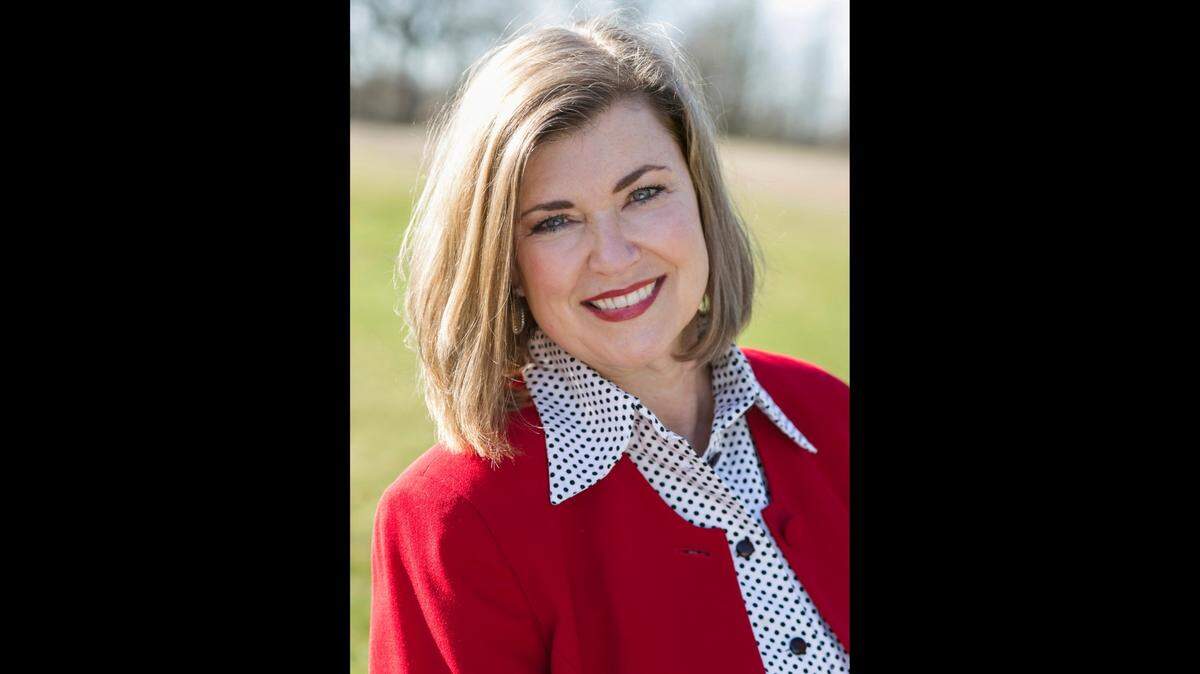
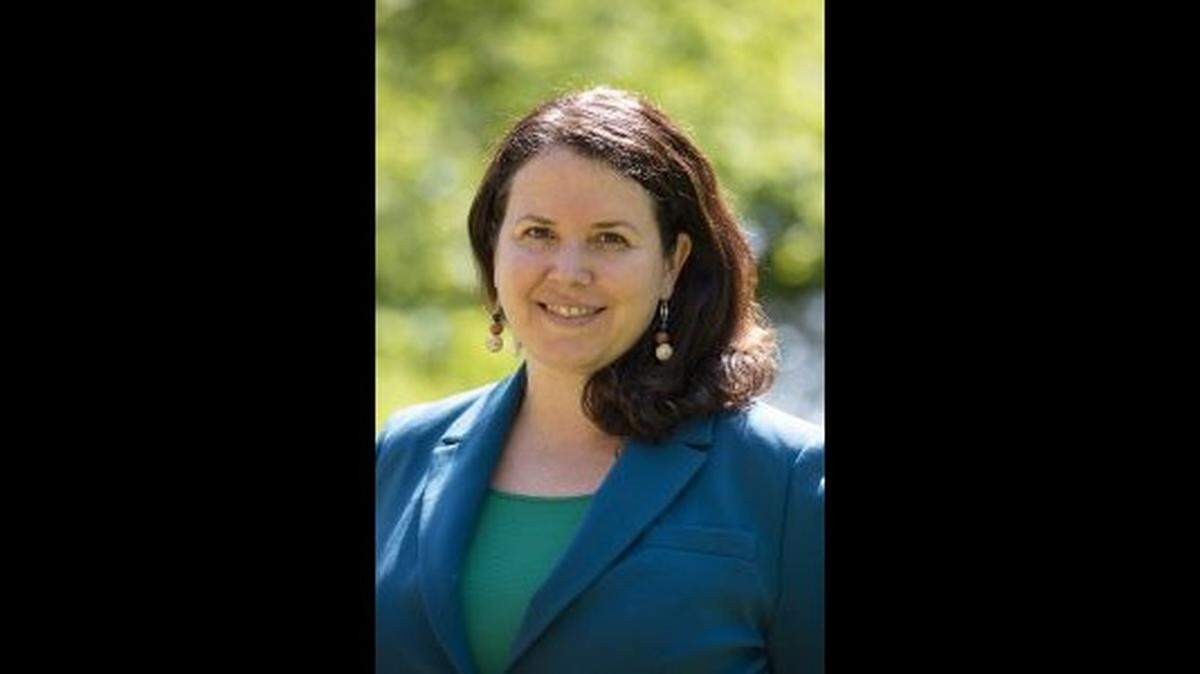
Republican Rep. Luanne Van Werven of Lynden is being challenged by Blaine Councilwoman Alicia Rule, a Democrat, for House Position 1.
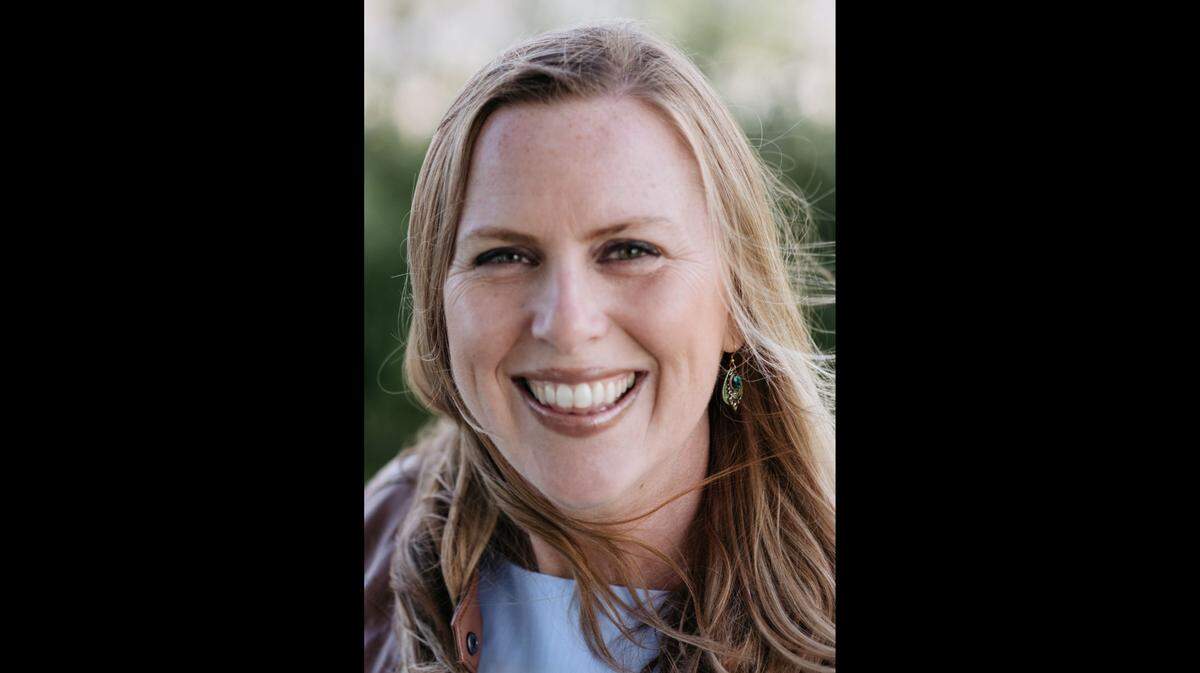
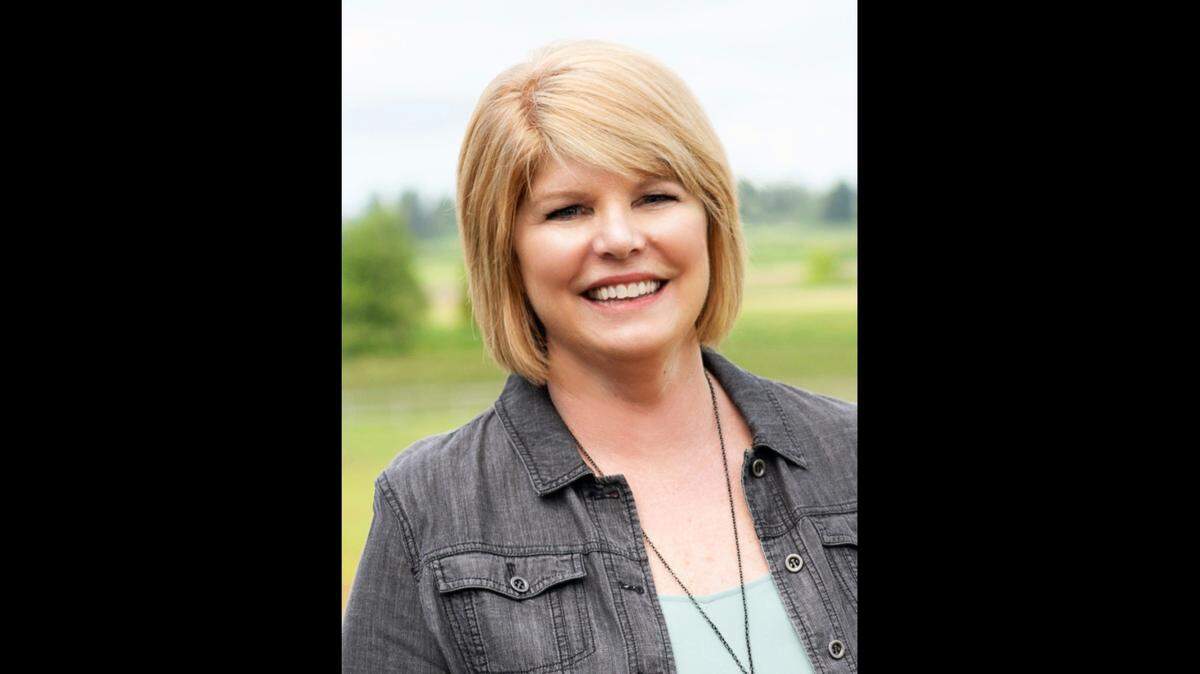
Democratic Rep. Sharon Shewmake of Bellingham is being challenged by Jennifer Sefzik of Custer, a Republican in her first run for public office, for House Position 2.
About the candidates
▪ Van Werven, who was elected to the House in 2014 and re-elected twice, worked with her husband as they built Ferndale Ready Mix & Gravel. She is fifth-generation Whatcom County resident, and attended Lynden schools and Bellevue College. Before running for the Legislature, Van Werven was vice-chair of the state Republican Party and chair of the Whatcom Republicans from 2009-2014.
She has raised $300,000 for her campaign through Oct. 22, according to the state Public Disclosure Commission. Her major contributors include about $50,00 from Republican Party sources and another $30,000 from business and trade groups including the petroleum, housing, communications and timber industries. She has more than $130,000 in individual contributions.
▪ Rule, a psychotherapist in private practice, is also a fifth-generation Whatcom County resident. She attended Meridian schools and has a master’s degree in social work from San Diego State University. She also has been a social worker and from 2017-2019 she was head of the Downtown Blaine Alliance, a business association.
She has raised $287,000 for her campaign through Oct. 22, according to the state Public Disclosure Commission. Her major contributors include more than $140,000 from Democratic Party sources and representatives of trade unions, Lummi Nation and the Nooksack Indian Tribe. She has $85,000 in individual contributions.
▪ Shewmake, an assistant professor of economics at Western Washington University, has a doctorate in agricultural and resource economics from the University of California at Davis and a bachelor’s degree in economics and environmental science and policy from Duke University. In addition to WWU, she also taught at the Vanderbilt University Law School. Shewmake unseated incumbent Republican Rep. Vincent Buys in 2018.
She has raised nearly $400,000 for her campaign through Oct. 22, according to the state Public Disclosure Commission, and about half that comes from Democratic Party sources. Her other major contributors include labor unions and Native American tribes across the state. She has more than $100,000 in individual contributions.
▪ Sefzik, who is state committeewoman for the Whatcom Republicans, has a bachelor’s degree in marketing from Texas A&M University. She spent 20 years in the marketing field and 10 years coaching high school speech and debate.
She has raised $334,000 for her campaign through Oct. 22, according to the state Public Disclosure Commission. Her major contributors include $170,000 from Republican Party sources and a little more than $20,000 from businesses including the petroleum and housing industries. She has more than $111,000 in individual contributions.
The Herald asked the candidates to discuss the legislative priorities and other issues facing the state over the next two years.
Legislative priorities
What are your top three legislative priorities for the next term?
Candidates for Position 1
Luanne Van Werven: 1. Address the budget crisis without taxing already-hurting families and small businesses. 2. Continue my work to bring broadband to rural and underserved areas. 3. Continue my work to make college and vocational training more accessible and affordable.
Alicia Rule: I am committed to working with Republicans and Democrats to get the economy moving by investing in our small businesses so they can grow and create jobs right here in Whatcom County. I will push to make sure small businesses, including restaurants, have the resources they need to safely stay open, like PPE for all employees and access to free COVID testing for everyone.
We also must do more to reduce the costs of prescription drugs and limit out-of-pocket costs on all insurance programs. Too many families are suffering from the devastating effects of the high costs for health insurance.
Another top priority for me will be to increase our investments for mental health support in our public schools and throughout our communities. Mental health providers are already underfunded in public schools, and they need will only be greater as we transition back to in-person learning.
Candidates for Position 2
Sharon Shewmake: 1. COVID-19 recovery including schools and childcare. 2. Criminal justice reform and racial equity. 3. Addressing climate change through smart and cost-effective policies that are already supported by a wide range of environmentalists and energy companies but will take political courage and economic expertise to get right.
Jennifer Sefzik: Strengthening our private job and business sector to get back to work; protecting our individual freedoms, which includes property rights, parental rights and our second amendment; supporting and fully funding our law enforcement agencies
Rebuilding the economy
How will you help the state rebuild its economy?
Candidates for Position 1
Luanne Van Werven: On May 29 I formally requested to the Governor that he call a special session so we could begin the difficult process of dealing with our budget crisis. By not holding a special session this summer we face deeper cuts in January. We must scrutinize every part of the budget, fund our priorities and make targeted reductions where there is waste.
Alicia Rule: As we rebuild in the face of the twin economic and public health crises, I will prioritize working families, local small businesses and rebuilding a strong middle class. I support a “Main Street” program to benefit small businesses with grants, low-interest loans, and other resources they need to bring back and grow jobs right here in Whatcom County and I will ensure all workers have access to protective equipment and are guaranteed freedom from retaliation for reporting workplace violations. I will prioritize free COVID testing for everyone so that we can safely reopen our economy.
Candidates for Position 2
Sharon Shewmake: Beating the virus is the most effective thing we can do. A shorter pandemic is better for the economy so please, mask up. I’m working with other legislators on a program with job creation stimulus, (addressing forest health to prevent wildfires, broadband, infrastructure, childcare and early learning) and a temporary reduction in the sales tax as a fiscal stimulus to encourage businesses and individuals to push large purchases forward in time to get our economy moving and boost consumer confidence. This could be paid for with a modest carbon fee, that we will assure does not fall on poor and working-class families by funding the Working Families Tax Rebate. The rest of the revenues can be bonded to allow us to address the economic crisis now.
Before COVID-19 hit, there was nothing fundamentally wrong with our economy, but without action the recession come turn worse. I want to see evidence-based action and I am the only member of the legislature with a PhD in economics.
Jennifer Sefzik: As a state legislature we need to support and assist our small businesses since they employ the majority of Washingtonians. I would start with bills to incentivize hiring and expansion and reduce their tax burden, not increase it. Next, restructure our regulatory system so there is an incentive to grow. Also consider reimbursement to businesses for the added cost of the COVID requirements to re-open safely. We need to balance safety with the economic impacts on our small businesses.
Addressing climate change
What are your legislative priorities to address climate change?
Candidates for Position 1
Luanne Van Werven: My voting record in Olympia reflects my commitment to effective stewardship of our environment. I hold to a human centered perspective where we incentivize private sector solutions to balance the environment and measure the full context of what meets the basic needs of humans - like heating homes and cooking food. Globally, we are spending trillions to mitigate the damage of climate change.
Alicia Rule: My children are the fifth generation of my family to live in Whatcom County and my grandparents, parents and larger community made sure I was raised to value and steward the land. It is very important to me that we preserve, protect this special place so that we can leave a legacy we can be proud of for our next generations. As the mother of three children, I have been very intentional about passing these values to them and ensuring they have access to nature so that they may learn to love and appreciate our role in it. I want to ensure that every child has that access and that opportunity.
I am a strong advocate for building an economy of the future. As we build our pathway out of the COVID-19 crisis, our state government will have to take an active role in supporting the rebuilding of the economy. I’d like to incentivize small businesses and manufacturing companies to build new, clean power sources, which will provide new family wage jobs.
Candidates for Position 2
Sharon Shewmake: We have to put a price on carbon. The reason we pollute too much is because it’s free to pollute. The challenge has always been how to ensure this does not fall on poor and working class families in Washington State and I’m committed to doing that with a dividend approach that is already on the book. It’s called the Working Families Tax Rebate and is a state match to the Earned Income Tax Credit, a federal policy with broad bi-partisan support.
Pricing carbon is one of the pillars of BP’s climate policy and the most cost-effective thing we can do to lower our carbon emissions.
Jennifer Sefzik: The recent fires have had a very negative impact on our climate and show that we may need a revaluation of forest management. Secondly, make sure we don’t stagnate energy innovation with economic restrictions on current energy players. The worse thing we can do is remove the competition that is driving clean energy forward.
Ensuring racial justice
What can the Legislature do to ensure racial and social justice for all people?
Candidates for Position 1
Luanne Van Werven: My voting record in Olympia reflects my commitment to effective policies to enhance racial and social justice for all. I support legislation that affirms the value and worth of all individuals.
Alicia Rule: We can no longer ignore systemic racism and the legislature, along with all other levels of government, need to look at our legislative and budget responsibilities through an inclusive lens that doesn’t discriminate and leaves no room for explicit or implicit racism or bias. At a time when we are seeing disproportionate hardship on low-income people and people of color, we must be vigilant that investments in services and programs supporting our most vulnerable are not cut. It is critical that we learn from the Great Recession and seek revenue sources, such as closing corporate tax loopholes, ensuring the wealthy elite pay their fair share in order to invest in wrap around services for vulnerable children and communities to ensure racial and social justice for all people.
Candidates for Position 2
Sharon Shewmake: The focus has been on policing, but racial and social justice is more than that. We do need to address policing, especially accountability. I wouldn’t want to work in a system where people who abuse their position are unaccountable, and from my conversations with police officers, many feel the same way. We have to work on this, and we have to work on this together.
We’re also asking police to do too much. Police are dealing with the symptoms of poverty when it is our job to break cycles of intergenerational poverty, and serve all our constituents. This isn’t just the moral thing to do, it’s also good economics. Incarceration is expensive. Oppression is expensive. We are missing out on some of the best scientists, engineers, business leaders, welders, nurses, and every other field because of dumb ideas about skin color. Crippling poverty is a waste of our most valuable resource, not gold or land, but the talents and dreams of our people. Let’s figure out how to invest in people.
Jennifer Sefzik: I affirm the value and dignity of all individuals regardless of status or station. Therefore, I would only support legislation and policy that is administered equally and justly.
Education funding
What are your priorities for K-12 and higher education funding?
Candidates for Position 1
Luanne Van Werven: K-12: Restore equity in education for special needs students who did not receive services during the COVID crisis; get students back to the classroom safely; focus on effective and proven methods to improve literacy and numeracy for K-3; preserve education investments and reforms; provide education options for parents. Higher Ed: Enhance career connected learning opportunities; continue my work for affordable text book options; continue my work to make college and vocational training more accessible and affordable; freeze or reduce college tuition.
Alicia Rule: I want to protect K-12 education from budget cuts caused by lower tax revenues due to the pandemic. With the shutdown and remote learning, our students are falling behind. A priority of mine is to aggressively address the missed education so our students don’t have an opportunity gap. For higher education, too many middle class families don’t have access to higher education because of the high cost of tuition, and, students who don’t want to go to college need access to apprenticeships and trade programs. The state can play an important role in targeting financial assistance and opening more seats to these critical programs to give children from low income and working class families a fair shot at higher education. Companies both big and small are hiring students from out of state - our own local kids need access to these opportunities as well.
Candidates for Position 2
Sharon Shewmake: We spend less than 5% of our budget on the first 5 years of a child’s life and those are some of the most critical for brain development. For every $1 invested in high quality preschool, we see about $7-9 worth of benefits. Early learning benefits the kids, the parents, and the taxpayer before there are lower special ed costs over K-12. We all see kids who attend high quality preschool are less likely to be involved in the criminal justice system later in life. Incarceration is so expensive that even a small decrease can save a lot of money. It’s a financial win, but there is also a strong moral argument to be made in giving each and every kid the best start no matter how much money their parents make.
For K-12, we need to ensure that every kid has a world-class education. Higher ed needs to ensure we remove barriers not just in 4 year institutions but also in our community, technical and apprenticeship programs that truly change lives.
Jennifer Sefzik: Employers indicate that the workforce often do not have adequate verbal, written and math skills. Without these basic building blocks of education it becomes difficult to find the path to success. I’d like to see us refocus on these basics.
Additionally: Get students back to the classroom safely and don’t overlook special needs students. Offer parents more options and flexibility to educate their children. Secure greater access to broadband in rural and tribal areas.
Mental health needs
How will you prioritize funding to assist communities meet mental health needs?
Candidates for Position 1
Luanne Van Werven: My voting record reflects my commitment to meeting the mental health needs in our communities. In the 2019-20 budget we allocated $22 million for our 5-county region to provide for mental health services and housing support. In the 2020 supplemental budget we directed another $27 million for mental and behavior health with $20 million going toward children’s mental health services. Moving forward, I will prioritize the needs of our most vulnerable and protect the funds for access to mental health support services. I support a community-based approach where we can keep vulnerable individuals closer to family and local services.
Alicia Rule: As a mental health professional, I see firsthand critical need for a better mental health system in Whatcom County and the state. It is difficult for everyone to access outpatient care, but especially for those on state insurance. Before COVID, children were reporting alarmingly high rates of depression, anxiety and suicidality. We don’t know the extent, we know that the mental health toll of COVID is significant and only overburdened our inadequate mental health system. Before COVID, there was resounding agreement amongst first responders, hospital staff and educators that unaddressed and improperly treated mental health issues overwhelm their jobs. Not only is that an unacceptable response to people suffering, but it’s the most expensive and least effective way to respond to mental health issues. There is no excuse to continue what is not working for providers, clients or taxpayers. Washington’s behavioral health has been underfunded for too long and it’s not without consequence.
Candidates for Position 2
Sharon Shewmake: Fundamentally we need to change how we fund mental health because often we ignore problems until it’s too late and is much more expensive. Prevention would be cheaper and kinder. Before we build the crisis triage facility in the Irongate neighborhood, police had two options if they encountered someone in a mental breakdown: the ER or jail. Both are expensive and neither are what the individual needs. But the reimbursement system for Medicaid doesn’t allow for a preventative investment so I had to secure temporary funds for operating the facility through the legislature. We will be working on those reimbursement formulate to ensure we are being smarter (and kinder!) with our mental health dollars.
We also need to continue to build the pipeline of mental health professionals by training more, ensuring our certification systems are not unnecessarily burdensome, and ensuring our reimbursement rates for telehealth are competitive. Broadband will also be essential to ensuring access.
Jennifer Sefzik: This is a very important issue and there are significant resources directed to mental health including $20 million going toward children’s mental health services. I would support continued or increased funding for mental health services and housing support. I would like to see community partners involved with the rehabilitation aspect.