
Lummi Nation files petition in B.C. Supreme Court over environmental assessments
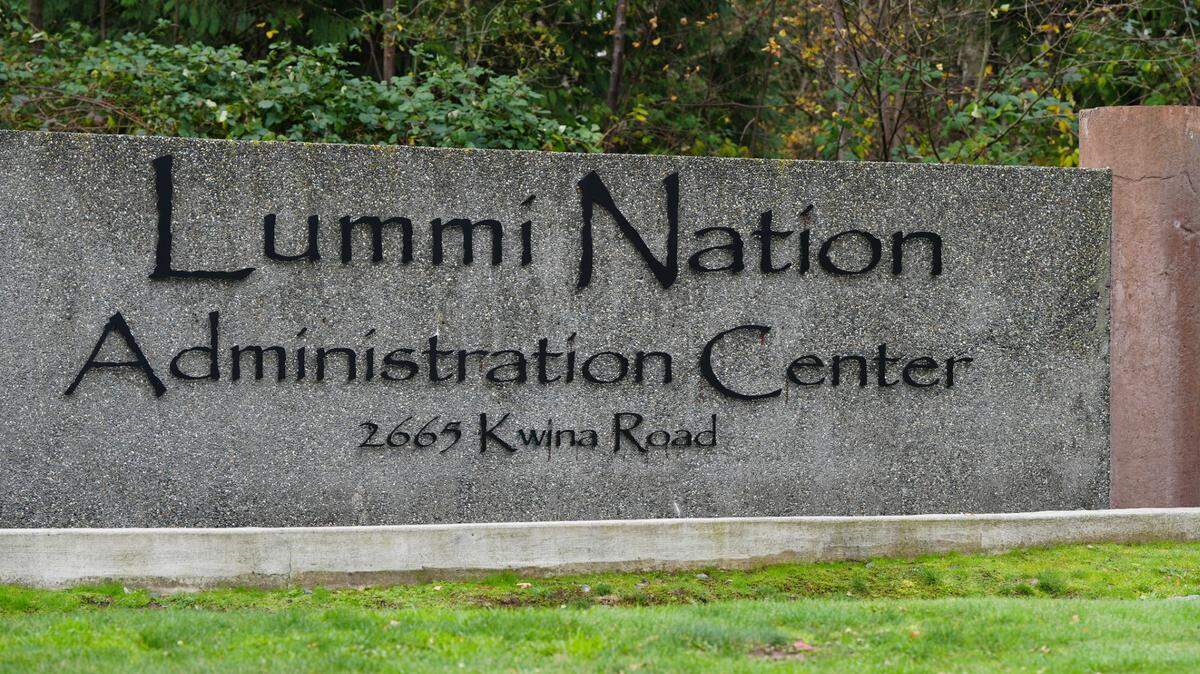
Lummi Nation has filed a petition in the Supreme Court of British Columbia to be consulted as a participating Indigenous nation (PIN) on environmental projects in the province.
The petition states that British Columbia has a “duty of deep consultation” with Lummi Nation on projects that affect their traditional territory, which includes parts of B.C. This would give the tribe a “seat at the table” on issues affecting those lands, said Cascadia Legal LLP founder and partner John Gailus.
Gailus filed the petition for Lummi Nation on Sept. 29. He explained that as it stands, Lummi Nation is only notified by the Environmental Assessment Office on projects and has the opportunity to provide comments. However, the office states that it does not have the same legal requirement to engage with U.S.-based tribes as it does B.C. First Nations.
PINs have increased rights to consultation in projects under British Columbia’s Environmental Assessment Act, including the ability to access dispute resolutions, lead the effects assessment to the Nation and engage in consensus-seeking processes.
If U.S.-based tribes want to be consulted in that same way, they must prove that they have substantive and procedural rights in B.C. — evidence that Gailus said Lummi Nation has provided.
“We were always there,” said Lummi Indian Business Council Member Dana Wilson. “Just because you throw a line on top of a people, it doesn’t change who they are.”
The petition alleges that B.C. was aware of Lummi Nation’s request for consultation on projects that might “adversely affect their Aboriginal rights in British Columbia” as early as 2014.
Wilson said he is particularly concerned about projects affecting salmon and the environment in general. The petition specifically mentions seven projects from which Lummi Nation is excluded from being a PIN, including the building of a new tunnel under Fraser River and the development of a marine jetty.
In a December 2024 letter to the vice chairman of Lummi Indian Business Council, B.C. Chief Executive Assessment Officer and Associate Deputy Minister Alex MacLennan wrote that he disagreed with allegations that B.C. hasn’t “meaningfully engaged” with Lummi Nation.
MacLennan said in the letter that the Environmental Assessment Office has been consulting with Lummi Nation on projects by “providing information, being responsive to the information and views that Lummi has shared, being available to discuss the issues Lummi has raised, and making changes to processes or documents as appropriate.”
The Environmental Assessment Office said that it could not provide a comment on the petition filed in the Supreme Court, as it is unable to speak on matters before the courts.
Gailus said he expects a hearing to be scheduled in the coming months. If the judge does not rule in their favor, Lummi Nation can appeal the decision or challenge specific project approvals depending on the judge’s decision.
“We wouldn’t have brought this if we didn’t feel confident that we had a good case,” Gailus said.
This story was originally published October 23, 2025 at 5:15 AM.