Brace yourself: Bellingham water, sewer customers can expect higher bills
AI-generated summary reviewed by our newsroom.
- Bellingham water, sewer bills will rise 13% annually in 2025 and 2026.
- City plans $765 million in pipe and plant repairs over the next 20 years.
- Council expands bill-discount program for households below median income.
Faced with new environmental rules and expensive repairs to its network of underground pipes and pumping stations, Bellingham City Council members unanimously passed a series of measures Monday that will sharply increase the cost of water, sewer and stormwater citywide.
Also Monday, council members voted to expand a program aimed at helping lower-income residents pay those higher bills.
“A lot of our infrastructure is very aged. Some of our water pipes are over 100 years old. Basically the bill is due,” Council member Lisa Anderson said during discussion on the measure Monday.
Bellingham’s water intake at Lake Whatcom is a 6-foot diameter wooden pipe that was installed in 1939-1940. A January 1941 Bellingham Herald article described its installation, Public Works Department spokesman Connor Harron told The Herald in an email.
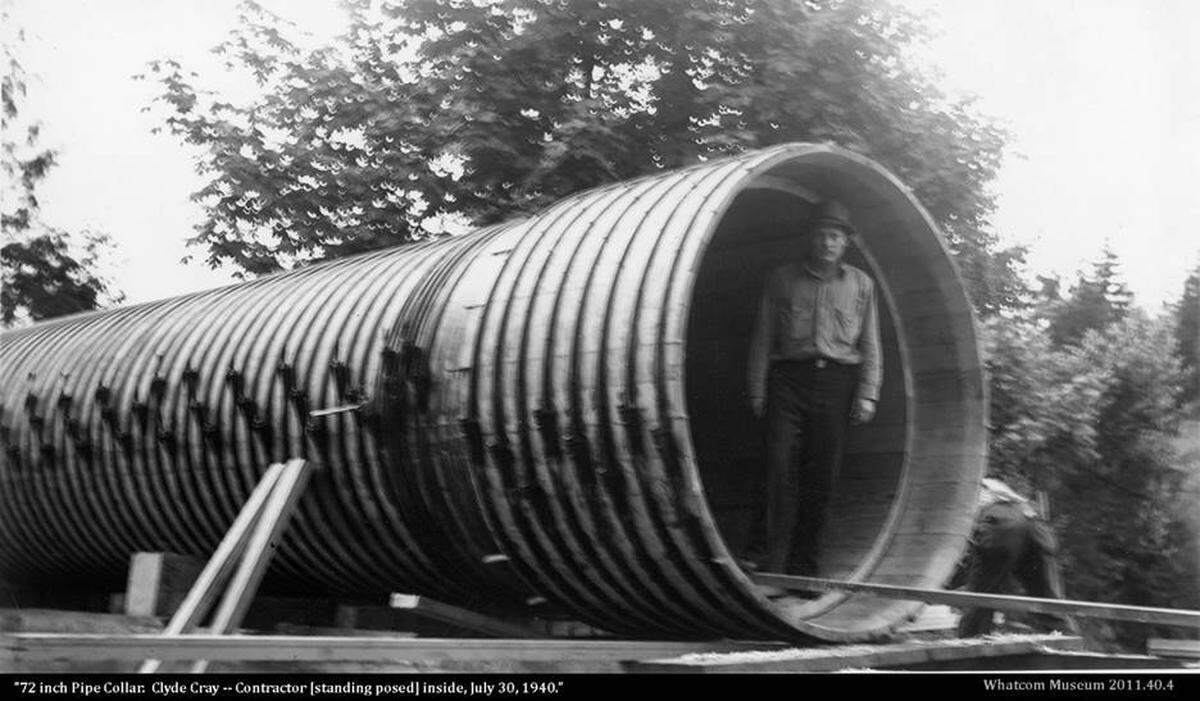
“The pipe is constructed of wood staves, similar to a wooden barrel,” Harron said. “The staves are made of Western red cedar and are held together by carbon steel rods, commonly referred to as pipe bands, which are installed every 6 inches along the full length of the pipe. Additionally, it’s worth noting that a 2024 inspection found the wood staves on the intake pipe to be in good condition, with many years of useful life remaining. We’re planning to replace the original steel bands with new stainless-steel rods on the submerged portion. This dive operation won’t affect the water supply or utility operations and is anticipated for completion in 2026-2027, pending design and permitting.”
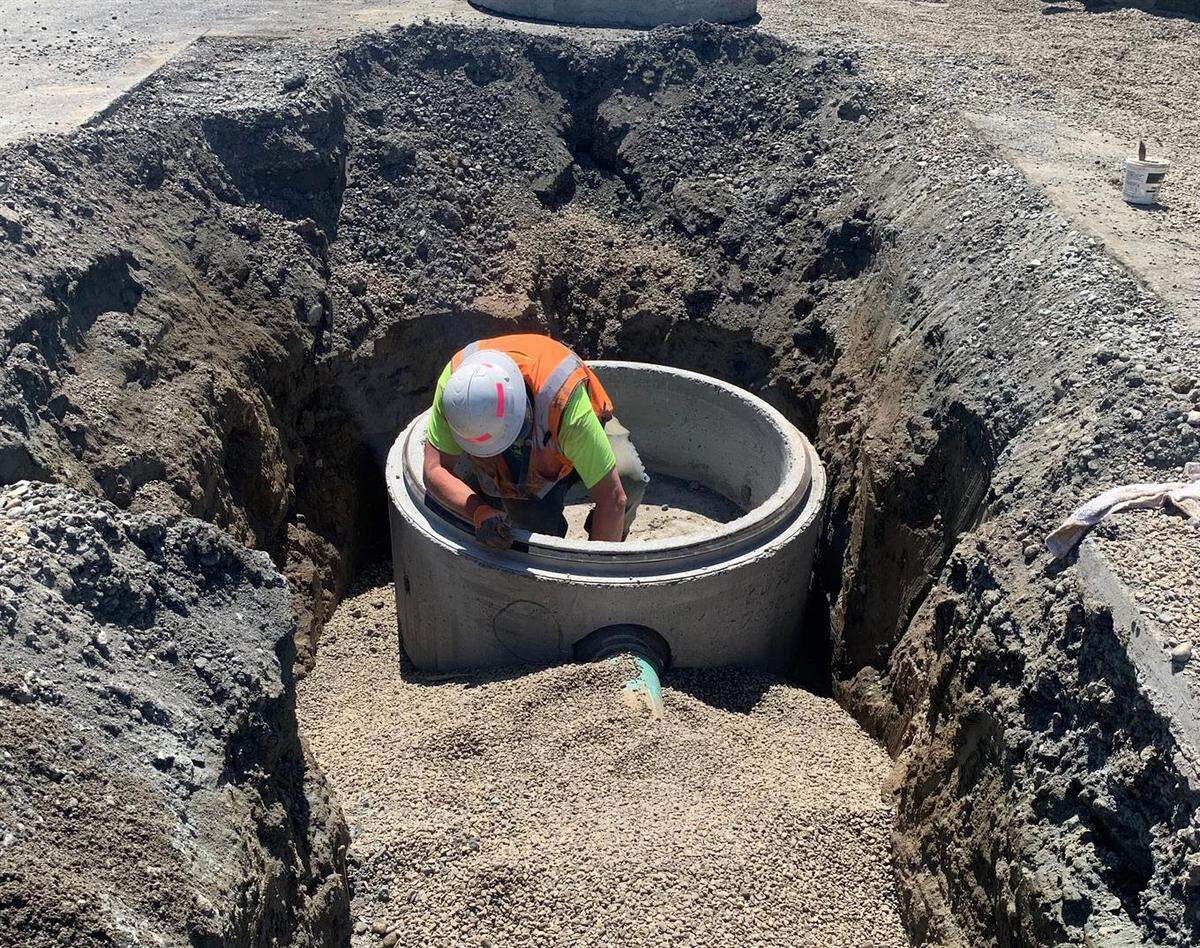
Such repairs are expensive, with an estimated cost of more than $765 million over 20 years, according to documents included with Monday’s City Council agenda. In addition, changes are required at the city’s sewage treatment plant to reduce the amount of nitrogen that’s discharged into Bellingham Bay in treated wastewater.
Residents will be paying about 13% more per month on their combined utility bills for the next two years, followed by rate hikes of about 10% in 2028 and 2029, then annual price increases of a little less than 6% in each of the five years after that. New rates start Jan. 1, 2026.
That means that an average residential water bill will rise from the current $135 a month to $152 a month in 2026, $286 in 2035 and $417 month in 2045, according to Carollo Engineers, a Seattle firm that was hired to examine the city’s water system needs for the next 20 years. Such a plan is required by state law every 10 years.
Councilman Micheal Lilliquist said he struggled with the hefty price increases and how it affects the cost of living for Bellingham residents.
“It’s difficult for me in that I think I don’t have a choice in that I need to be responsible,” Lilliquist said. “We cannot let our infrastructure get behind. We cannot be one of those communities that has these incredible burdens of unmaintained infrastructure. We’ve got to do this. But I want to acknowledge that this really is difficult for me because it directly hits affordability for many households.”
Discounts of 25%, 50% and 75% are being proposed based on family size and income for those earning less than 80% of the area median income. For a family of four, that’s $86,700, according to the Opportunity Council.
This story was originally published July 11, 2025 at 5:00 AM.