Bellingham residents’ future uncertain as city hits pause on bridge replacement project
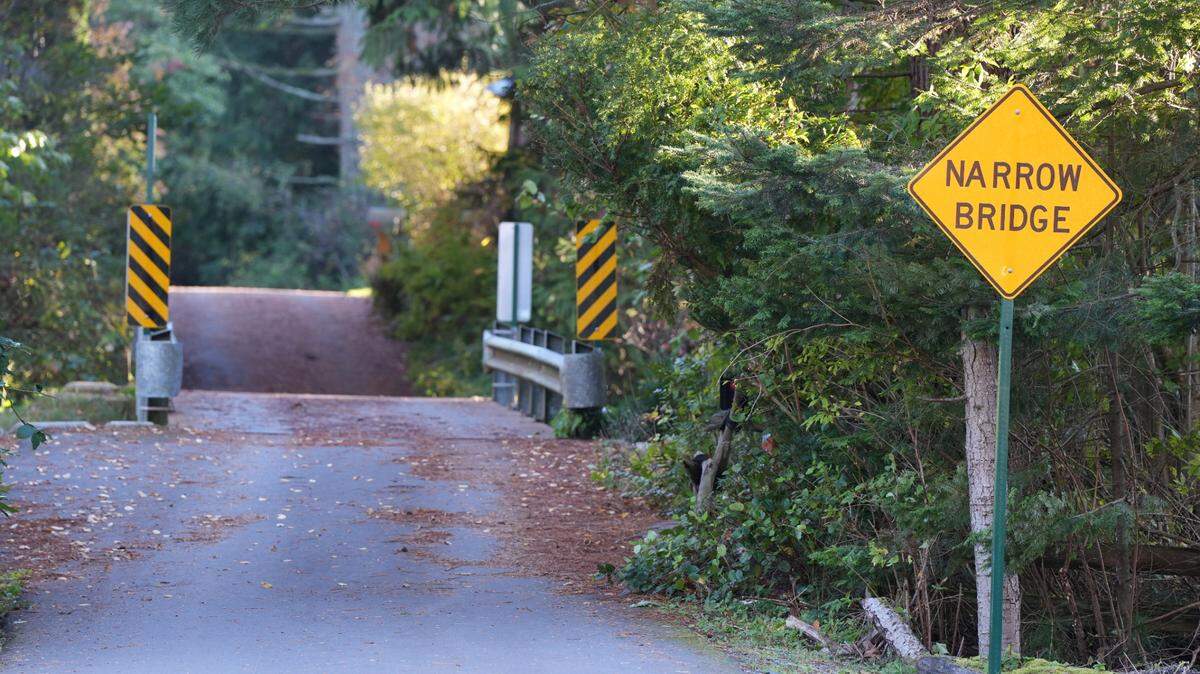
Four families in the close-knit community of Chuckanut Village in Bellingham’s South neighborhood got at least a temporary reprieve this week as city officials opted to delay a plan to not replace a bridge over Chuckanut Creek that provides the only access to their homes.
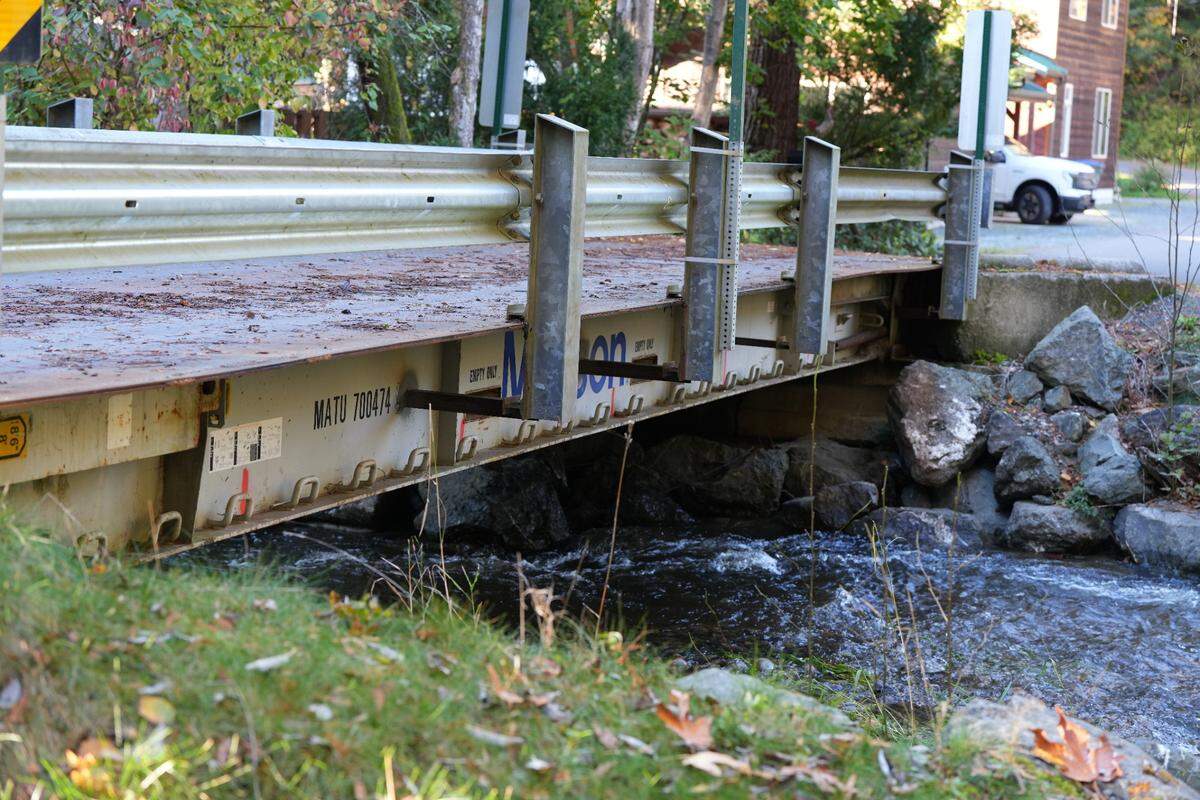
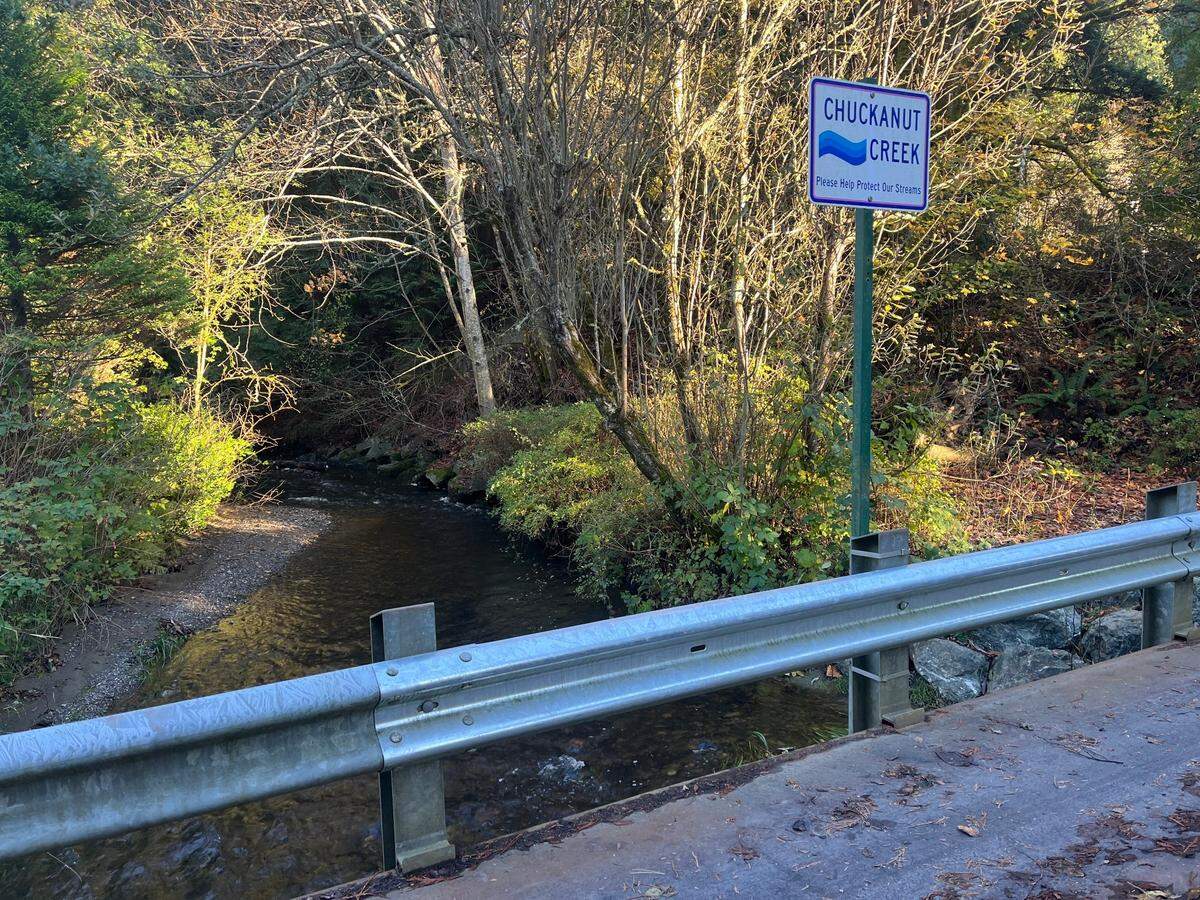
Their bridge on 19th Street south of Rainier Avenue was washed out during a storm in November 2021, when Bellingham received more than 5 inches of rain, and flooding caused more than $200 million in damages across Whatcom County. The bridge was replaced in December 2021 with a one-lane temporary bridge that cost $150,000.
Since then, Public Works Department staff members have been looking for a permanent solution that “will consider environmental impact, long-term costs and resident access,” according to the city’s website.
The affected residents say they were told just a few weeks ago that a recommended solution — which would have be presented to the City Council on Nov. 4 — involved not replacing the bridge and instead selling the impacted properties to the city to be converted into conservation land.
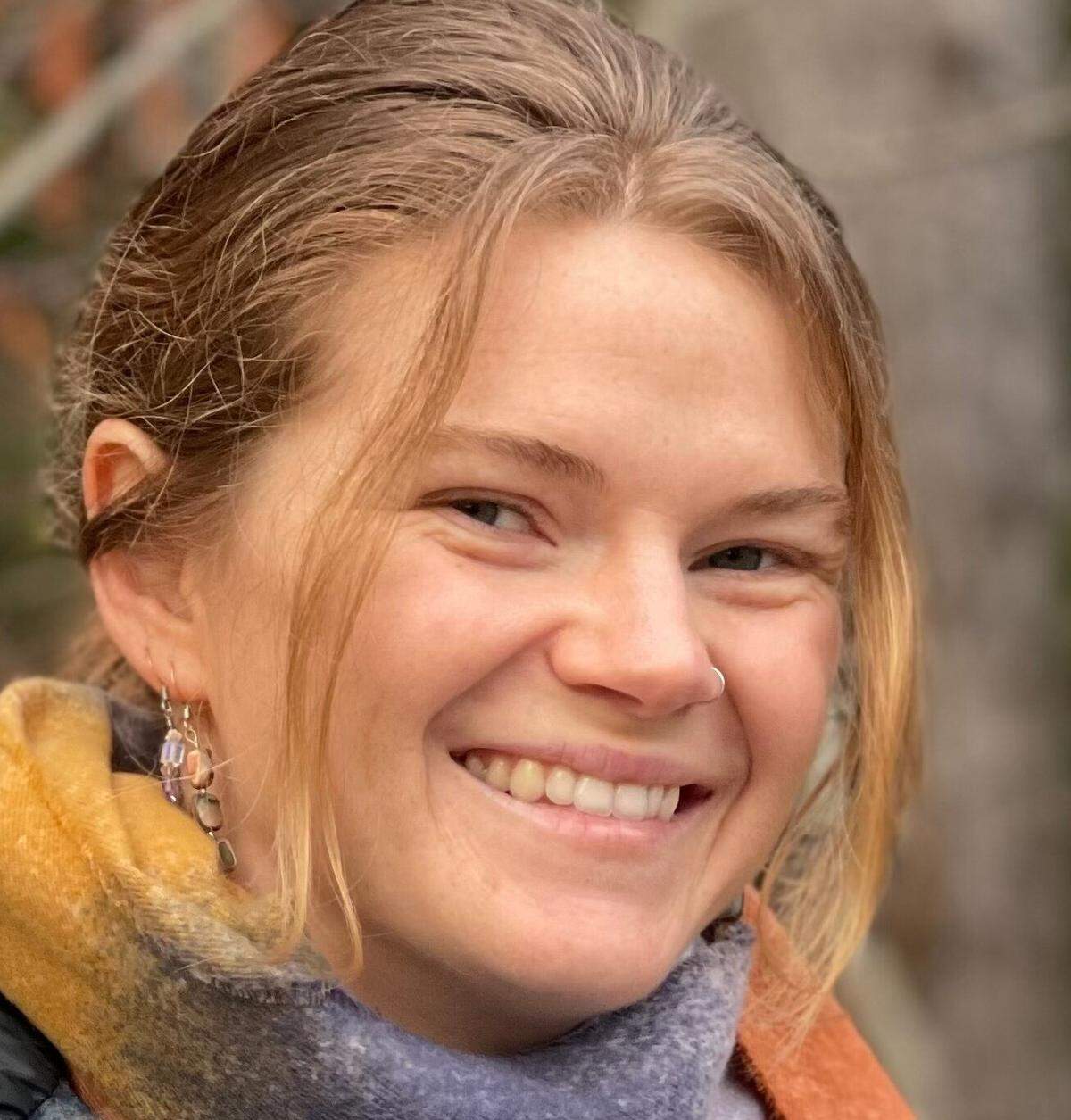
“If this bridge isn’t here, we have to sell our property to the city and move. We’re hamstrung,” said Rebecca Bunn, one of the impacted homeowners, in an interview with The Herald.
Community opposition
Bunn launched an online petition to convince the City Council to reject the now-delayed Public Works recommendation and ask city staff to re-evaluate possible options.
“We strongly oppose the Public Works Department’s recommendation to not replace the bridge — a proposal that is more expensive than the alternatives, displaces families, and reduces the housing supply in the city,” the petition states. “We urge the City Council to direct Public Works to replace the bridge, as there are viable alternatives that align with conservation goals while preserving an important part of our historic neighborhood.”
The city’s decision to delay any decision-making related to the bridge came days after the petition gained public traction.
“Following thoughtful discussions with property owners, we have decided to slow down the timeline for the Rainier Avenue bridge replacement project to allow time for additional analysis. No immediate actions are planned or being proposed at this time,” Public Works spokeswoman Riley Grant told The Herald in an email.
While impacted residents say they appreciate that the city is no longer making any immediate decisions, they say more certainty is needed for them to move forward.
“The city’s response was surprising, and a little bit of the burden has been lifted,” said Chuckanut Village resident Frank Milward told The Herald. “But what they didn’t do was make a decision to do the right thing.”
“It’s good news but we’re not going to let our guard down,” lifelong Chuckanut Village resident Cheryl Milward said “It’s not the community’s long-term goal to let the city buy our neighbors’ properties.”
“I am concerned that they have not yet committed to a bridge replacement,” Bunn said. “We have been living with considerable uncertainty about the security of our homes for the past three years, and slowing down the project does not alleviate that anxiety. In addition to the difficulty of living with this uncertainty is the very real consequences for making decisions about home improvements and maintenance.”
Bunn has lived in her home with her husband for almost 20 years. It’s where they have raised their three children. Her family is one of many who have lived in the neighborhood for decades.
“I feel pretty emotional about it,” Bunn said. “Two of our neighbors are senior citizens living on fixed incomes. One of them lives in a house that she literally built herself with her husband as a log cabin. She’s 80, and she’s so stressed about this uncertainty. These people have contributed to the community their whole lives and for the city to turn around now — it puts them in such a vulnerable position.”
Bunn said the intergenerational families in Chuckanut Village are unique and have deep roots in Bellingham. She said asking them to move would pull the community apart.
“My other neighbor is in a wheelchair and has lived in the house that his father was born in and died in, that his grandfather built. It just feels so wrong on that community level. We should be taking care of these people, helping them live out their years, and not feel the insecurity that their home is going to be lost. They don’t know where they’ll go,” Bunn said.
“I don’t know that the city understands how loved this little historical neighborhood is,” Cheryl Milward told The Herald. “It’s not fancy. It’s down to earth. It’s a safe place to take your kids, to kayak, to watch the birds. It’s magical.”
Climate change impacts
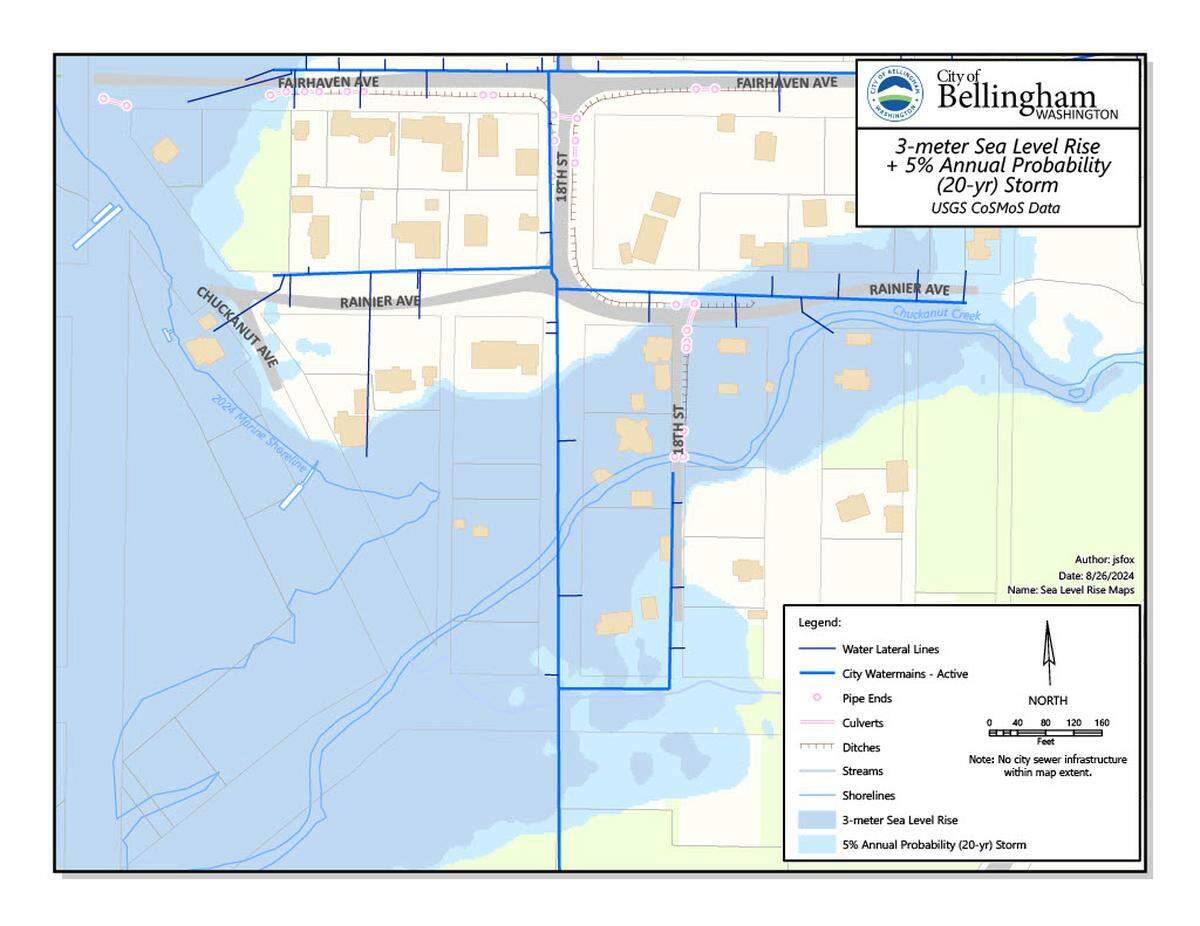
Sea-level rise and flooding related to climate change are key factors under consideration as city officials evaluate the future of the bridge and Chuckanut Village, according to Grant with Public Works.
Projection maps show water from Mud Bay, an inlet off Bellingham Bay, encroaching into Chuckanut Village along the Chuckanut Creek drainage.
“While the initial feasibility study presented several options, including the option to not replace the bridge, we would like to complete further studies to determine the solution that best balances the needs of our whole community, impacted residents, flooding and sea level rise, fish passage and long-term resilience,” Grant said.
Grant said the city will work with state and federal agencies to address “the challenges posed by the bridge’s condition and the changing environment.” A City Council presentation is expected in the first half of 2025.
“We understand the importance of this bridge for access to certain properties, and our assessment will carefully consider these needs,” Grant said.
Grant said city officials told residents that the preferred solution was to leave the temporary bridge in place and not replace it if it were to fail again. At that time, the city would offer to buy the affected properties at fair market value.
“Given the expected increase in flooding in the area, this option helps protect you from future risks associated with continued bridge replacements. The city sees value in purchasing properties in this area, recognizing the potential benefits for habitat and the environment, which can support community goals,” Grant said.
Bunn is a professor of environmental sciences at Western Washington University, and her husband is a climate change scientist. They both say they feel passionately about science guiding policy and planning, but that the Public Works recommendation does not align with the latest available information.
Bunn told The Herald that building a bridge to modern standards is not incompatible with supporting salmon habitat. She also said even the most extreme sea level rise estimates are not likely to impact their homes in the next 100 years.
“We appreciate the city’s efforts to think forward about climate change, which is a real problem,” Bunn said. “But this feels like they’re misunderstanding or misapplying the idea of sea level rise in such an extreme case. They’re making decisions and using resources irresponsibly for something that is really unlikely on a very long time frame and has very immediate and difficult consequences for its residents right now.”
Bunn said the decision the city makes about this bridge and its impact on residents has broader implications for all of Bellingham’s residents. She believes it could set a precedent for future infrastructure decisions.
“Whether you’re at the end of a sewer line, at the end of a road, or if you’re unfortunately living across a bridge like we are, you want to know the city is going to maintain the services you had when you bought the house. It’s what you expect,” Bunn said.
This story was originally published October 25, 2024 at 5:00 AM.