Yellow creature — with skin-covered eyes — found in Brazil river. See the new species
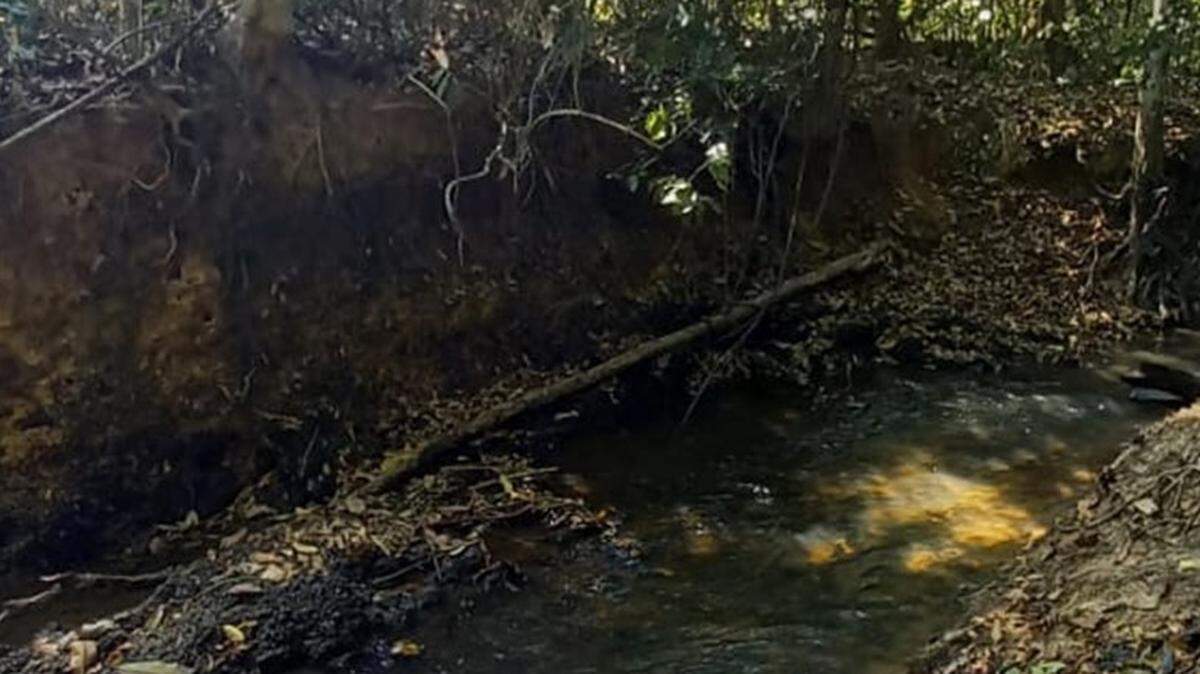
While exploring the clear waters of a river basin in Brazil, researchers noticed a small creature blending in with the rocky bottom — and discovered a new species of catfish.
Identified as Rhyacoglanis beninei, the fish is a new species of Pseudopimelodidae, researchers said in a study published Aug. 21. Pseudopimelodidae are a neotropical catfish characterized by their wide mouth, small eyes and short barbels, which are similar to whiskers.
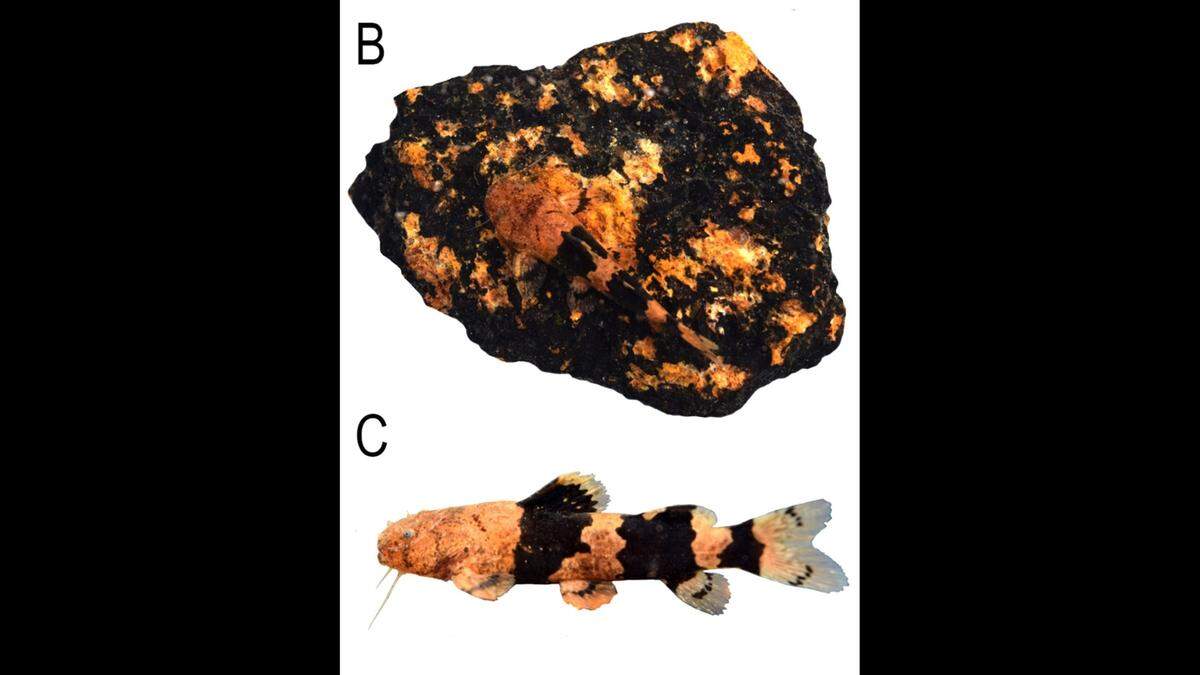
Rhyacoglanis are a type of Pseudopimelodidae found in rapids and fast-moving waters with rocky bottoms across Venezuela, Ecuador, Bolivia and Brazil, scientists said. They are distinguished by a light spot on their cheek, uniquely patterned skin and their number of vertebrae.
Rhyacoglanis beninei is the ninth species discovered, according to the study. The fish was found in the Jamanxim River basin.
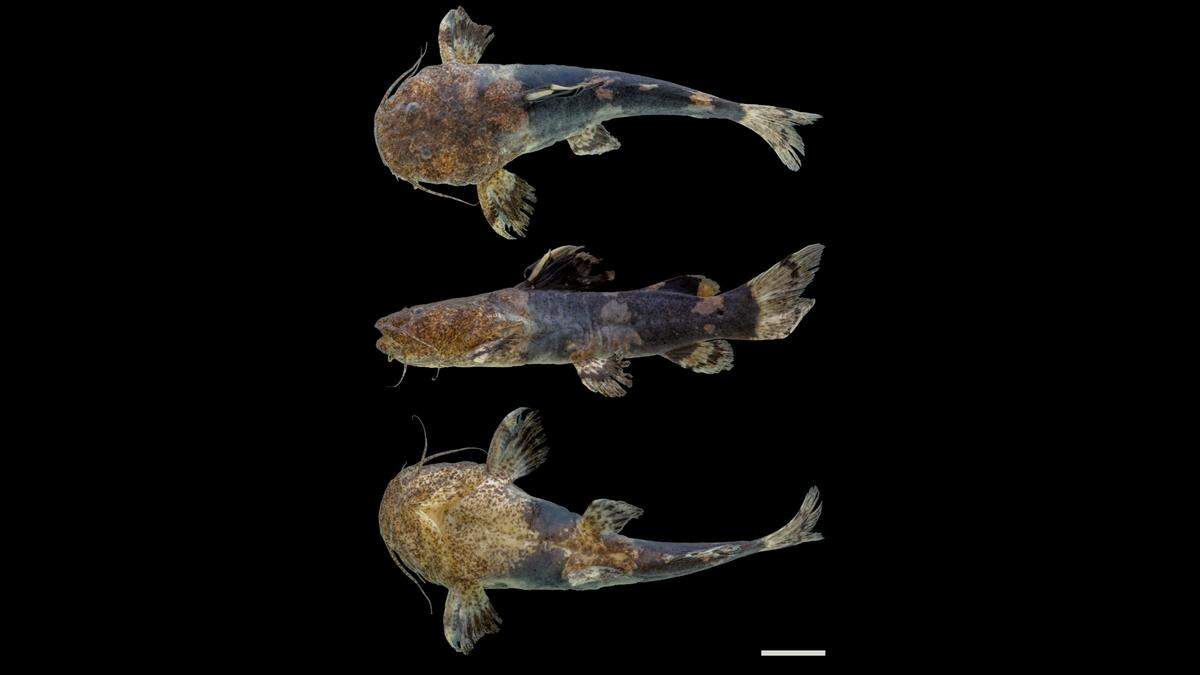
The fish have yellowish-brown skin marked by thick, dark bands, photos show. They’re about 1.4 inches long on average, but the longest specimen collected was 2.3 inches, according to the study.
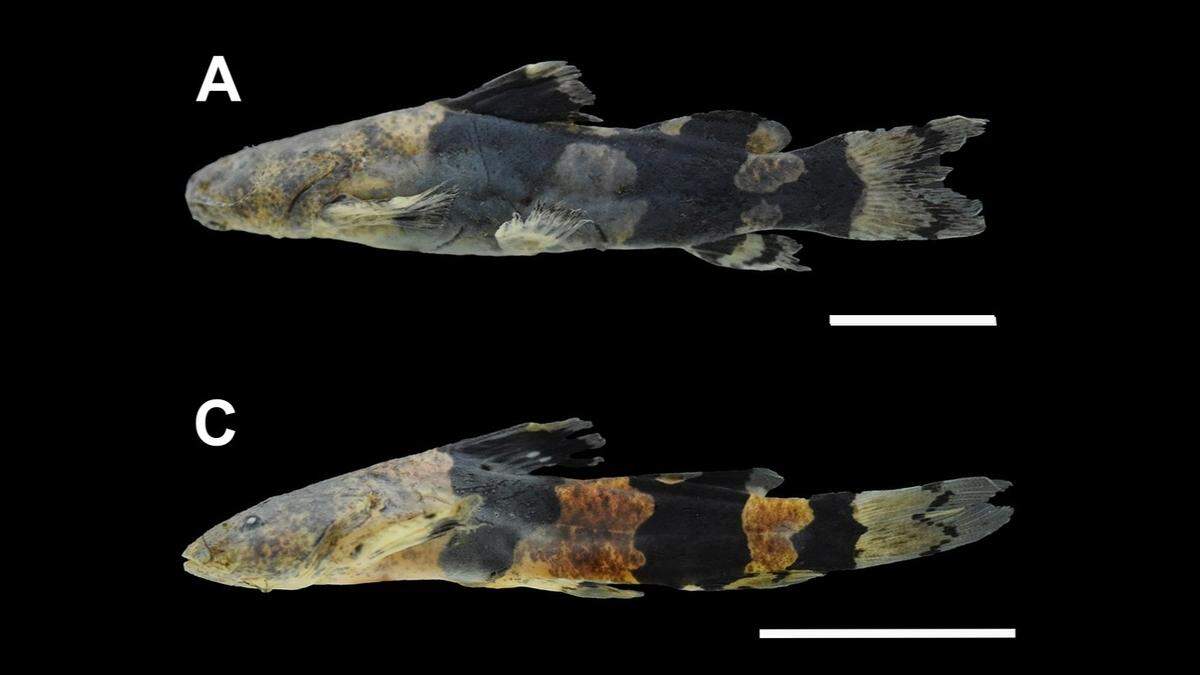
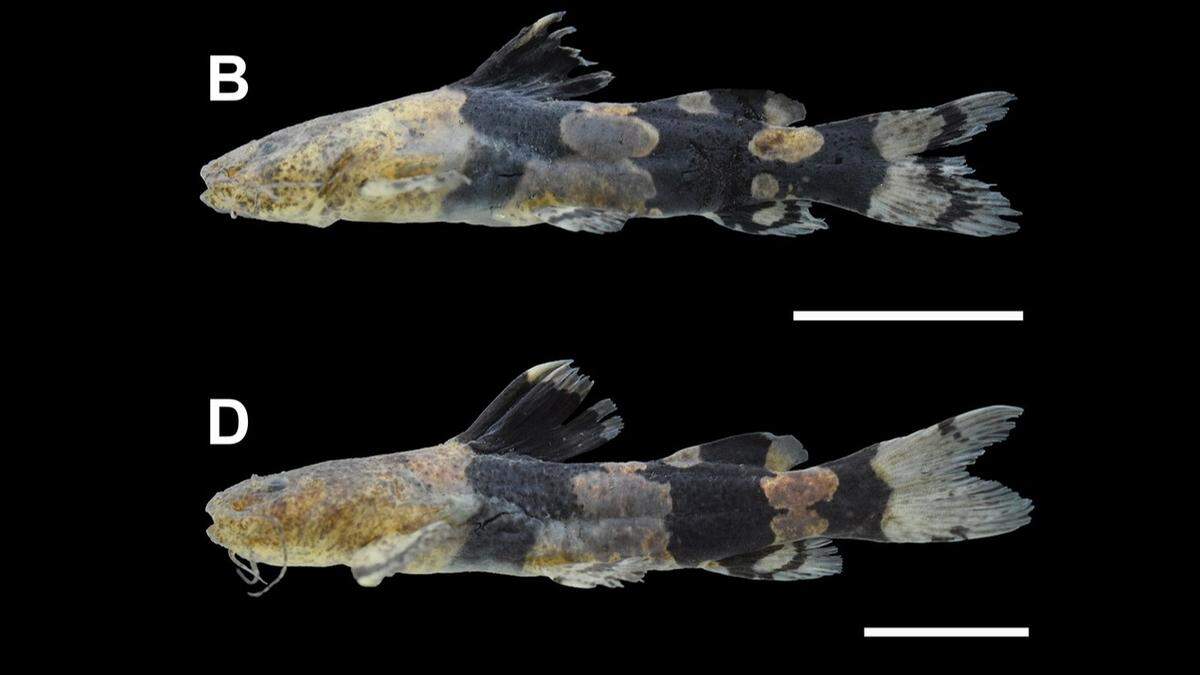
Scientists said the bands are spread across the creature’s body, but in larger catfish and adults the bands can be connected by a dark stripe. In small individuals, the bands are separated by yellowish regions.
The catfish has hyaline fins, which means they appear glassy and translucent, researchers said. Some of its fins are marked with thinner, dark stripes.
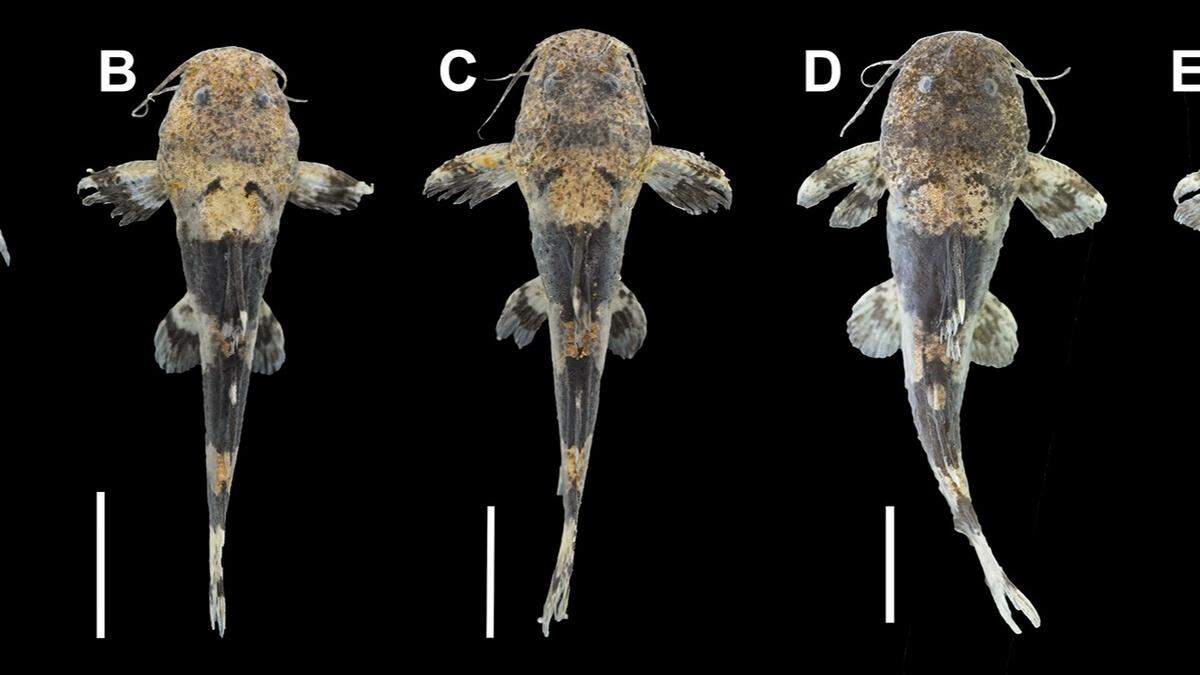
Its head is a light gray color and has a “rounded trapezoidal” shape, according to the study. The fish has a wide mouth and its small eyes are covered by skin.
Researchers said they named the creature after Ricardo Cardoso Benine, a professor at Universidade Estadual Paulista “Júlio de Mesquita Filho,” in honor of his contributions to knowledge of neotropical freshwater fish.
The Jamanxim River basin is in northwest Brazil in the state of Pará.
This story was originally published August 23, 2023 at 11:36 AM with the headline "Yellow creature — with skin-covered eyes — found in Brazil river. See the new species."