Boaters ‘in awe’ as huge creature puts on ‘majestic display’ in Ireland, photos show
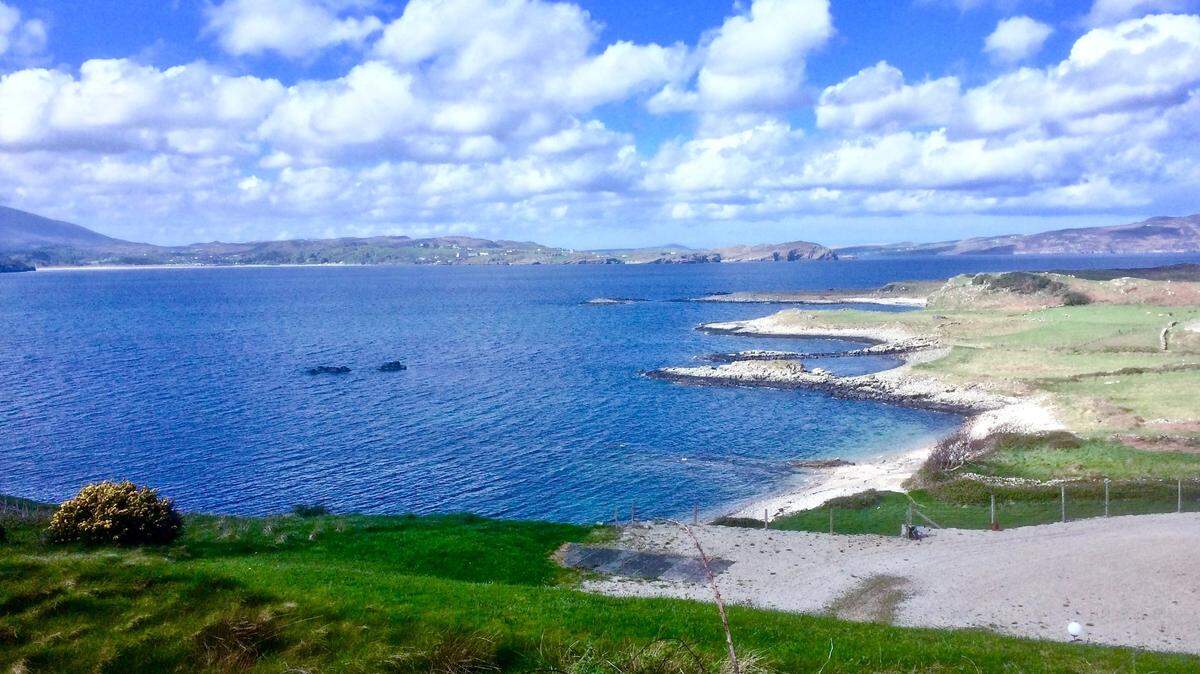
Darren Craig has been researching whales for years.
The marine biologist and member of the Irish Whale and Dolphin Group (IWDG) has traveled the world searching for humpback whales, he told McClatchy News. Lately, he’s been spending his time in Ireland, exploring Donegal Bay with other members of IWDG.
In June, Craig was in the bay with several other researchers when the group spotted a single humpback. The whale was identified as HBIRL124 — a male humpback who has been documented by IWDG in the bay annually since August 2013.
A few weeks later, on July 16, the group headed out into the bay in hopes of spotting HBIRL24 again, Craig said. After a quiet start to the trip, Craig said he finally spotted some blows — columns of moist air from a whale’s blowhole that are expelled as the whale surfaces to breath — in the distance.
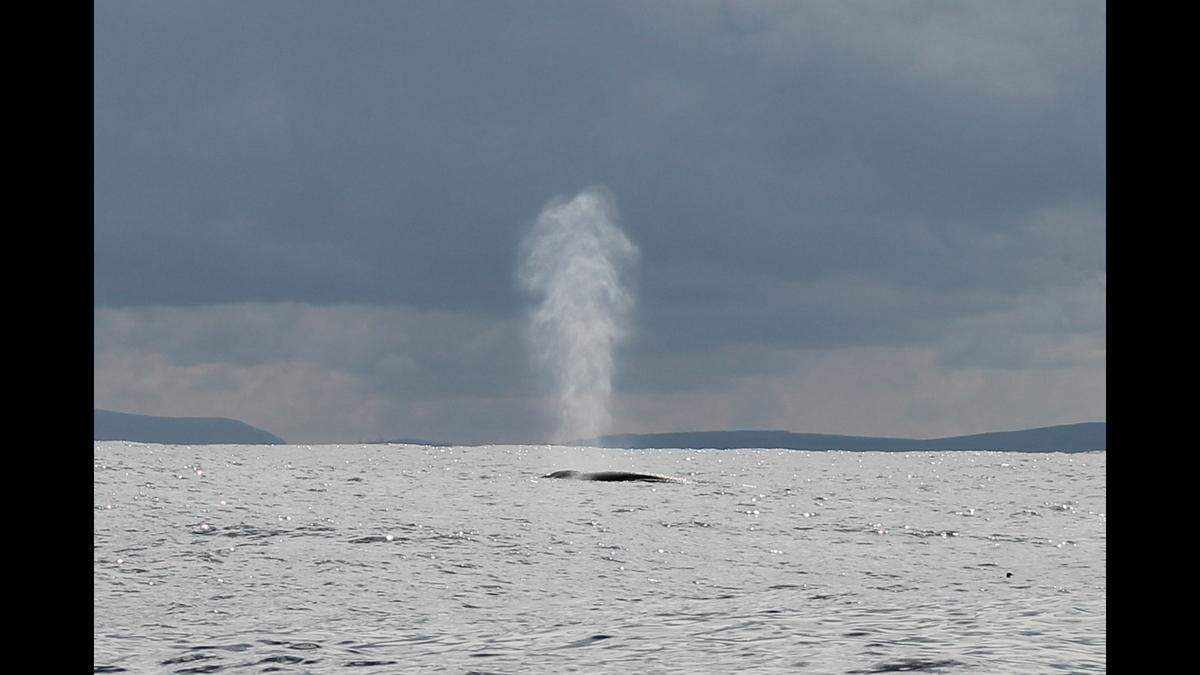
The boaters expected to find HBIRL24 as they approached the activity, but instead they got something much more exciting: Fiive whales were in the bay, including four humpbacks and a fin whale.
“To our surprise one of the whales was a fin whale, the second-largest animal to ever exist on earth,” Craig said.
The sighting marks only the third fin whale spotted in Donegal Bay, with the first sighting being validated in August 2020, according to Craig.
Craig said the group captured photos and drone footage of the massive creature. Images show the whale blowing from its blowhole as it breaths at the surface of the bay.
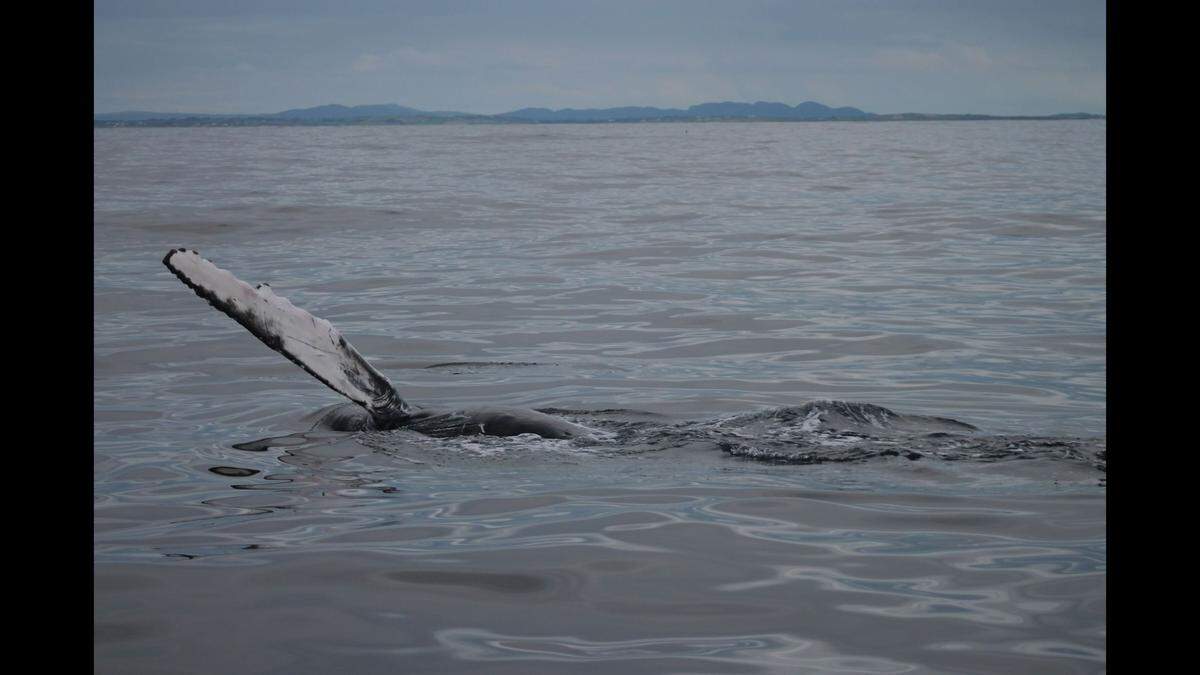
The group then kept moving, trying to catch a glimpse of a humpback — and they “were astonished” by what they encountered, Craig said.
Two humpbacks, HBIRL24 and HBIRL89 were bubble-net feeding together, which is a feeding technique whales use that involves creating a net of bubbles to contain prey before they lunge through the “net” with an open mouth to trap their catch.
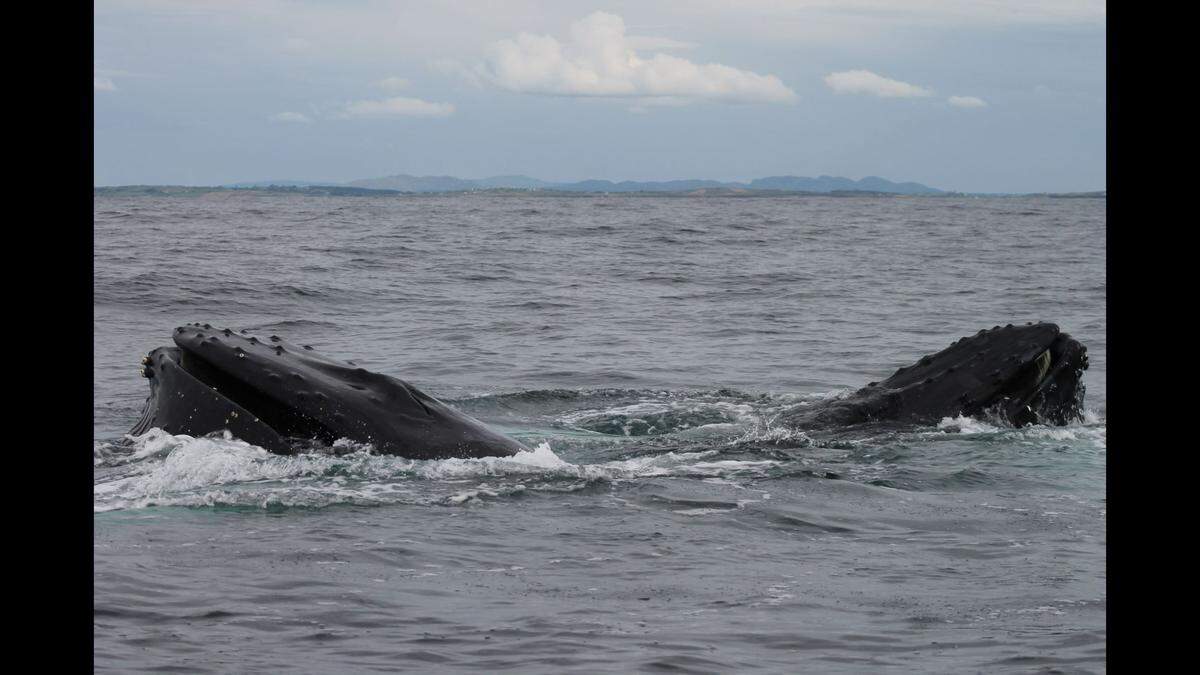
As the group watched and documented the feeding, they noticed another movement in the distance: It was another humpback, later identified as HBIRL67, also known as Queen Medh, who was spotted by other boaters earlier this summer.
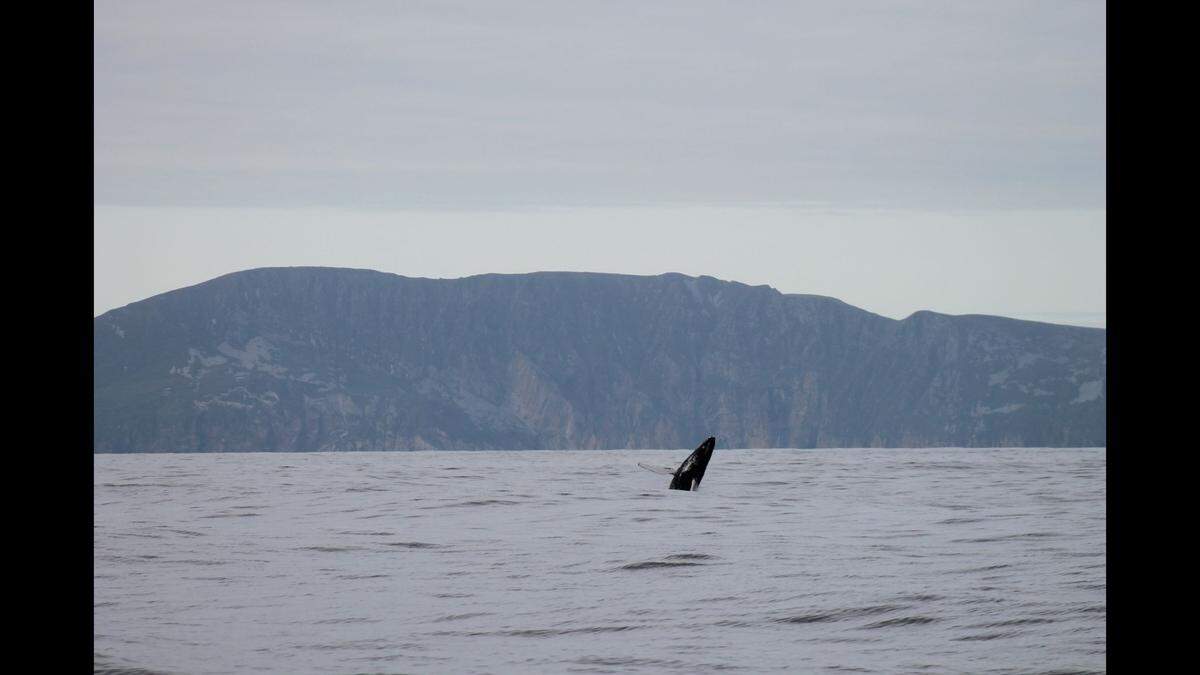
“The show didn’t stop there,” Craig said.
The group spotted more splashes in the distance, and they raced to catch a glimpse at the source.
That’s when they found a third humpback whale who was “breaching clear out of the water.”
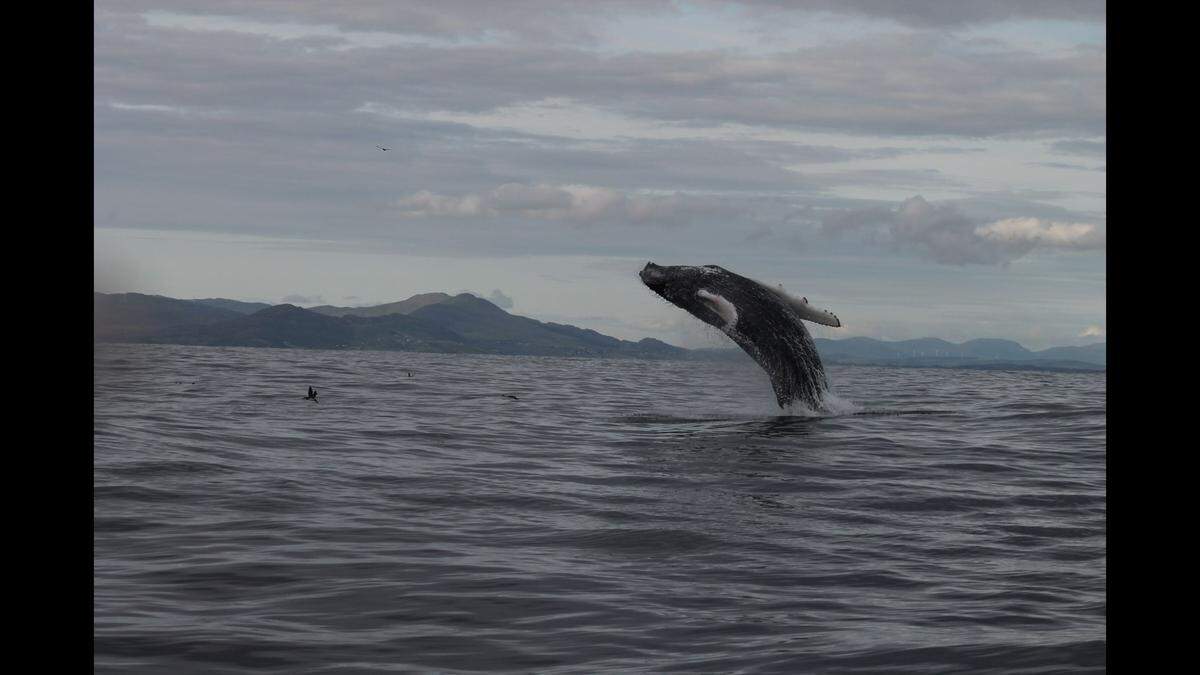
“It must have breached more than 50 times, really putting on a majestic display,” Craig said.
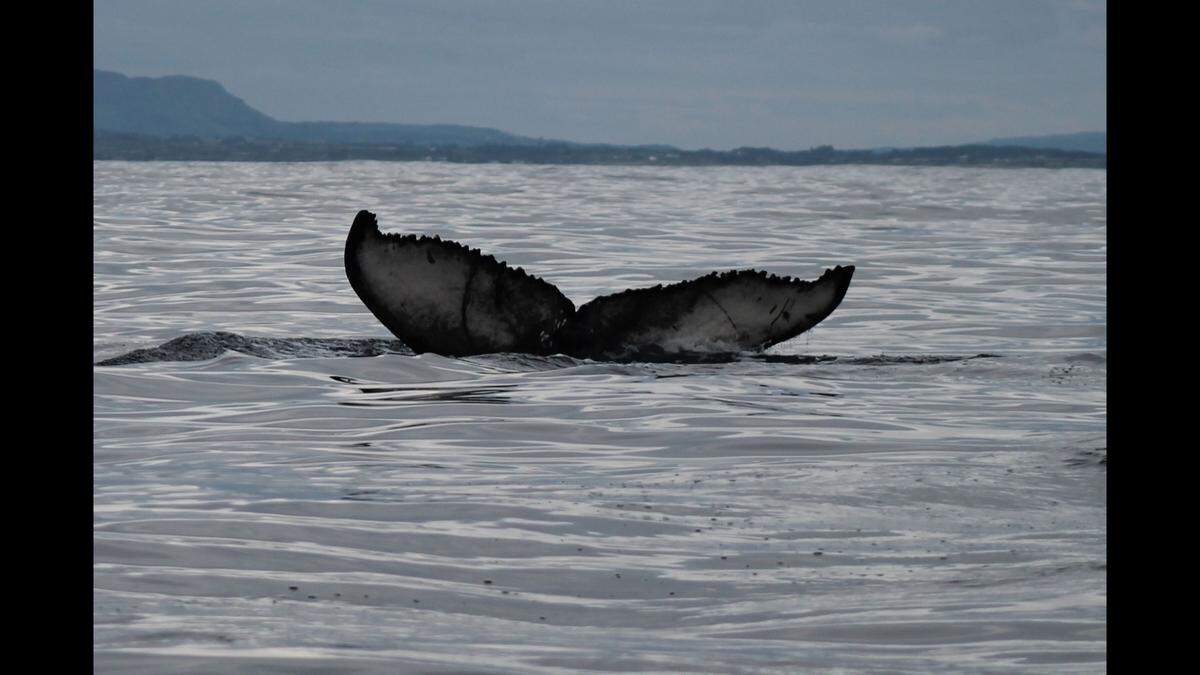
The group watched “in awe” while snapping photos of the creature until they could capture a shot of its fluke — or tail, which is used to identify the creatures.
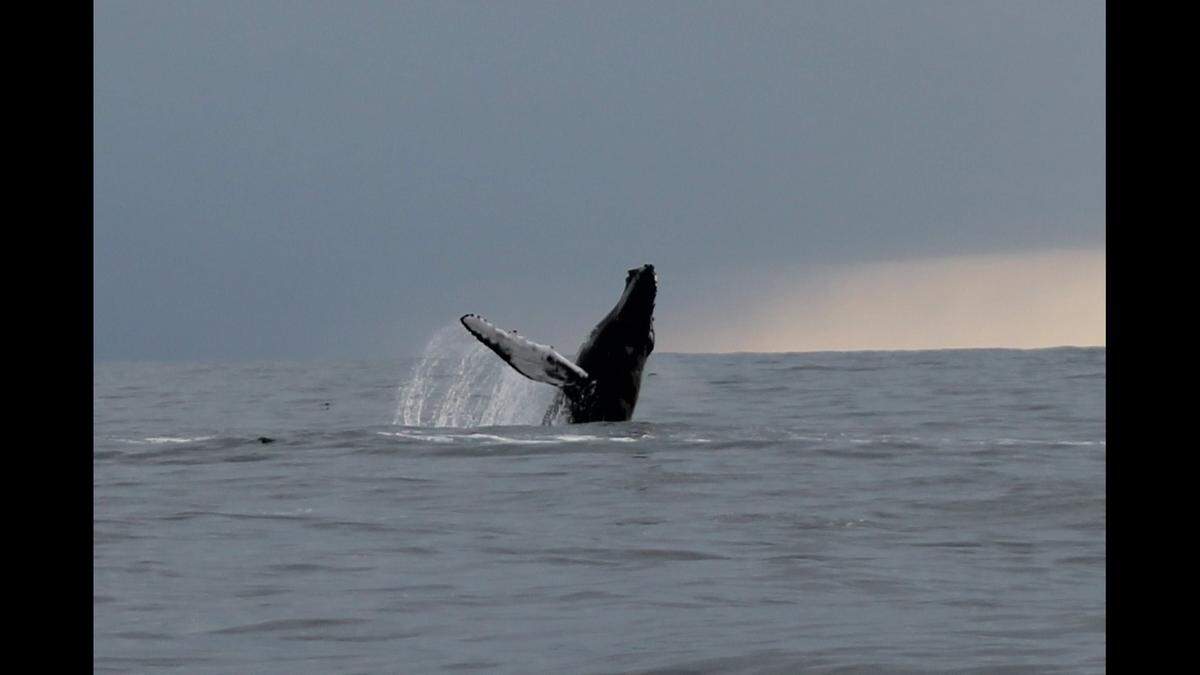
When they looked at the tail shot,though, the researchers realized the humpback had never been recorded in Irish waters, so they catalogued the creature, identifying it as #HBIRL125 and nicknaming it “Scar” after spotting a number of lacerations on its back, Craig said.
“We made our way back to shore with ecstatic expressions on our faces,” Craig said. “It was truly magnificent to have encountered these incredible animals in this part of the world.”
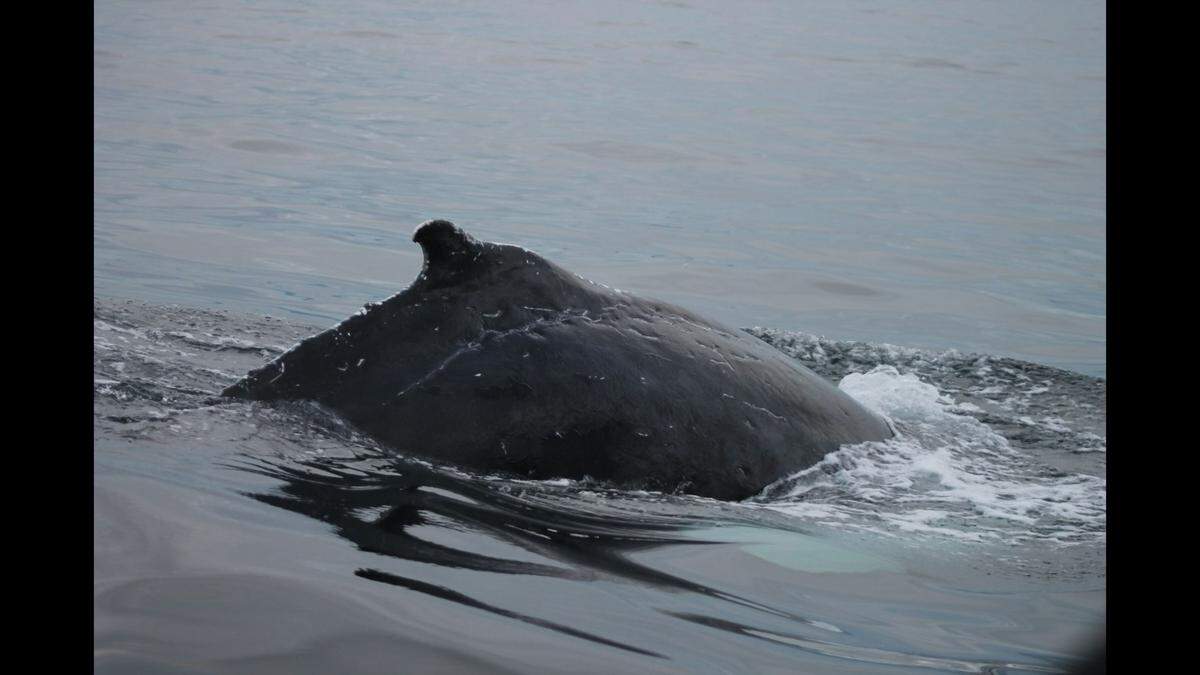
Range expansion: a new trend
For the past 25 years, humpback whales in Ireland have kept almost exclusively to southwest waters, especially in hot spots in West Cork and Kerry. Now, experts have noticed a “complete shift” as humpbacks are moving north.
Researchers with IWDG believe the trend north could be growing evidence of “range expansion” among the Irish cohort of humpbacks.
“This is a wonderful opportunity for whale watch enthusiasts living on the west and northwest to observe these magnificent mammals from both land vantage points or boats on your own local patch,” the group said in a June 17 news release. “That long trip down to West Cork or Kerry to see them, may soon become a thing of the past.”
“These are indeed interesting times to be involved in whales and dolphins in the Irish northwest waters, and Donegal in particular,” Craig said.
Donegal Bay is an inlet in northwest Ireland, about 120 miles northwest of Dublin.
This story was originally published July 25, 2023 at 10:19 AM with the headline "Boaters ‘in awe’ as huge creature puts on ‘majestic display’ in Ireland, photos show."