Hiker stumbles upon 7,000-year-old fish traps in shrinking Norway lake. Take a look
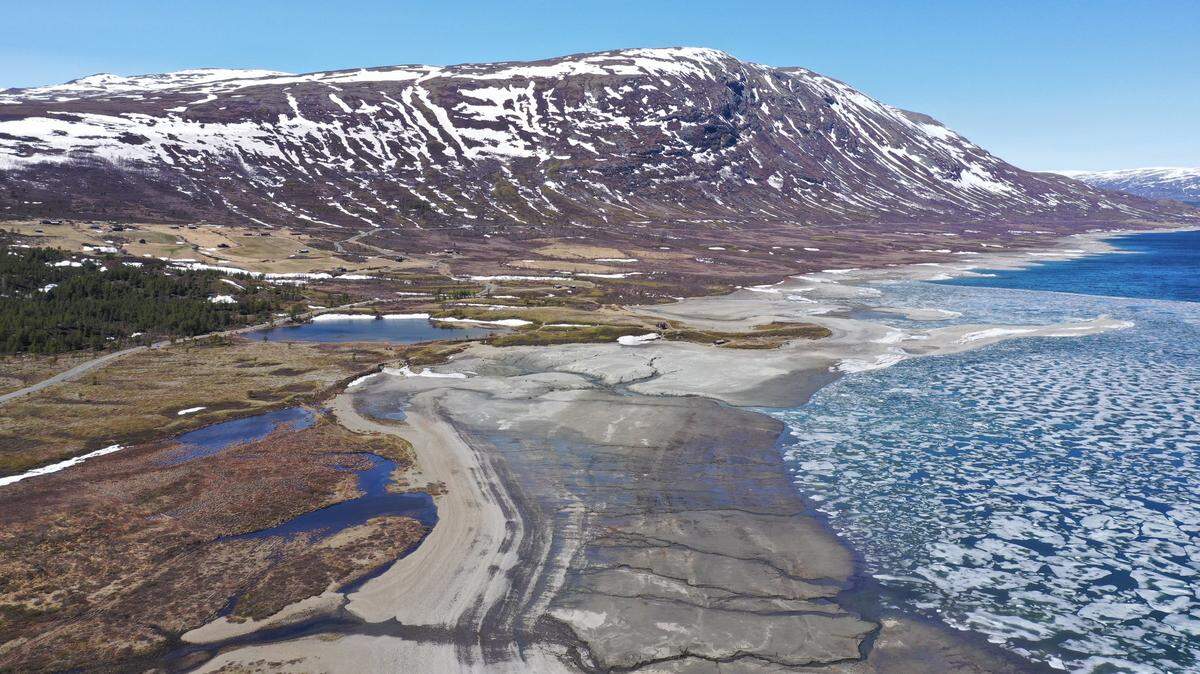
Standing on the bank of a serene lake in Norway, a hiker breathed in the crisp mountain air. As he scanned the shoreline, something caught his attention.
He noticed a series of wooden poles plunged into the dry lakebed — and stumbled on a 7,000-year-old fishing trap.
Reidar Marstein, a mountaineer and hobby archaeologist, uncovered the ancient traps at Tesse lake last summer, according to a September news release from the Cultural History Museum. The shrinking lake waters temporarily exposed the trap.
Archaeologists conducted a preliminary survey of the site and dated one of the trap’s wooden logs to 5000 B.C., the release said. These ruins are the oldest fish traps in Norway and the oldest trap of their kind in northern Europe.
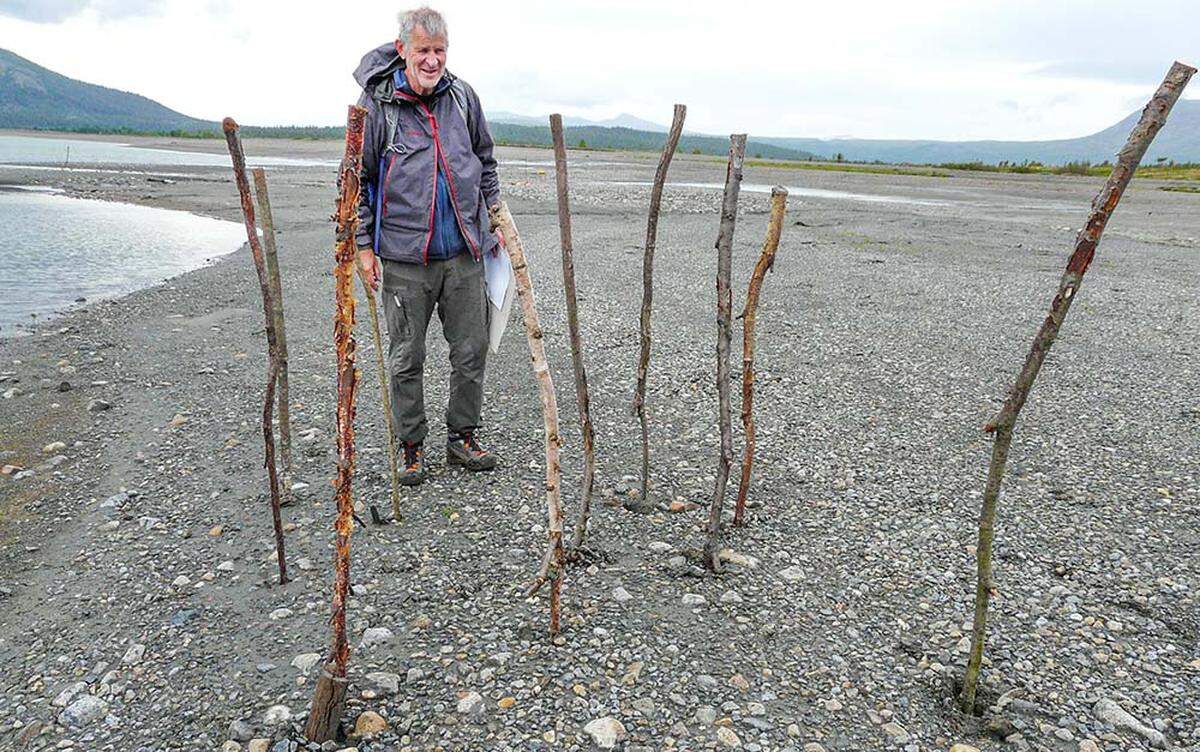
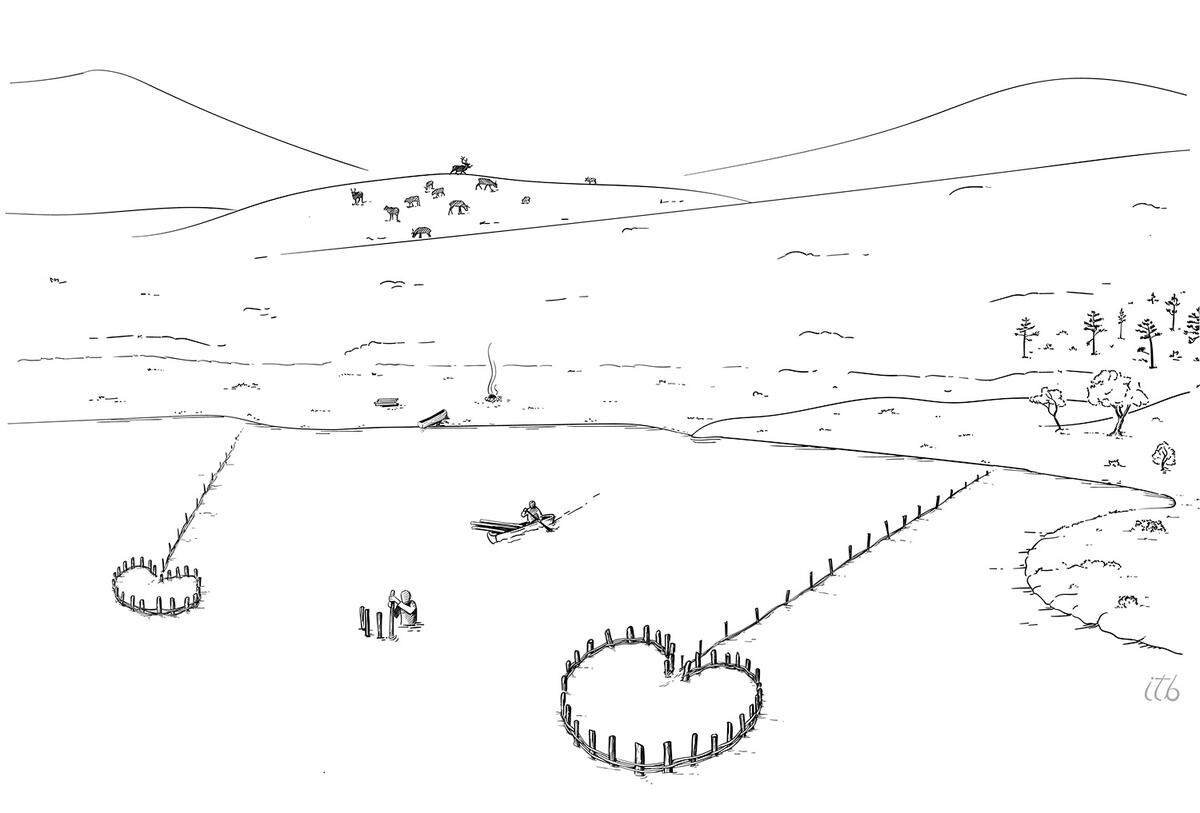
The fish traps were made of sharpened wooden poles plunged into the lakebed. The traps sat in shallow water and likely had a lollipop-like shape, according to the release.
Fish were funneled along a wooden fence and into the main circular trap chamber. Once inside, ancient fishermen could haul in their catch from a boat or by wading into the cold water, the release said. An illustration shows what the traps probably looked like.
But the lake’s rising water levels submerged the Stone Age traps before archaeologists could excavate last summer.
Water levels in Tesse lake, about 180 miles northwest of Oslo, fluctuate seasonally, the Cultural History Museum said in a June 4 Facebook post. The lake shrinks in the early summer when it’s drained to produce power and refills as summer weather melts the surrounding snow.
Undeterred, archaeologists patiently waited for the lake to shrink. The first excavations of the fish traps began June 4 and continued as long as the low water levels allowed, the museum said.
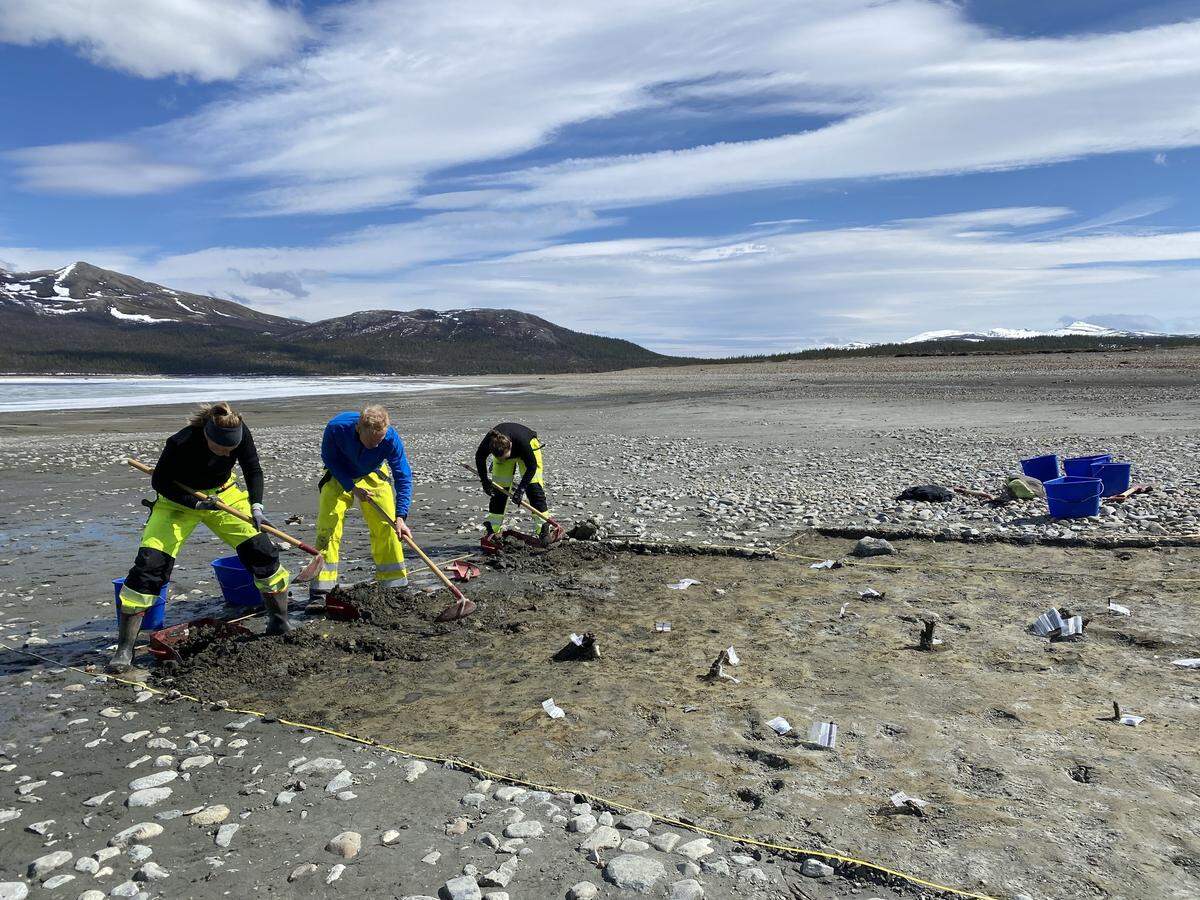
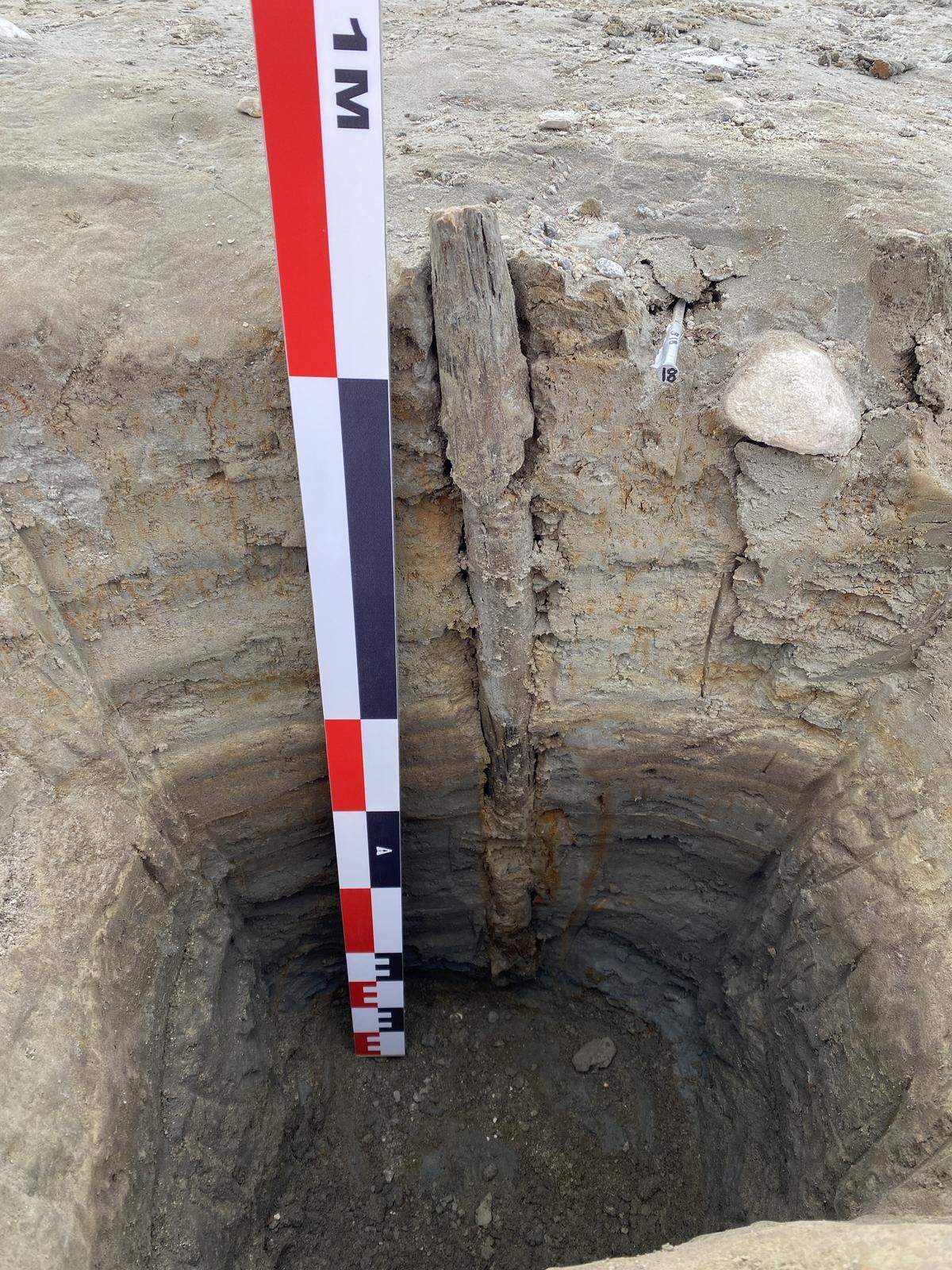
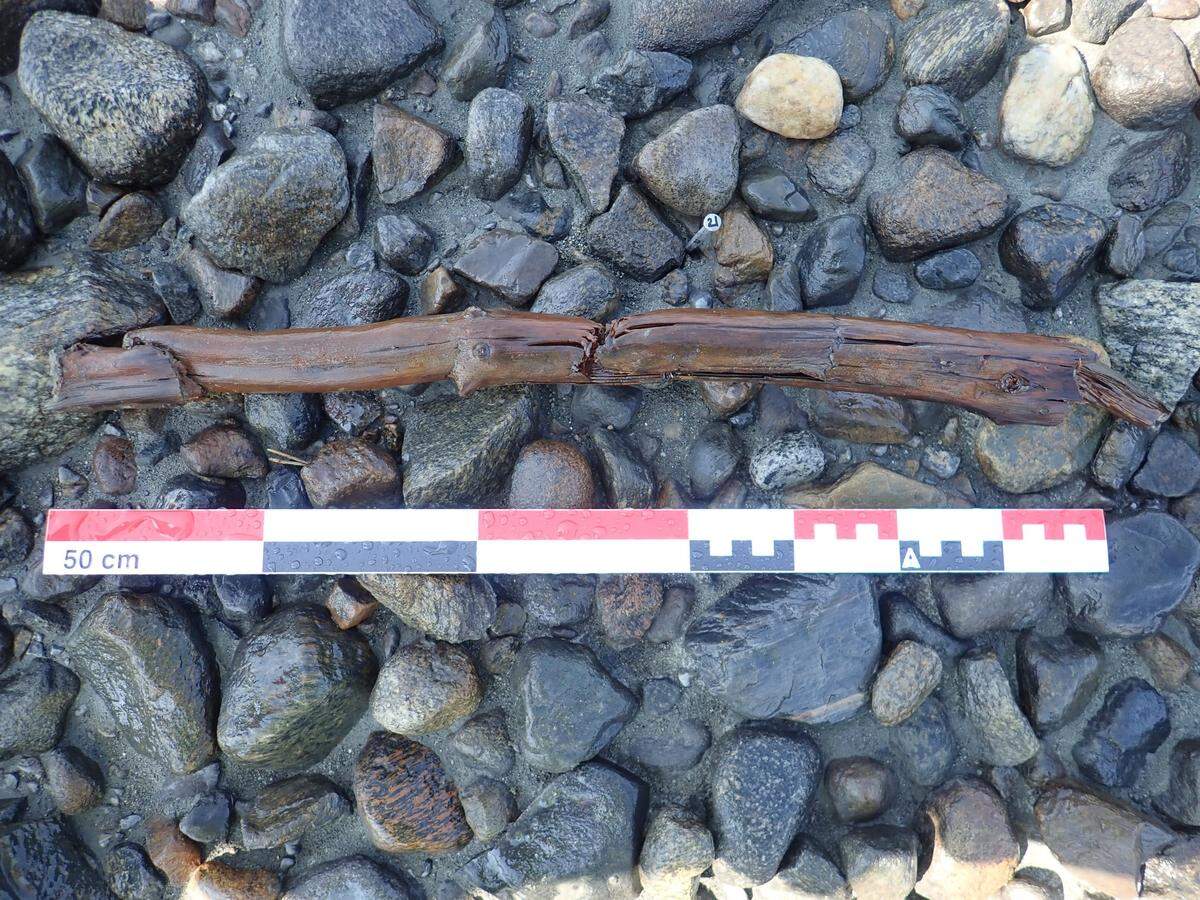
Archaeologists located four fish traps and fully excavated one, the museum said in a June 21 update. They unearthed more than 50 incredibly well preserved wooden poles. The poles were chopped, sharpened and plunged deep into the lakebed, photos show.
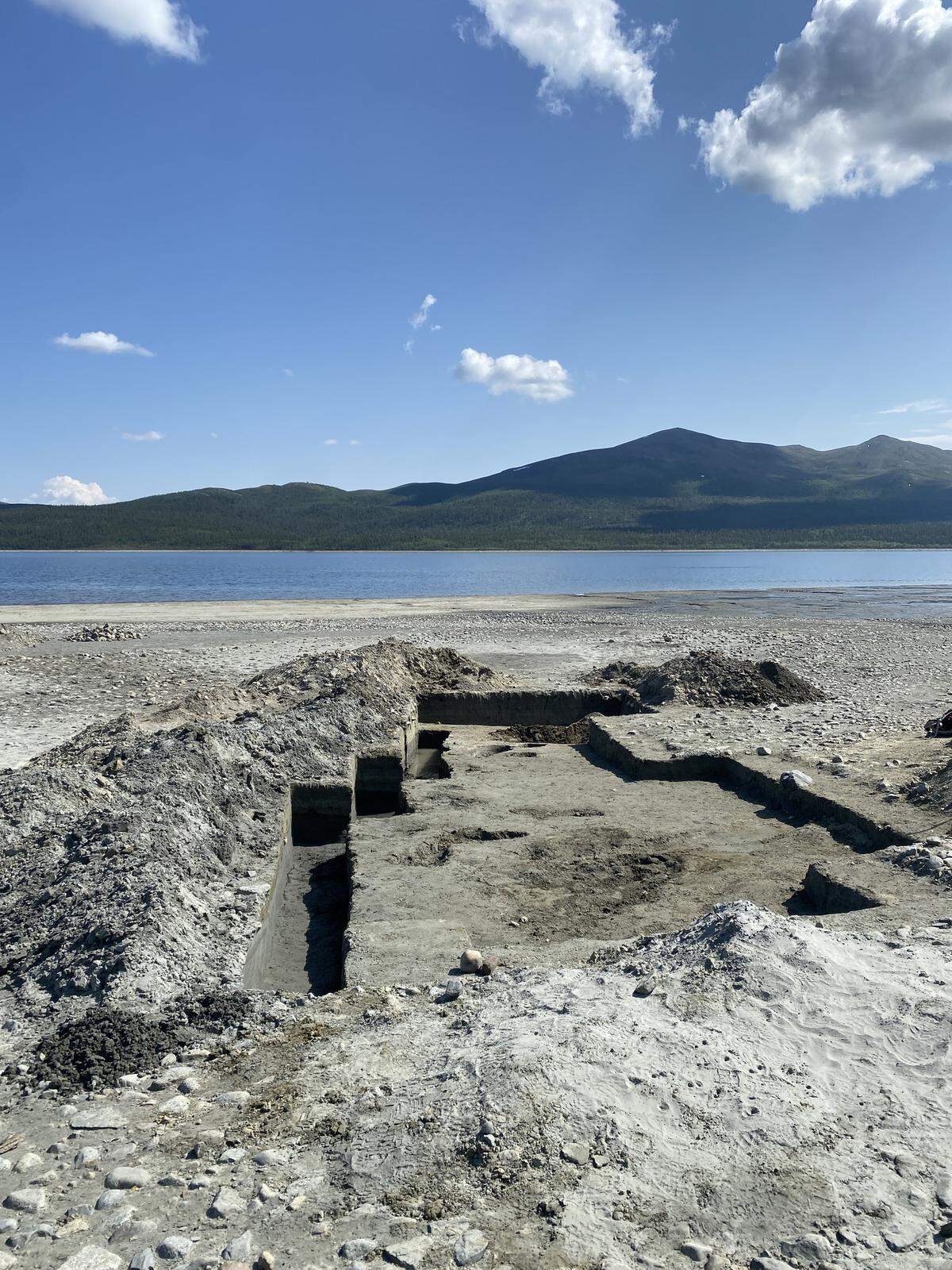
“The poles are pointed at the end and were clearly driven into the seabed with quite a bit of force,” Axel Mjærum, the archaeologist managing the excavation, told Science in Norway. “The pointed ends are slightly damaged at the tip.”
Excavations also uncovered materials that sat between the poles, made the chamber of the trap tight and prevented fish from escaping, the museum said.
“We were quite sure that we were dealing with fish traps here, but now we are absolutely certain,” Mjærum told Science in Norway.
“It’s a find that brings us very close to the Stone Age people,” he said.
The ancient hunters who built and used these fish traps likely followed reindeer into the mountains, the release said.
“Fishing is safe and predictable,” Mjærum told Science in Norway. “Hunting reindeer with a bow and arrow is perhaps more prestigious, but also more unpredictable. It is not the fish that have drawn these people to the mountains… but the fish have made it possible to engage in reindeer hunting, which we know has been important to them.”
Previous excavations around Tesse lake had uncovered ruins of Stone Age settlements, Science in Norway reported.
Although the fishing traps are once again submerged, archaeologists will continue studying the wooden poles to understand when the traps were built and how often they were used, the museum said.
Facebook Translate was used to translate the Facebook posts from the Cultural History Museum. Google Translate was used to translate the news release from the Cultural History Museum.
This story was originally published June 22, 2023 at 8:53 AM with the headline "Hiker stumbles upon 7,000-year-old fish traps in shrinking Norway lake. Take a look."