Chernobyl frogs look different 36 years after disaster. They’re adapting, study says
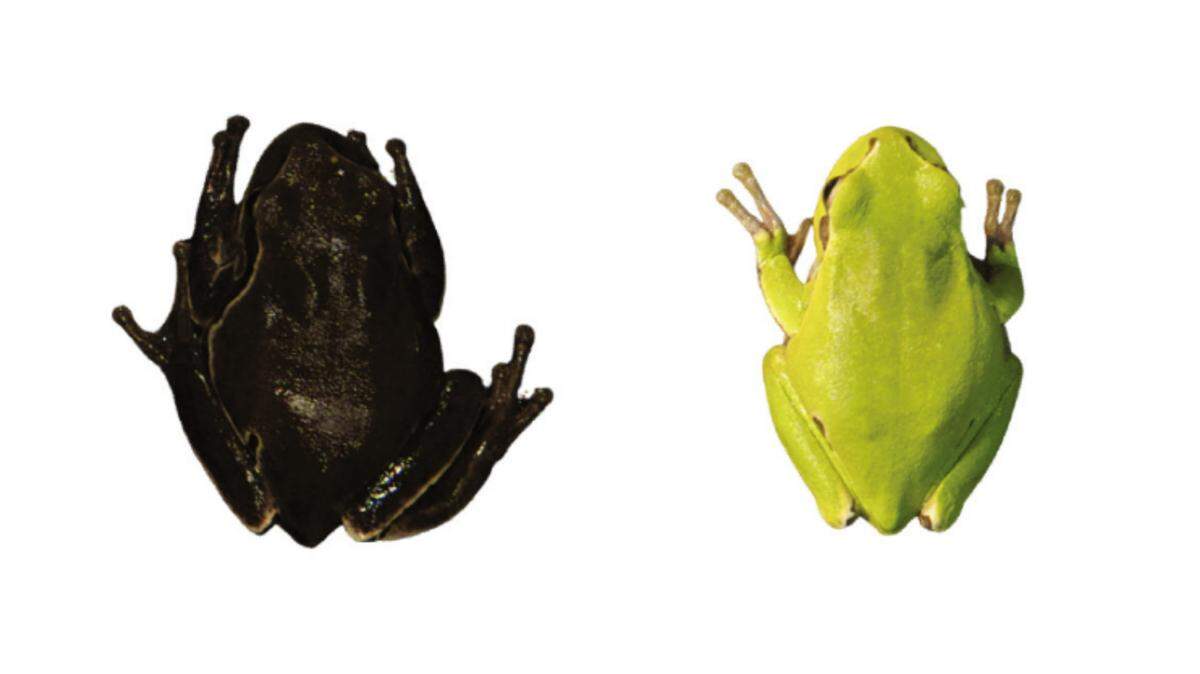
The Chernobyl nuclear power plant exploded decades ago, but tree frogs in the area still show its aftermath, researchers found.
Nuclear reactor 4 at the Chernobyl power plant in northern Ukraine became highly unstable during a regular test in April 1986, The Nuclear Association reported. The reactor exploded – twice – and released the largest amount of radioactive material in human history, researchers wrote in a study published by Evolutionary Applications.
Thirty-six years later, the disaster site is a nature reserve where endangered species have begun to thrive, researchers say. Bears, wolves, and lynxes live there.
So do “pitch-black” tree frogs, researchers found, Phys.org reported on Sept. 29.
For over two years, researchers looked at the coloring of more than 200 eastern tree frogs from across areas of varying radioactivity, Phys.org reported.
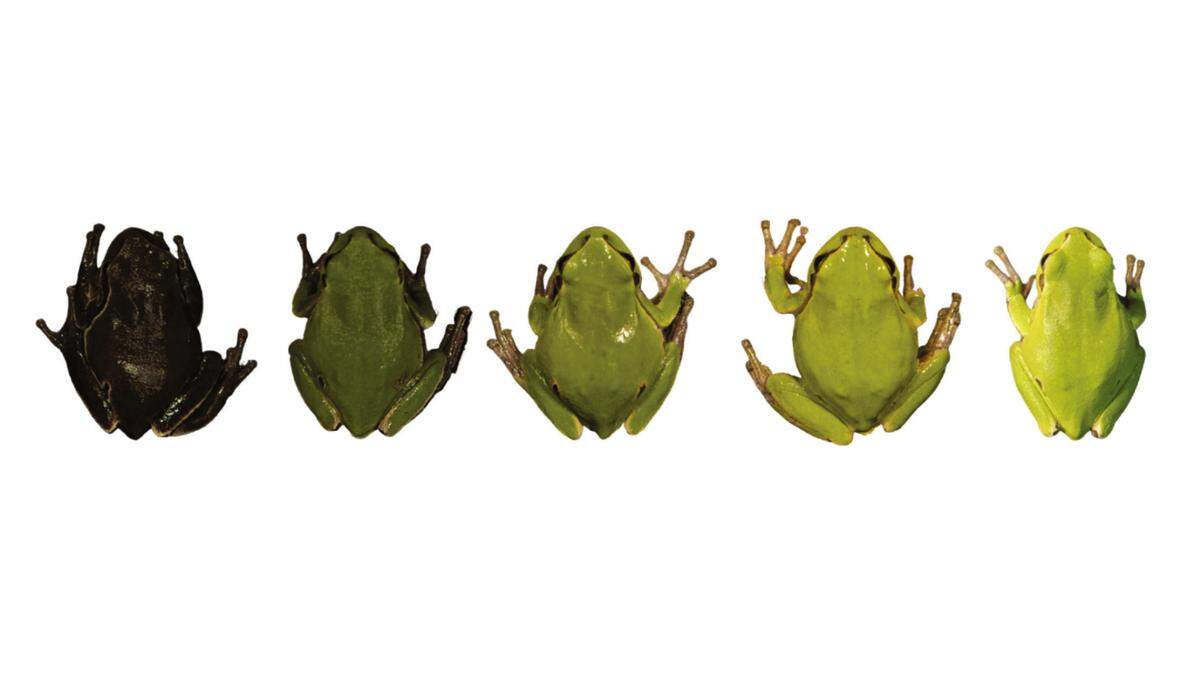
They found a gradient of colors, from tree frogs’ usual bright green to an unusual black, photos show. The closer a tree frog lived to areas of Chernobyl with historically high radiation levels, the darker their coloring, researchers found.
Frog coloring correlated to an area’s historic radiation levels, not its current radiation level, researchers said.
But why? Melanin – the pigment that makes organisms darker – also offers protection from ultraviolet radiation by absorbing and dissipating some of this energy, researchers explained.
Researchers attributed the color variation to natural selection, a process that began favoring darker-colored frogs immediately after the Chernobyl disaster. Dark-colored frogs would have survived nuclear radiation better than light-colored frogs, allowing them to reproduce and – over time – go from a minority to the dominant type near Chernobyl, the study published Aug. 29 says.
“On average, tree frogs inhabiting the Chornobyl Exclusion Zone were remarkably darker,” researchers wrote. The study hoped to provide insights into the environmental adaptations to nuclear radiation and suggested further research be done in the Chernobyl area.
Chernobyl is about 95 miles north of Kyiv.
This story was originally published October 5, 2022 at 9:16 AM with the headline "Chernobyl frogs look different 36 years after disaster. They’re adapting, study says."