‘100% preventable.’ NTSB faults FAA for midair crash of jet and Army helicopter
AI-generated summary reviewed by our newsroom.
- NTSB: FAA-designed helicopter route near flight path was chief factor in crash.
- Investigators also cite overreliance on pilots to ‘see and avoid’ other aircraft.
- NTSB issues 50 safety recommendations, most directed at the FAA.
The pilots of an American Airlines commuter jet and an Army Black Hawk helicopter were put on a collision course over the Potomac River by the Federal Aviation Administration, which designed and approved a flight pattern that relied too heavily on pilots to avoid crashes, according to the National Transportation Safety Board.
The board approved its final report Tuesday following a yearlong investigation of the Jan. 29, 2025, midair collision that killed all 64 people on the plane and all three soldiers on the helicopter. They included Capt. Rebecca Lobach, the pilot in control of the helicopter, who grew up in Rougemont in northern Durham County and graduated from UNC-Chapel Hill in 2019.
The report makes 50 safety recommendations, most directed at the FAA. It concludes the “probable cause” of the crash was the result of several factors. But chief among them was an established flight route that allowed helicopters to cross the path of jets approaching Ronald Reagan Washington National Airport.
“This helicopter route shouldn’t have been there in the first place,” Jennifer Homendy, the board’s chair, said during Tuesday’s hearing. “This was terrible design of the airspace.”
The report is also critical of the air traffic control system’s “overreliance on visual separation,” which counts on pilots to “see and avoid” other aircraft. The crew of the helicopter told air traffic controllers that they could see the CRJ commuter jet, but they were likely seeing a different plane, investigators determined.
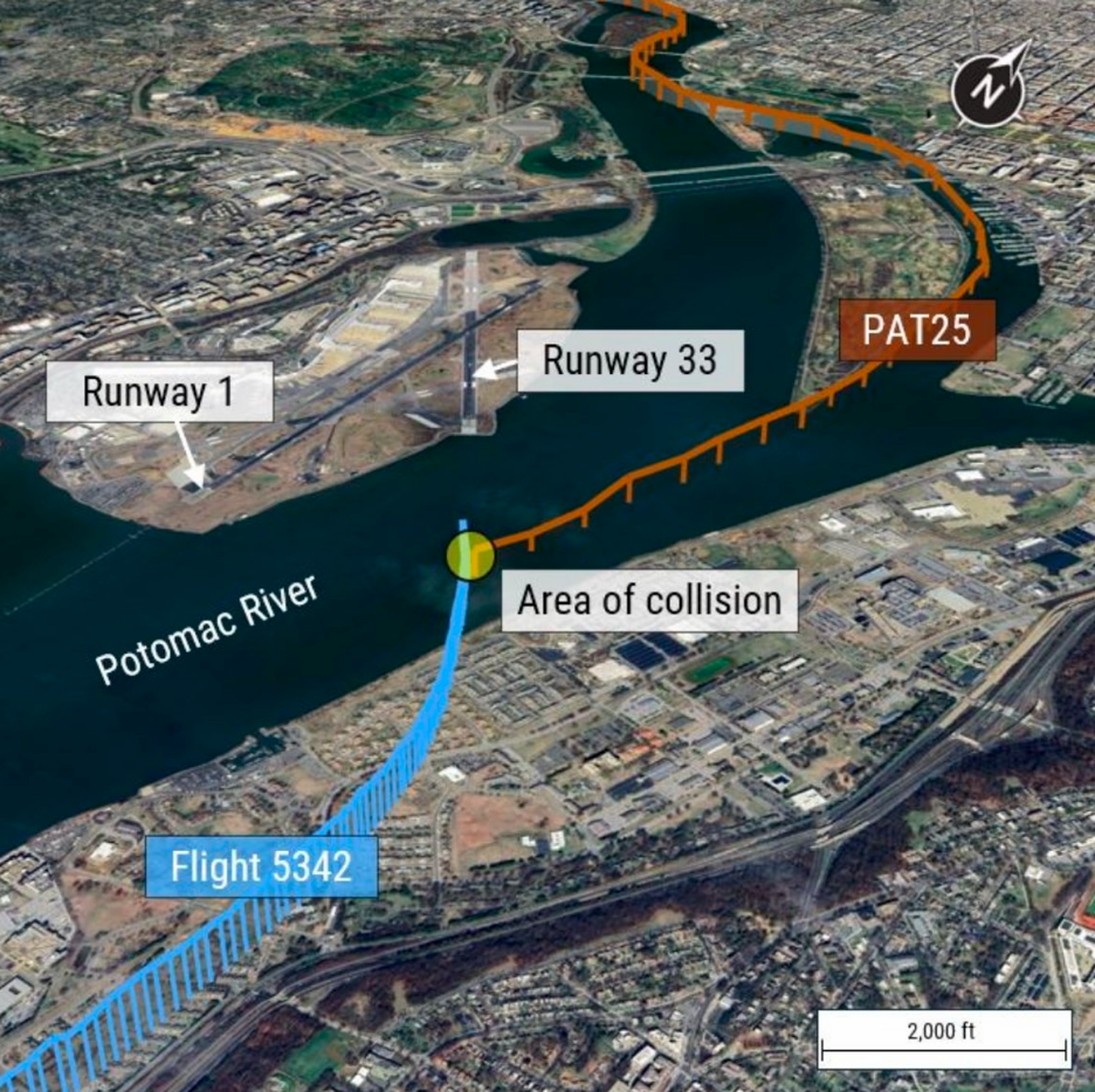
The NTSB report does not fault the pilots of either aircraft. The four-person crew of American Eagle Flight 5342 was based in Charlotte. They had left Wichita, Kansas, and were preparing to land at Reagan National when the collision occurred. The plane was operated by PSA Airlines, a subsidiary of American Airlines.
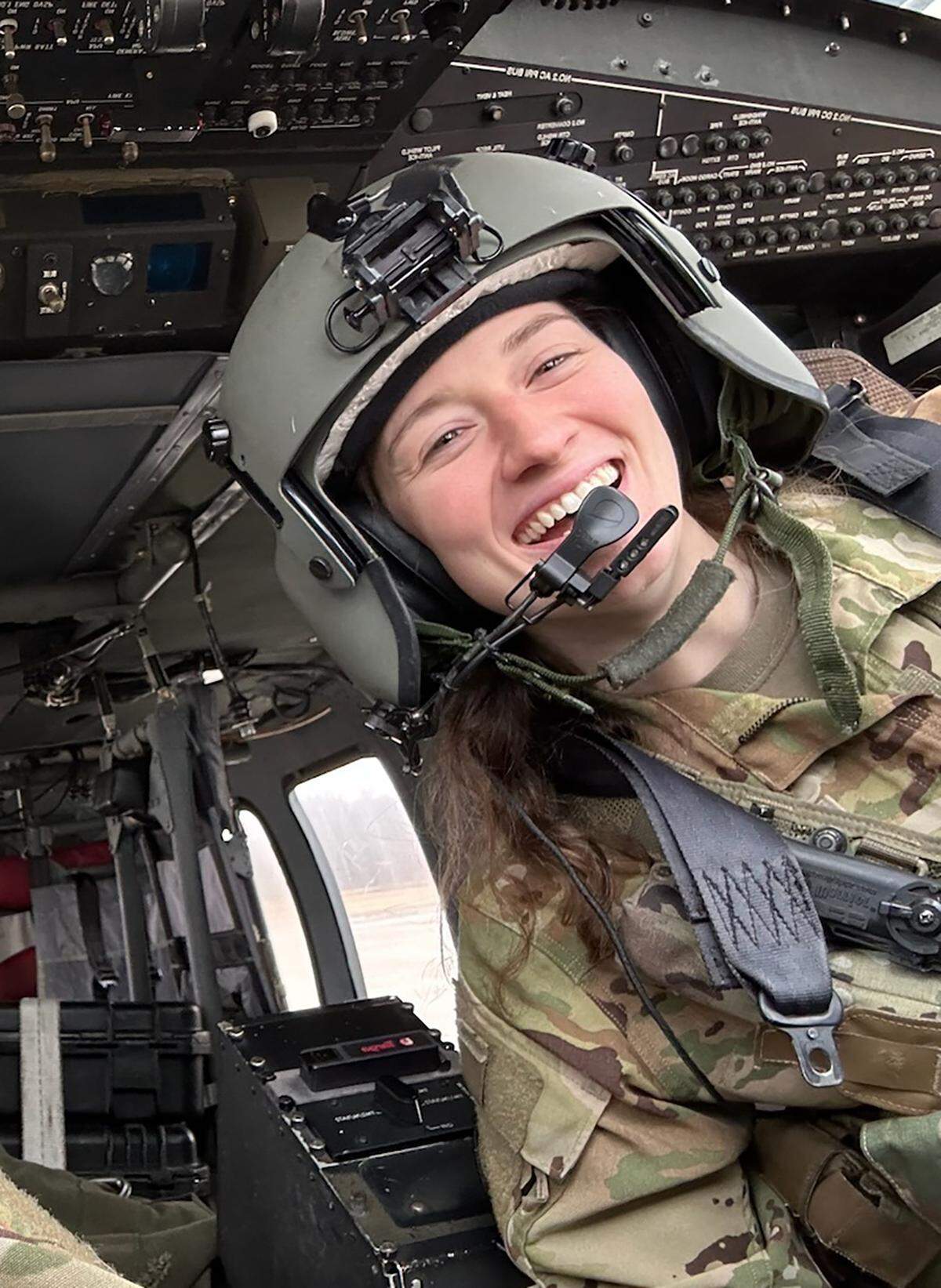
The board made several recommendations to the U.S. Army, among them warning pilots about the potential errors in altitude readings from altimeters like the one used on the Black Hawk. Investigators determined the helicopter crew was flying above the authorized altitude but likely didn’t know it.
“They thought they were at 200 feet,” Homendy said. “And they actually were at 300 or above at some points, which is unacceptable.”
FAA says it welcomes the NTSB’s report
Early in its investigation, the NTSB recommended that helicopters be prohibited from flying near Reagan National when planes are using one of the airport’s three runways to take off and land.
The FAA says it made that change, reduced the number of flights allowed to land per hour at the airport, and increased staffing in the control tower.
“The FAA values and appreciates the NTSB’s expertise and input,” the agency said in a statement after Tuesday’s hearing. “We have worked side-by-side with the NTSB throughout this accident investigation and acted immediately to implement urgent safety recommendations it issued in March 2025. We will carefully consider the additional recommendations the NTSB made today.”
Homendy said the crash investigation was one of the most complex in the NTSB’s history. She said the NTSB’s findings and recommendations, to be compiled in a written report still to come, are just the beginning of a process that she hopes will lead to meaningful changes.
“This was 100% preventable,” she said.
This story was originally published January 28, 2026 at 1:08 PM with the headline "‘100% preventable.’ NTSB faults FAA for midair crash of jet and Army helicopter."