‘Jane Doe’ killed by convicted Michigan serial killer in 2006 is now ID’d, officials say
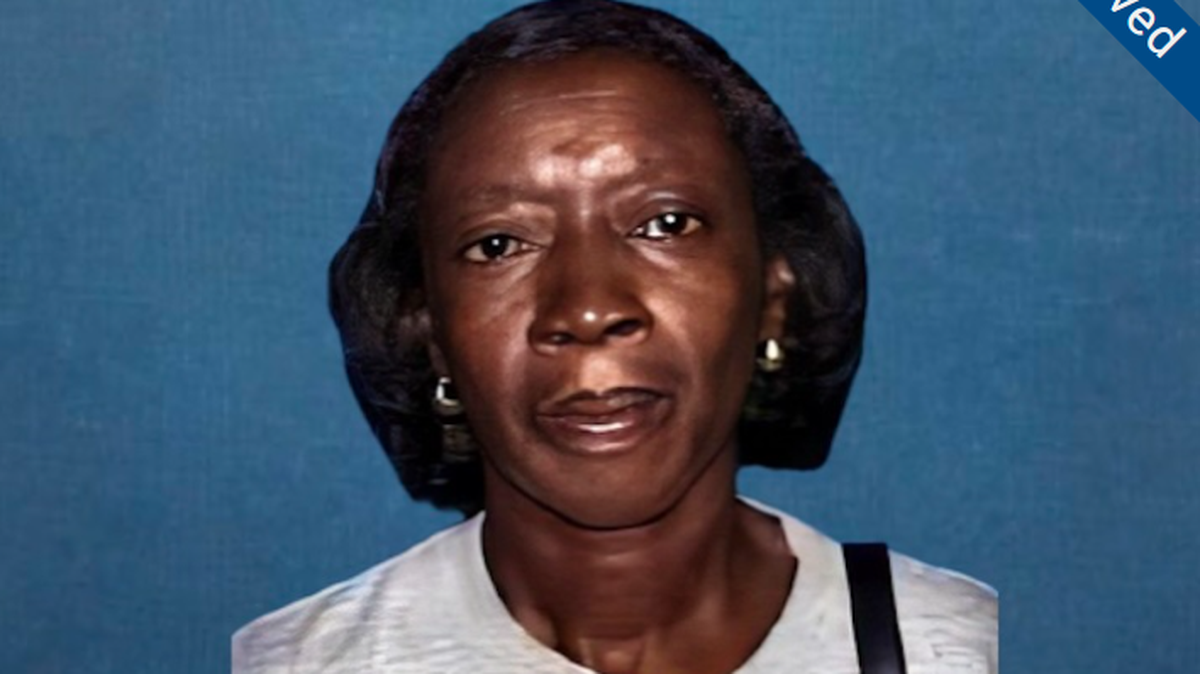
The identity of a woman killed by convicted Detroit serial killer Shelly Brooks had been unknown for nearly two decades after her body was found in an abandoned home in 2006, authorities said.
She’s been known as Jane Doe for years, but advanced DNA testing by Othram allowed law enforcement to find her family and officially identify her, Othram said in a Jan. 6 news release.
Shortly after her body was found, authorities crafted a forensic composite of what the woman may have looked like, but she couldn’t be identified, according to officials. The case went cold for almost 20 years.
Detroit police turned evidence over to Othram’s lab in The Woodlands, Texas, in 2022, the company said. Scientists extracted DNA from the evidence using forensic-grade genome sequencing and built a profile of Jane Doe.
Then, scientists researched her genealogy and gave local law enforcement new leads on who the woman could be, according to the news release.
Investigators found the woman’s potential family members and ultimately identified her as Darylnn Washington, born June 15, 1959, officials said.
Washington’s family told police they believed she was killed by a serial killer, but that her remains were never found, officials said.
Brooks was sentenced to life in prison in 2007, according to the Michigan Department of Corrections. He’s believed to have caused at least seven deaths, CBS reported.
Cold cases
Genetic genealogy
Genetic genealogy uses DNA testing coupled with “traditional genealogical methods” to create “family history profiles,” according to the Library of Congress. With genealogical DNA testing, researchers can determine if and how people are biologically related.
Familial DNA searching
Familial DNA searching is done by comparing DNA profiles with government-run DNA databases, such as the Combined DNA Index System, according to Jennifer Wiebe, a professional genealogist.
Unlike forensic investigative genetic genealogy, which searches public DNA databases, it “can only locate very close relatives, either a parent, child or sibling,” Wiebe said on her website.
Forensic investigative genetic genealogy can potentially find more distant relatives, according to Wiebe.
This story was originally published January 8, 2025 at 8:52 AM with the headline "‘Jane Doe’ killed by convicted Michigan serial killer in 2006 is now ID’d, officials say."