Fingers sticking out of snow lead man to his brother buried in Utah avalanche. See it
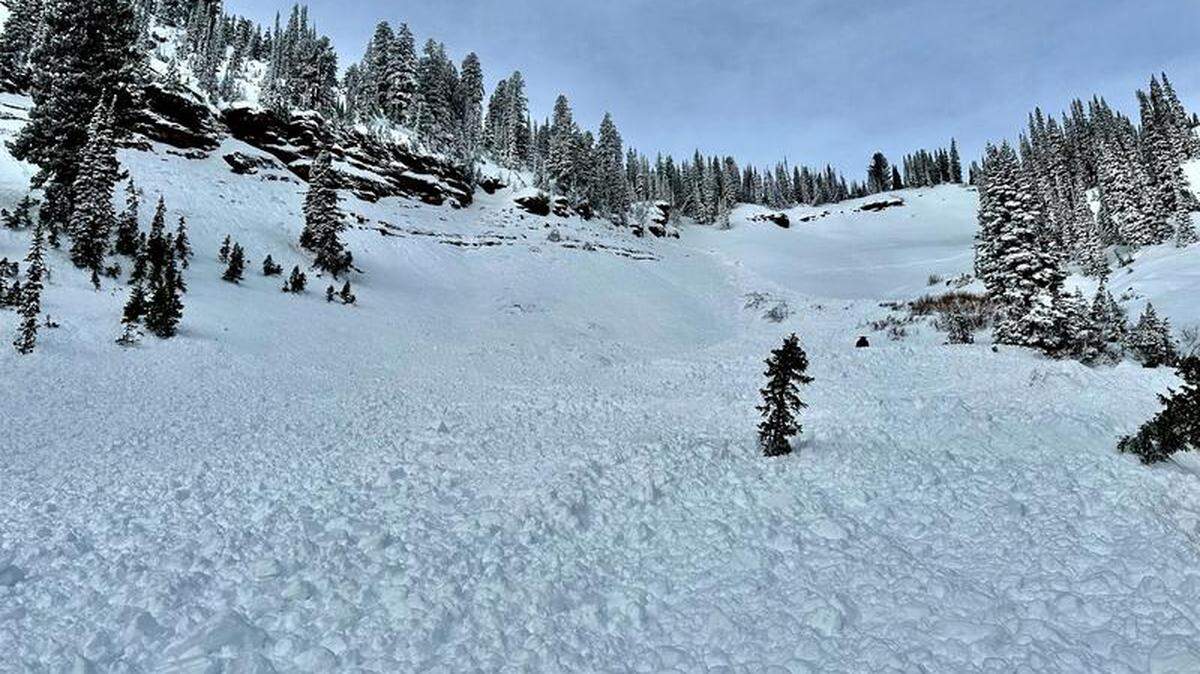
A sibling snow sledding trip in northern Utah’s backcountry quickly turned treacherous when the snowmobile triggered an avalanche that buried one of the brothers.
They were taking turns riding the sledder in a bowl beneath a cliff band in an area known as Steep Hollow on Tuesday, Dec. 24, according to a report on the Utah Avalanche Center’s website.
One of them triggered the avalanche while side-hilling in the bowl. He noticed the slope rippling below and around his sled and rode off the north flank of the slide — and “watched as the avalanche swept up his brother who was standing next to his sled below the slope,” the report says.
The avalanche then carried him about 150 yards and buried him, the report says.
His brother used a transceiver to get close enough to the area where his sibling was buried “to see a couple of fingers of a gloved hand sticking out of the snow,” the report says.
Photos show the debris from the avalanche pooled in the bowl and what appears to be part of the buried snowmobile poking through.
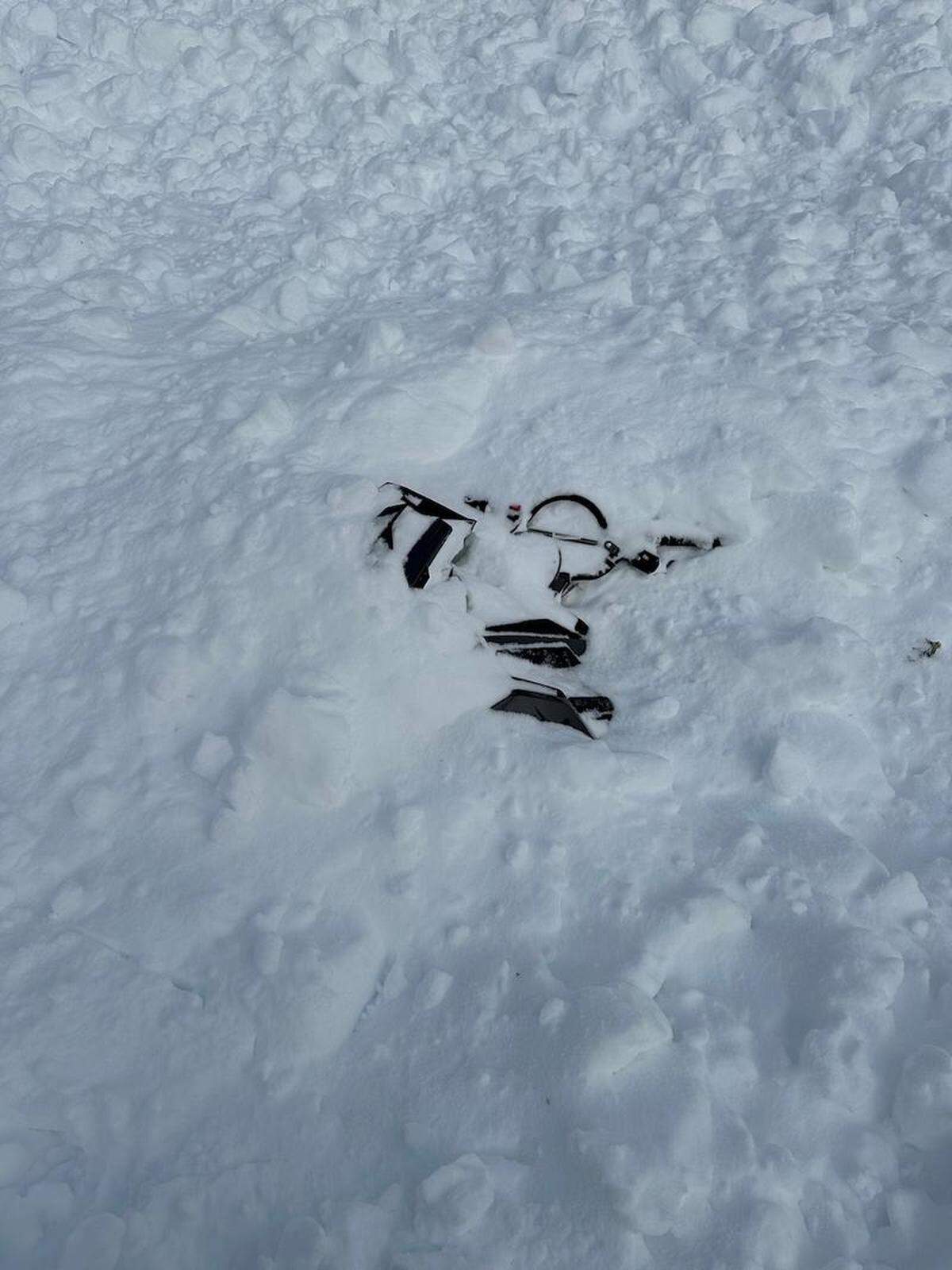
He dug his brother out from the snow, and they doubled up on the snowmobile to ride out of the backcountry, the report says.
Avalanche conditions will likely worsen across the mountains of northern Utah and southeast Idaho heading into the weekend, forecasters said in the report.
What to know about avalanches
Avalanches happen quickly and catch people by surprise. They can move between 60 and 80 mph and typically happen on slopes of 30-45 degrees, according to experts.
Skiers, snowmobilers and hikers can set off an avalanche when a layer of snow collapses and starts to slide down the slope.
In the U.S., avalanches are most common from December to April, but they can happen at any time if the conditions are right, National Geographic reported.
At least one person in the U.S. died in an avalanche this season as of Dec. 26, according to the Colorado Avalanche Information Center.
People heading into snow should always check the local avalanche forecast at Avalanche.org, officials with the U.S. Department of Agriculture said, and have an avalanche beacon, probe and shovel ready.
“Emergency services are usually too far away from the scene of an avalanche, and time is important,” Simon Trautman, a national avalanche specialist, said. “A person trapped under the snow may not have more than 20 or 30 minutes. So, in a backcountry scenario, you are your own rescue party.”
If an avalanche breaks out, it’s best to move diagonal to the avalanche to an edge, Trautman said.
“Try to orient your feet downhill so that your lower body, not your head, takes most of the impact,” officials said. “You may also get into a tight ball as another way to protect your head.”
This story was originally published December 26, 2024 at 11:02 AM with the headline "Fingers sticking out of snow lead man to his brother buried in Utah avalanche. See it."