Dozens of sharks wash onto NC shore — bleeding from their mouths, officials say
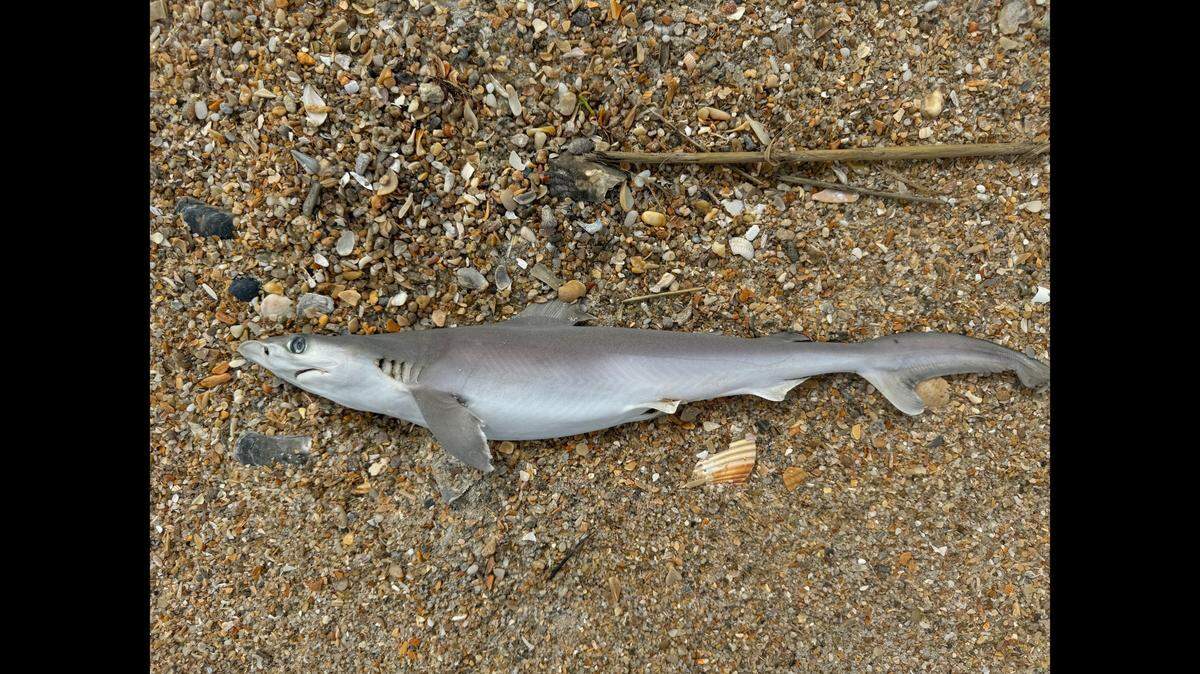
Dozens of sharks washed onto the North Carolina shore — all bleeding from their mouths, officials said.
The sharks also showed signs of blood on their gills when they were found dead at the Masonboro Island Reserve near Wilmington, according to the N.C. Department of Environmental Quality’s Division of Coastal Management.
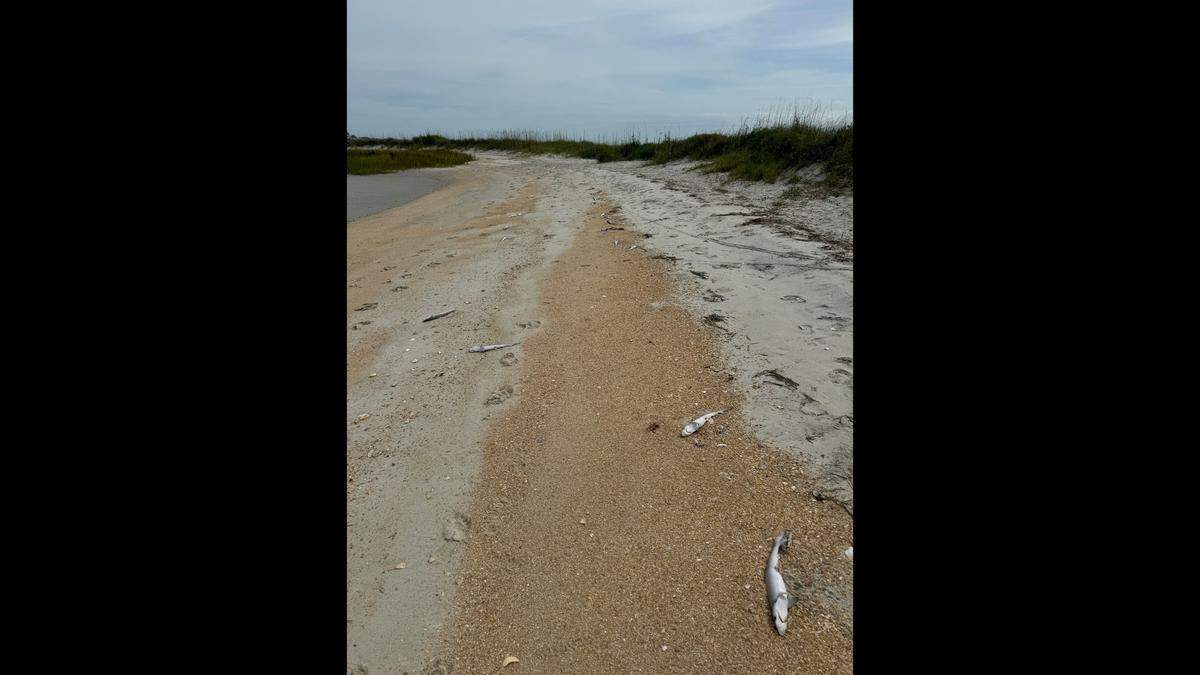
The department responded to the coastal area Sept. 12, the day after people reported seeing the bodies of 50 to 100 sharks. Workers found “51 dead Atlantic sharpnose sharks at the tideline ranging in size from 14 to 21 inches,” public information officer Christy Simmons told McClatchy News in an email.
“There were no visible injuries on the sharks and there was no fishing gear present,” Simmons wrote. “The sharks did all appear to have been bleeding from their gills and mouths. A cause of death will likely not be determined, and there is no ongoing investigation.”
As the mystery lingers, Captain Trevor Smith of Gone Coastal Charters told WECT the sharks could have died due to human-related or natural causes, such as changes in the tide.
“I see that they are washed up on one tide cycle and not multiple tide cycles based on the tide line,” Smith told the TV station.
Photos from the N.C. Department of Environmental Quality show the sharks lining the sand of Masonboro Island, which state officials call “the largest undisturbed barrier island along the southern part of the North Carolina coast.” Visitors can walk on trails and spend time on the beach.
Atlantic sharpnose sharks are found from New England to the Southeast and can grow up to 4 feet long. They’re predators that eat small fish, crabs and other sea creatures, according to the National Oceanic and Atmospheric Administration website.
If you see a marine animal stranded at a North Carolina Coastal Reserve site, you can search for the appropriate contact online at deq.nc.gov/about/divisions/coastal-management/nc-coastal-reserve/about-reserve/contact-us.
This story was originally published September 18, 2024 at 6:30 AM with the headline "Dozens of sharks wash onto NC shore — bleeding from their mouths, officials say."