
Crocodile relocated to Florida island makes 100-mile trip back to same spot, state says
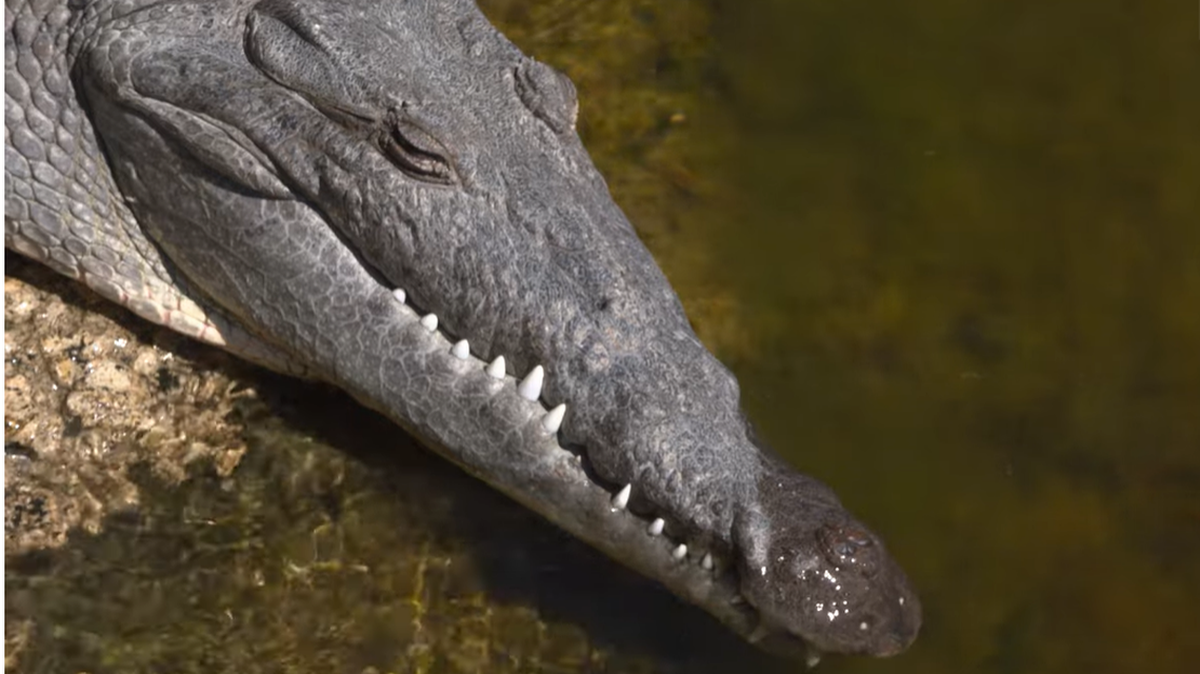
One of Florida’s crocodiles has decided to defy the state’s attempts to relocate it away from people.
The croc in question was captured last year in Brevard County and moved to a coastal barrier island to the south in St. Lucie County, according to the Florida Fish and Wildlife Conservation Commission.
It promptly made a U-turn and started heading back, though not in a straight line.
“The crocodile that the FWC relocated on Oct. 13, 2023, was recently seen again in Brevard County,” state officials told McClatchy News in an email.
“This particular crocodile has traveled over 100 miles during the course of 8 months to return to Brevard County, indicating that it prefers this area.”
That’s about 12.5 miles a month ... or just under half a mile a day.
The surprising return was first reported by Adam Franco of Brevard County, who says he saw a crocodile swimming in a canal behind his home and recognized it.
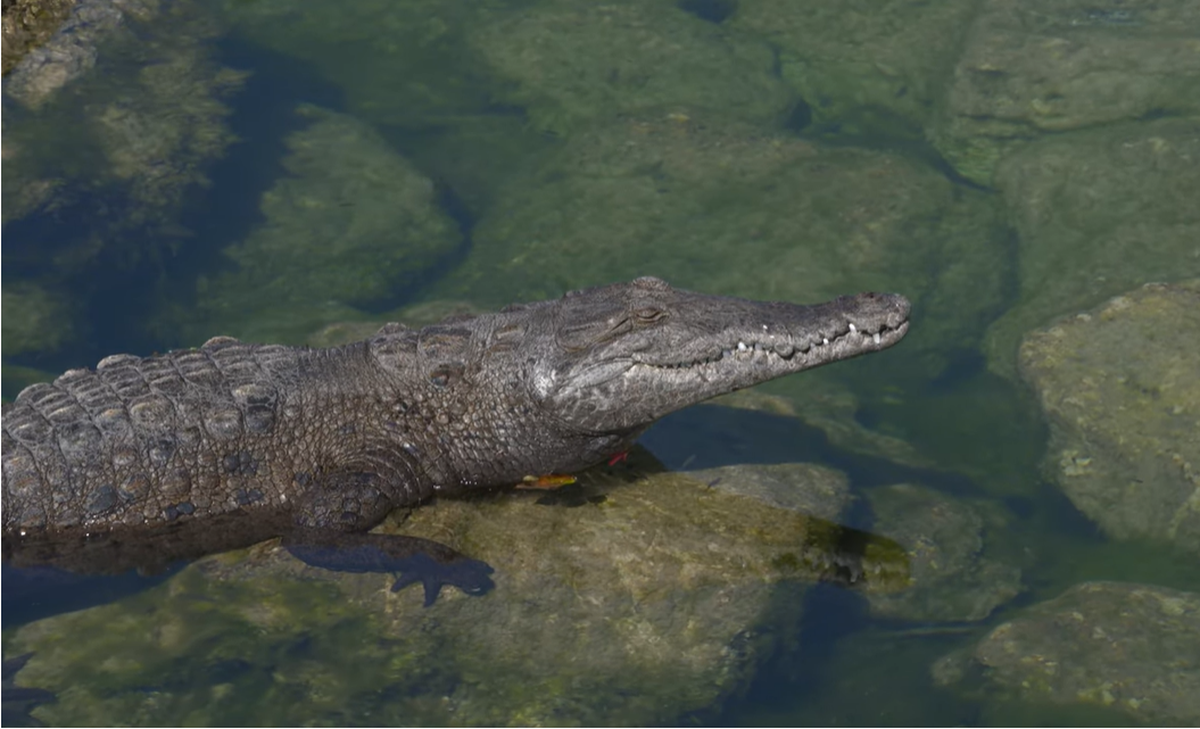
Franco posted video June 3 on Facebook, noting “the croc is back,” and he wasn’t happy about it.
Click here to watch Franco’s video, which contains strong language.
“He’s probably getting very de-sensitized to humans,” Franco told WOFL. “Crocodiles aren’t anything to play with. You see it. You should go the other direction.”
State wildlife researchers are tracking the crocodile’s moves “and monitoring complaint data.”
“To date, this animal has not displayed any concerning behaviors and is not considered to be a threat,” FWC officials told McClatchy News.
The crocodile began its journey back to Brevard County after being dropped off at a seemingly perfect new home in Avalon State Park near Fort Pierce, officials said.
Relocating crocodiles is a challenge because they have a “remarkable ability to return to their original capture site,” according to a study published in The Journal of Wildlife Management.
Among the most stunning examples cited by researchers was a female crocodile that was moved 95 miles, only to show up 2.5 years later, just a quarter of a mile from the same spot.
“Because of concerns regarding crocodiles returning as well as the stress associated with capture and translocation ... the study concluded that crocodile translocations have limited conservation value in Florida and may only be worth considering after all other reasonable options are exhausted,” the FWC Fish and Wildlife Research Institute reported in a July 2023 Facebook post.
American crocodiles are a federally threatened species, and it is estimated only about 2,000 adult crocodiles live in Florida. Males can reach 20 feet in length, “but rarely exceed 14 feet in the wild,” the National Park Service reports.
Brevard County is about 160 miles southeast of Jacksonville.
This story was originally published June 6, 2024 at 5:11 AM with the headline "Crocodile relocated to Florida island makes 100-mile trip back to same spot, state says."