Fossilized piece of skin — older than dinosaurs — found in Oklahoma cave, study says
A piece of skin that predates dinosaurs was discovered in an Oklahoma cave earlier this month, scientists say.
Estimated to be about 300 million years old, the fossilized skin resembles that of a long-extinct duck-billed dinosaur, as well as modern day crocodiles, according to a study published Jan. 11 in Current Biology.
The skin was initially believed to be bone fragments “smaller than a fingernail and as thin as a human hair,” until a microscopic analysis revealed it was a piece of an ancient reptile’s hide, Science reported.
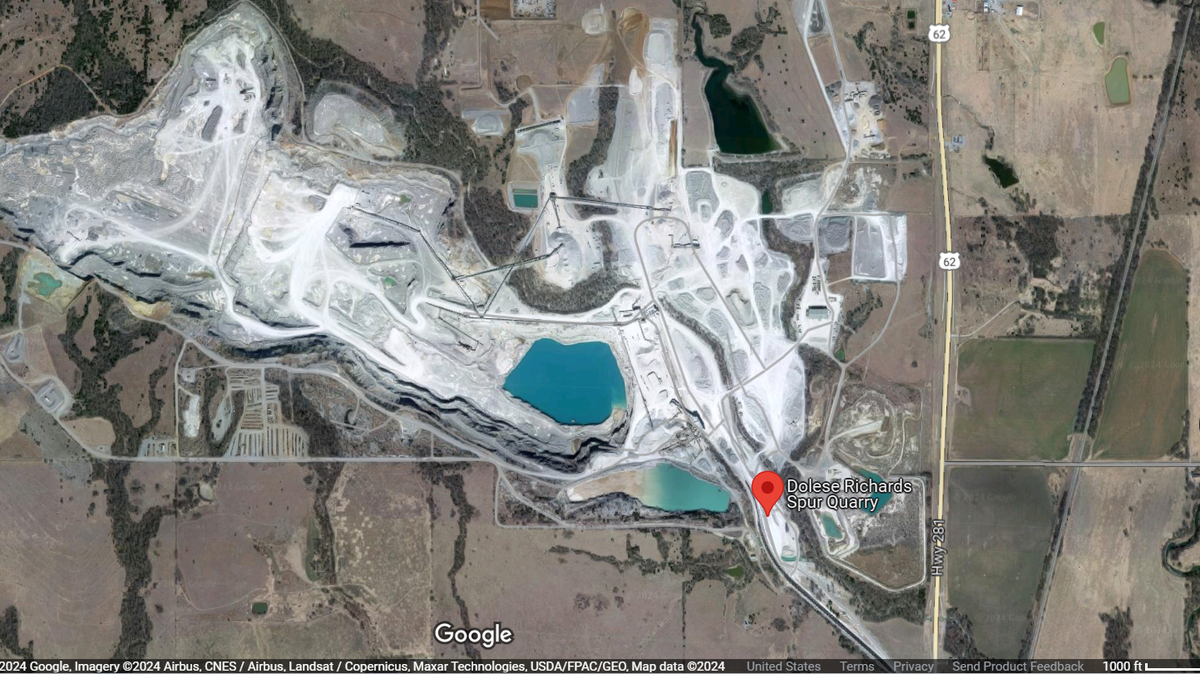
Researchers say the skin was well-preserved due to the unique conditions at the Richards Spur cave system in Oklahoma.
“The Richards Spur locality in Oklahoma preserves the richest, most diverse assemblage of exclusively terrestrial vertebrates for the Paleozoic Era,” according to the study.
The piece of fossilized skin is from the Paleozoic Era, scientists say. The paleozoic era dates back 541 to 252 million years ago, ending roughly seven million years before non-bird dinosaurs appeared, according to the Natural History Museum.
This is the first record of a skin-cast fossil from the Paleozoic era, according to the study, a period which saw many species transition from living in water to life on land. The discovery could provide “critical first evidence” of anatomical changes in species as they adapted to make that change, the study says.
In other words, skin had to adapt in order for creatures to make the leap out of water, according to researchers, as “impermeable skin and epidermal scales, were essential innovations.”
Richards Spur is near Elgin, which is about 80 miles southwest of Oklahoma City.
This story was originally published January 22, 2024 at 11:04 AM with the headline "Fossilized piece of skin — older than dinosaurs — found in Oklahoma cave, study says."