Toddler had battery in throat for 5 weeks, parents say. Now he’s trying to eat again
Just after his first birthday, Luke McMillan started to have a fever. He was rubbing his ears and seemed uncomfortable.
The “energetic” toddler was prone to ear infections, his mother Erica McMillan said, so when she brought him to the pediatrician, he was given antibiotics and sent back to their Mesa, Arizona, home.
Luke seemed to get better, but soon he was struggling to keep down solid foods. He would swallow, but then would gag, so his family had to switch to pureed options to make sure he was eating.
“We just assumed it was a side effect because he’s kind of done that before where he doesn’t really want to eat anything,” Erica McMillan told McClatchy News in a Feb. 10 phone interview.

But, after finishing the antibiotics, Luke still was struggling, so his mom took him back to the doctor. The doctors couldn’t find anything else that would explain the trouble swallowing.
“They wrote it off as reflux and gave us a prescription to give him for that, but it just didn’t feel right,” she said.
Call it a mother’s intuition or just gut instinct, but Erica McMillan knew there was something else going on.
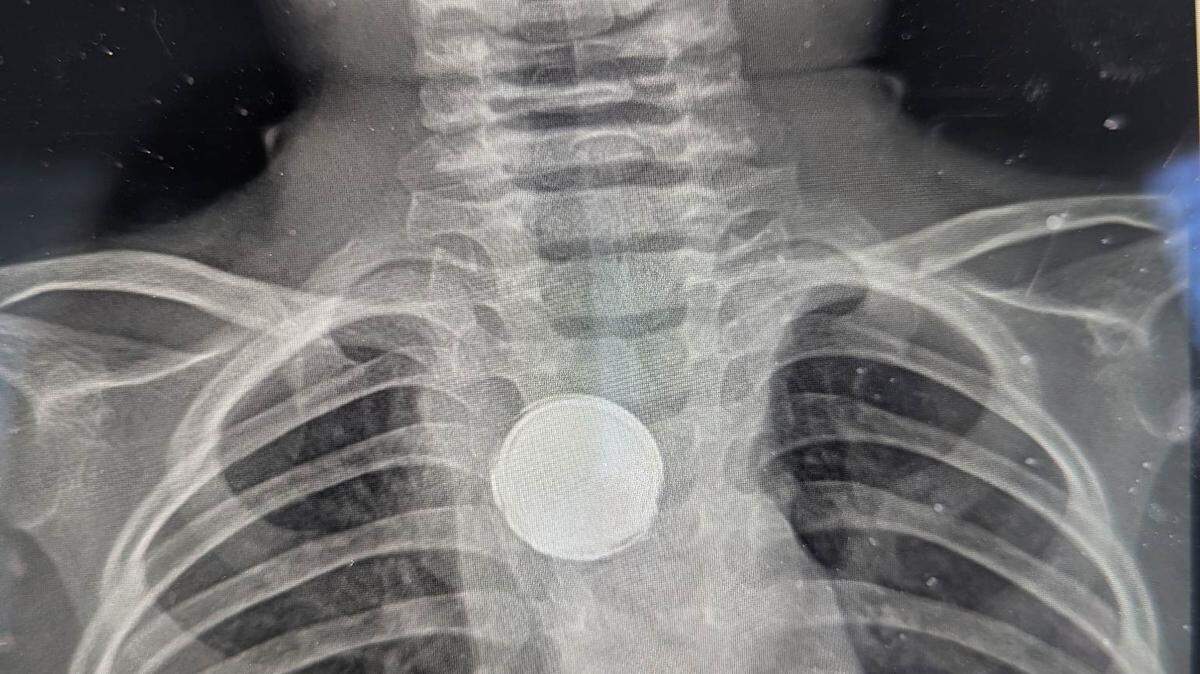
She took Luke to a different pediatrician, and this doctor ordered X-rays to take a look inside.
“I saw them get a weird look on their face,” she said.
The doctors asked if Luke had a collar with a button or if he swallowed a coin. When his mother said no, Luke was rushed to the emergency room.
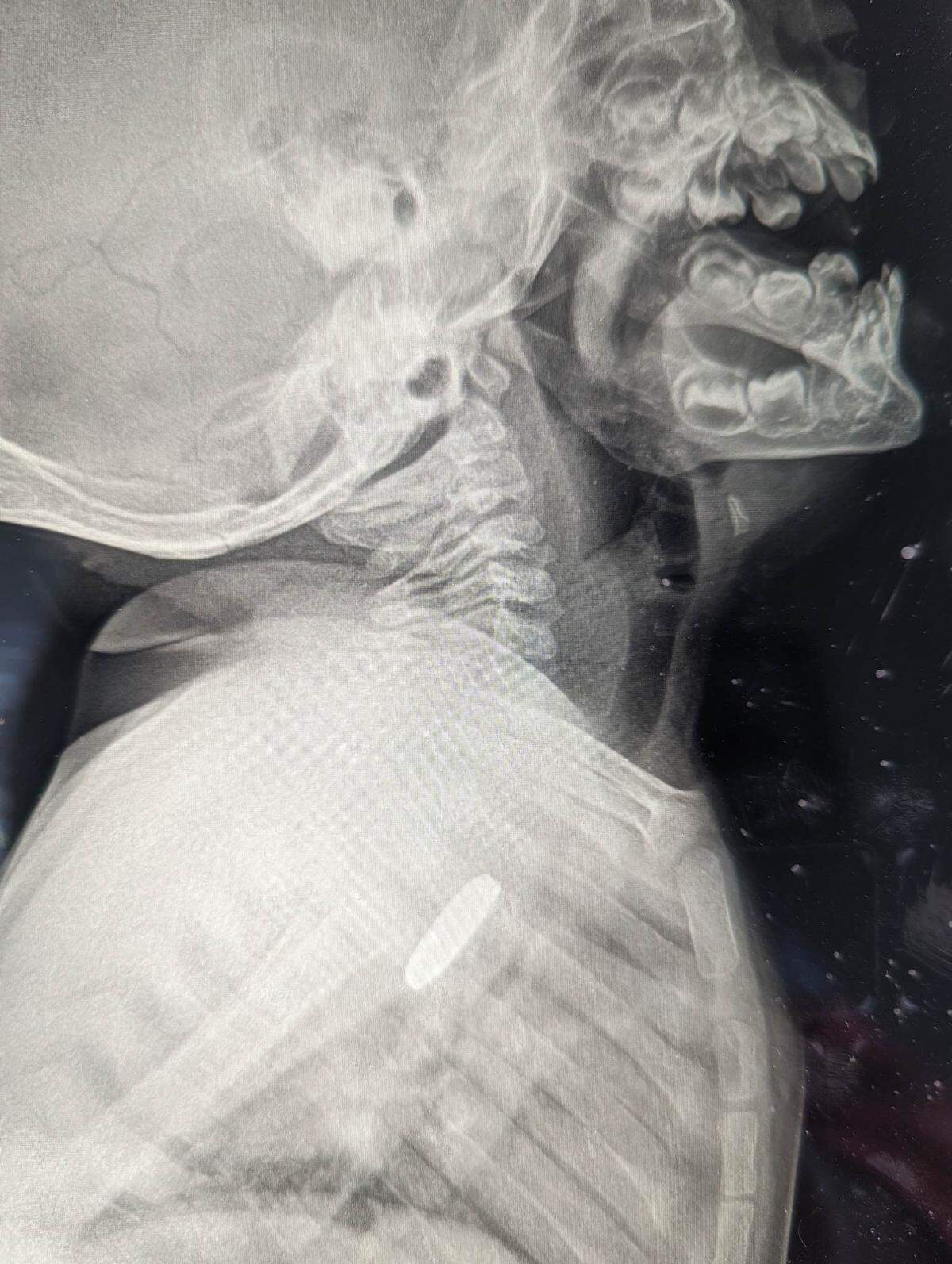
“(The doctors) were like, ‘there is no way it could be a battery because those … start corroding after just two hours,’” Erica McMillan said.
She said she and her husband don’t keep batteries in the house. Luke has four older brothers, so the McMillans keep batteries out of reach or not at all.
After a surgeon was called in to take a look, Erica McMillan said they told her there was something silver down there, but it was so stuck it would be dangerous to try to pull it out without a full team, in case something went wrong.
The next day Luke was taken into surgery, and doctors warned the McMillans that there was a chance Luke wouldn’t survive.
Erica McMillan said the surgeon told them the surgery would likely take about four hours. An hour into surgery, however, she came to talk to the McMillans.
“She came out after an hour and I was like, ‘I do not want you out here’ because that was way too soon,” Erica McMillan said.
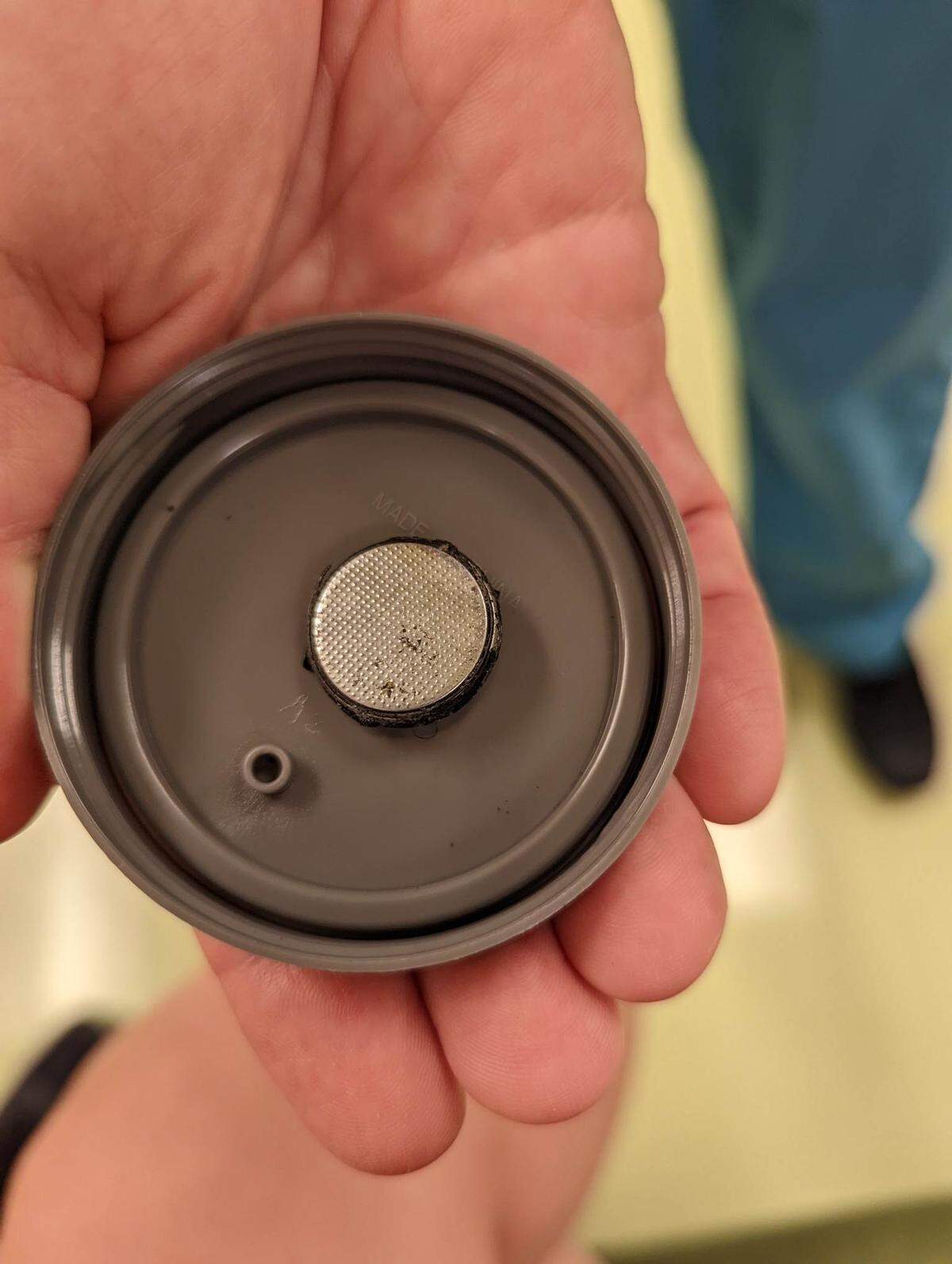
The surgeon told them they had found a lithium battery stuck to the inside of Luke’s esophagus, but it was wrapped in electrical tape, something that likely saved his life.
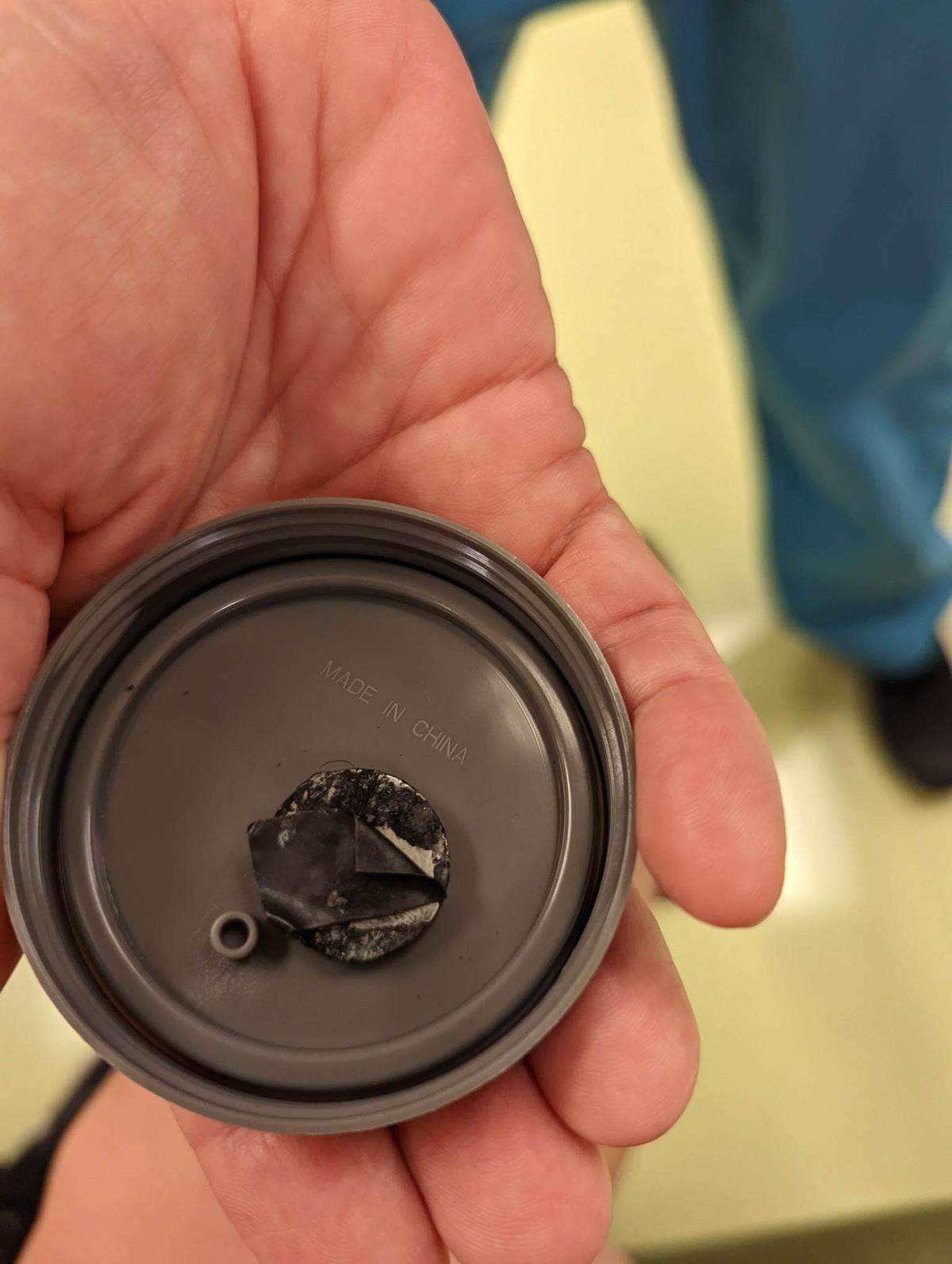
The battery had sat in Luke’s throat for five weeks by the time it was removed, so while it didn’t kill him, it still damaged the esophageal tissue. The next steps are to try to put that tissue back together.
Erica McMillan said the surgeons in Arizona had been working over the past months to slowly enlarge Luke’s throat again, but the surgery is invasive and has long recovery periods.
The McMillans found a clinic that would offer a different approach, less aggressive over time, in Utah, but their insurance won’t pay for the out-of-state surgery.
“He was able to eat a banana the next day,” Erica McMillan said of Luke’s first surgery at the Utah clinic, “which was the first time in six months, so we have noticed a huge change in just that one.”
Erica McMillan’s mother, Kim Daley, set up a GoFundMe to try to offset the cost of the surgeries that are helping Luke eat again.
“He’s definitely still such a happy kid,” his mom said. “He’s just such a sweetheart and I mean, his laugh will just light up any room.”
Her advice?
“Definitely be aware of what types of batteries you have in your house. I mean, button batteries are everywhere,” she said. “We’ve gone through all of our toys and are taking out everything that has those type of batteries and we just don’t have them anymore.”
“The risks of having them far outweigh, you know, the one toy that is there,” she said.
What to know about battery safety
More than 3,500 people from all age groups swallow button batteries every year, according to the National Capital Poison Center, and experts say it is important to call a battery ingestion hotline immediately if you suspect someone you know has ingested a button battery.
Button batteries are often found in hearing aids, watches, toys and games, singing greeting cards, flashing jewelry, remote control devices and other items.
Most batteries can pass on their own, but it is important to watch out for fever, abdominal pain, vomiting or blood in stool. Young children and older adults are most at risk for complications from ingesting a battery, which can cause permanent damage or even death.
This story was originally published February 10, 2023 at 2:47 PM with the headline "Toddler had battery in throat for 5 weeks, parents say. Now he’s trying to eat again."