
Orca pod resurfaces off Canada coast after 20-year hiatus, official says. But why?
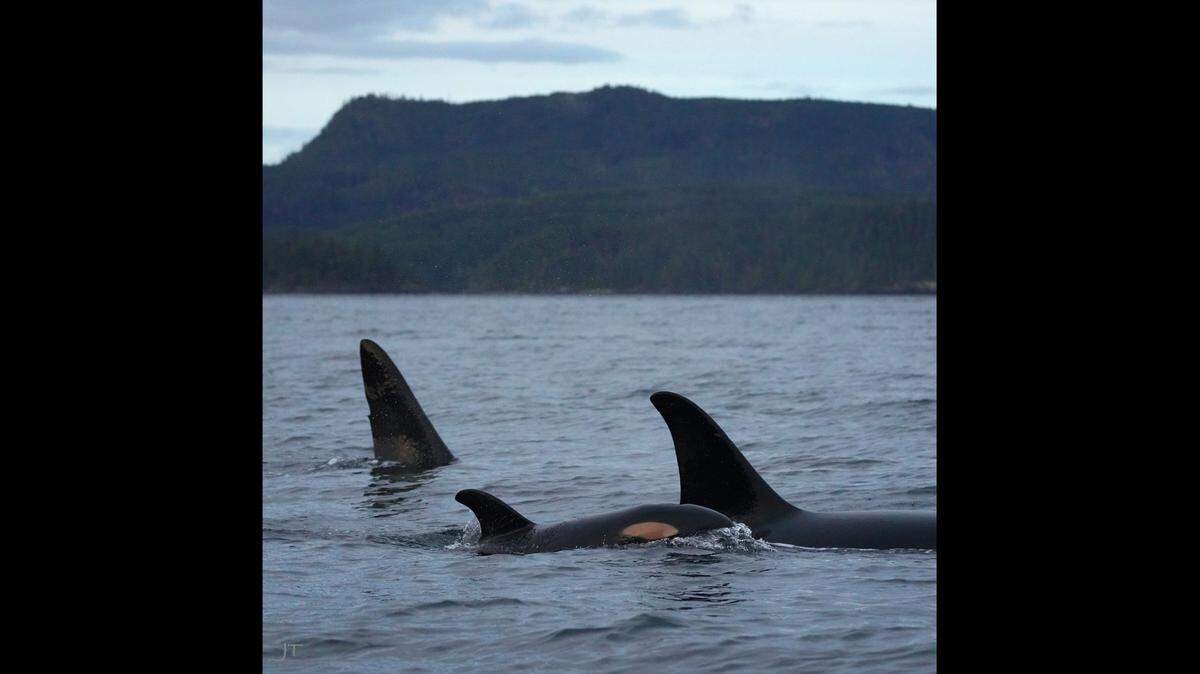
A pod of orcas disappeared from its traditional foraging habitat off the coast of British Columbia for more than 20 years, but it recently reappeared, according to Fisheries and Oceans Canada.
Researcher Jared Towers captured photos of the nine northern resident orcas in the Broughton Archipelago on Monday, he told McClatchy News in a phone interview. They are part of two families, known as the A23 and A25 matrilines, in the A5 pod, according to Towers.
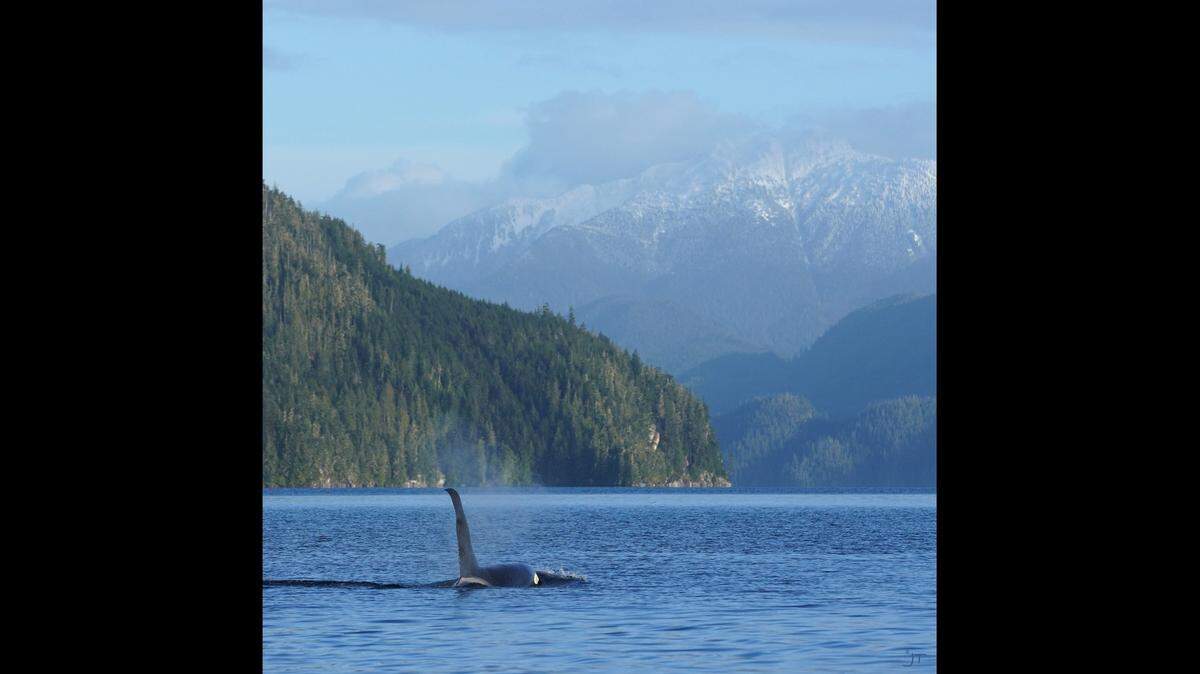
Other whales are still recorded in the area frequently, but this pod had a long history of being there, Towers said.
What drove them away
The area has increasingly become occupied by salmon farms, which started using acoustic harassment devices (AHD) to deter harbor seal predation in 1993, according to a study published in 2002 by the International Council for the Exploration of the Sea’s Journal of Marine Science.
The method resulted in “long-term whale displacement by acoustic pollution,” because the sounds can physically harm marine mammals, “causing permanent hearing impairment,” the study says.
“Acoustic harassment ended in the Broughton Archipelago in May 1999 and whale occurrence re-established to baseline levels,” according to the study.
The northern resident killer whales are considered threatened in Canada, Towers told McClatchy in an email.
Why this pod returned
“One can only infer that the whales are reclaiming traditional foraging habitat,” Towers said.
Conservationists are still working to protect the orcas’ “prey and habitat” and to “mitigate threats to their survival,” according to Towers. Officials are using a number of strategies, “from restricting vessel activities, to reducing vessel noise to restricting human harvests of their preferred prey, etc.,” Towers said.
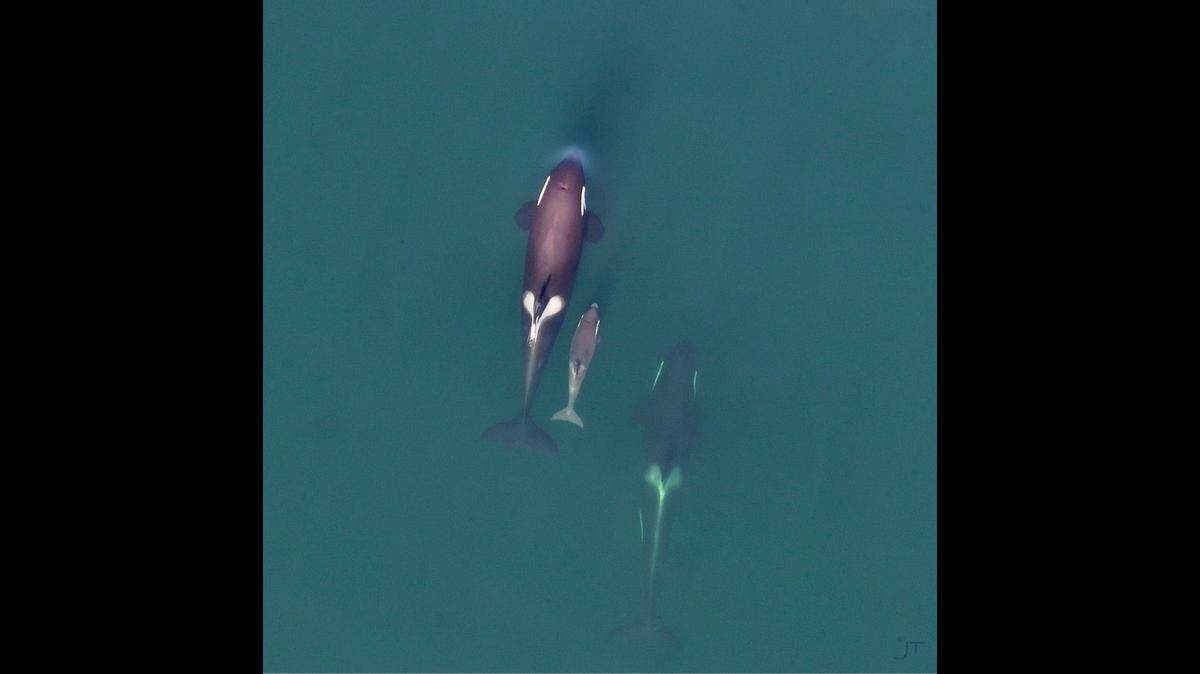
The northern resident killer whales “face the same threats as the southern residents, but their population is generally faring better largely because much of their habitat is more pristine and unaffected by human development,” according to Towers.
Trials of the “residents”
Resident killer whales eat fish and are mostly found along the coasts of the North Pacific Ocean, the Marine Mammal Commission says. Three resident populations live in the eastern North Pacific, including the Alaska residents, northern residents and southern residents, according to the commission.
The southern residents, the smallest of the resident populations, are usually found near British Columbia, Washington and Oregon, but they also travel along the outer coast to forage, the commission says. There were 74 southern resident killer whales as of September 2020, according to the commission.
The southern resident population has declined steadily over the last 20 years and “is most likely due to three distinct threats: decreased quantity and quality of prey, the presence of persistent organic pollutants and disturbance from vessel presence and noise,” the commission says. Southern residents were listed as endangered under the Endangered Species Act in 2005, according to the National Oceanic and Atmospheric Administration Fisheries.
This story was originally published January 8, 2021 at 3:31 PM with the headline "Orca pod resurfaces off Canada coast after 20-year hiatus, official says. But why?."