
Man who admitted to 2023 Bellingham park murder learns his fate at sentencing
AI-generated summary reviewed by our newsroom.
- Elijah Belmont received a 16-year sentence after pleading to second-degree murder.
- Prosecutors accepted a plea deal due to trial risks tied to geofencing evidence.
- King’s family expressed grief during sentencing but aims to begin a path to healing.
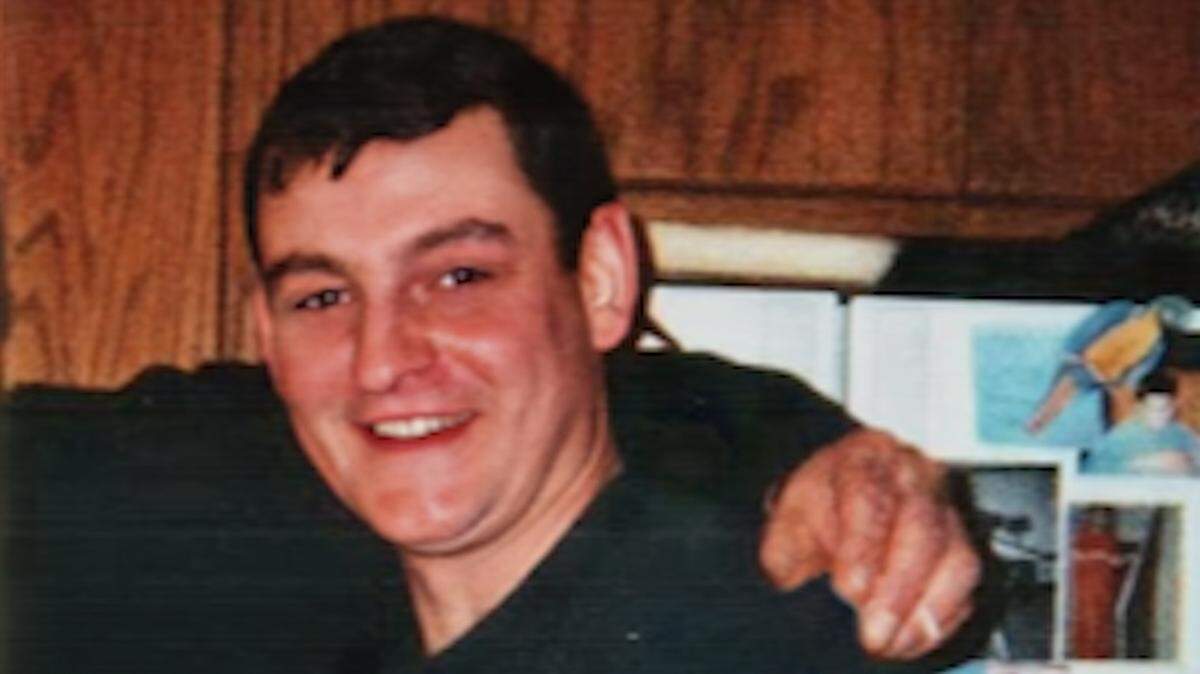
Henry Howard King was loved by all who knew him.
The 48-year-old grew up in Bellingham and was known as “Hank” to those close to him. His mother died when he was a child, and he was taken in by a foster family while other relatives were located. He stayed close with his foster family even when he lived with his grandmother.
Despite the trauma he endured, King’s foster mother, Nancy Williams, said he was “a bright light to everyone.”
“He had this profound positive impact on people,” she said.
King began to pull away from his family in his 30s due to worsening mental illness, Williams said. He struggled to keep jobs and housing, and was known to frequently spend time and sell sports cards at a bench in Boulevard Park.
On March 12, 2023, at around 4 a.m., King died on the boardwalk between Taylor Dock and Boulevard Park from multiple gunshot wounds. His body and personal items were found floating in Bellingham Bay about three hours later.
His killer, 23-year-old Elijah James Belmont of Marysville, learned Thursday he will spend 16 years behind bars for the murder.
Belmont pleaded guilty to second-degree murder in Whatcom County Superior Court on Monday, and was sentenced by Judge Robert Olson on Thursday morning. Olson followed the agreed-upon plea bargain, which was in the middle of the standard sentencing range for the crime.
Plea bargain
Chief Criminal Deputy Prosecutor Erik Sigmar said the sentence —less than what King’s loved ones were pushing for — was still “significant” for someone of Belmont’s age with a lack of a criminal record.
He said the plea deal “doesn’t diminish Henry King in any way,” and that if the case had gone to trial, it’s possible that Belmont wouldn’t have faced any prison time at all. Belmont’s arrest on Dec. 6, 2023 relied on a method of cell phone tracking called geofencing, which does not always hold up in court.
Sigmar said it was also likely that a trial would have ended with a conviction of second-degree murder — the lesser crime that Belmont pleaded guilty to — rather than the first-degree murder Belmont was initially charged with.
Belmont did not provide any statements at his sentencing “out of respect for the family.”
Kira Zardis, Williams’ daughter and King’s sister, told the courtroom that her family was “irrevocably shattered” by King’s death.
“This is a cruelty that defies understanding,” Zardis said.
Olson said he was “certainly moved” by what King’s family said at the sentencing, but ultimately agreed with the plea bargain. He said rejecting the deal would be “haphazard at best” and would likely lead to a traumatizing trial.
He ordered Belmont to pay restitution of $6,620 with the potential for additional money requested by the family. Following his 16-year sentence, Belmont will spend three years in community custody. He will also be prohibited from owning a firearm.
Moving forward
“It’s kind of hard to find words,” Zardis told The Herald following the sentencing.
She said she was devastated, but also glad that the sentencing is behind her. She said that even if Belmont got the maximum sentence, she didn’t know if she’d feel any differently.
Zardis said she sometimes struggles to recall good memories with King, instead getting stuck in a mental loop thinking about how he died.
“How did he feel in those moments? Did he know he was loved?”
Zardis and Williams said they will try to work on forgiving Belmont moving forward, even if it’s difficult.
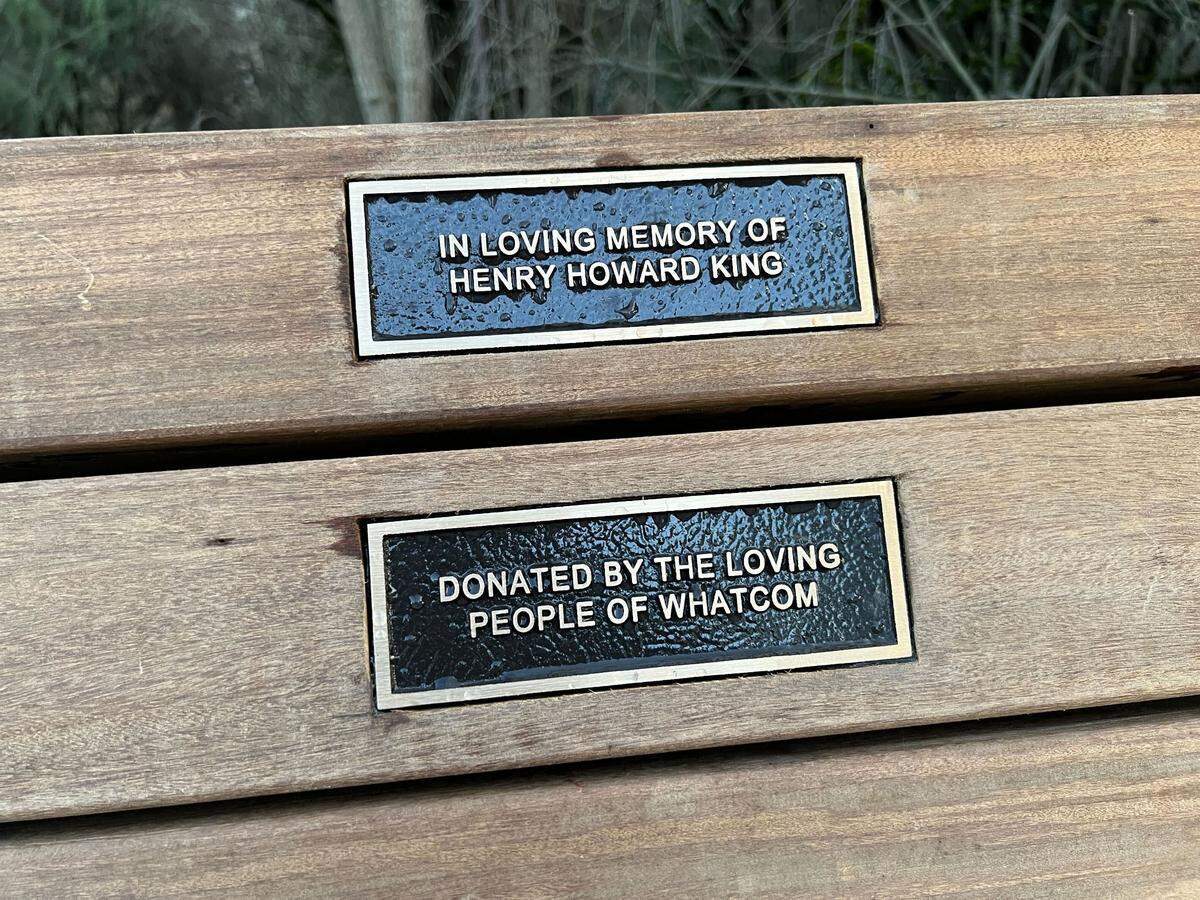
Zardis plans to visit King’s memorial bench in Boulevard Park soon to “let him know he can be at peace now.”
This story was originally published May 22, 2025 at 12:48 PM.