Want a piece of Bellingham’s treasured I-5 rock? They’re free for the taking
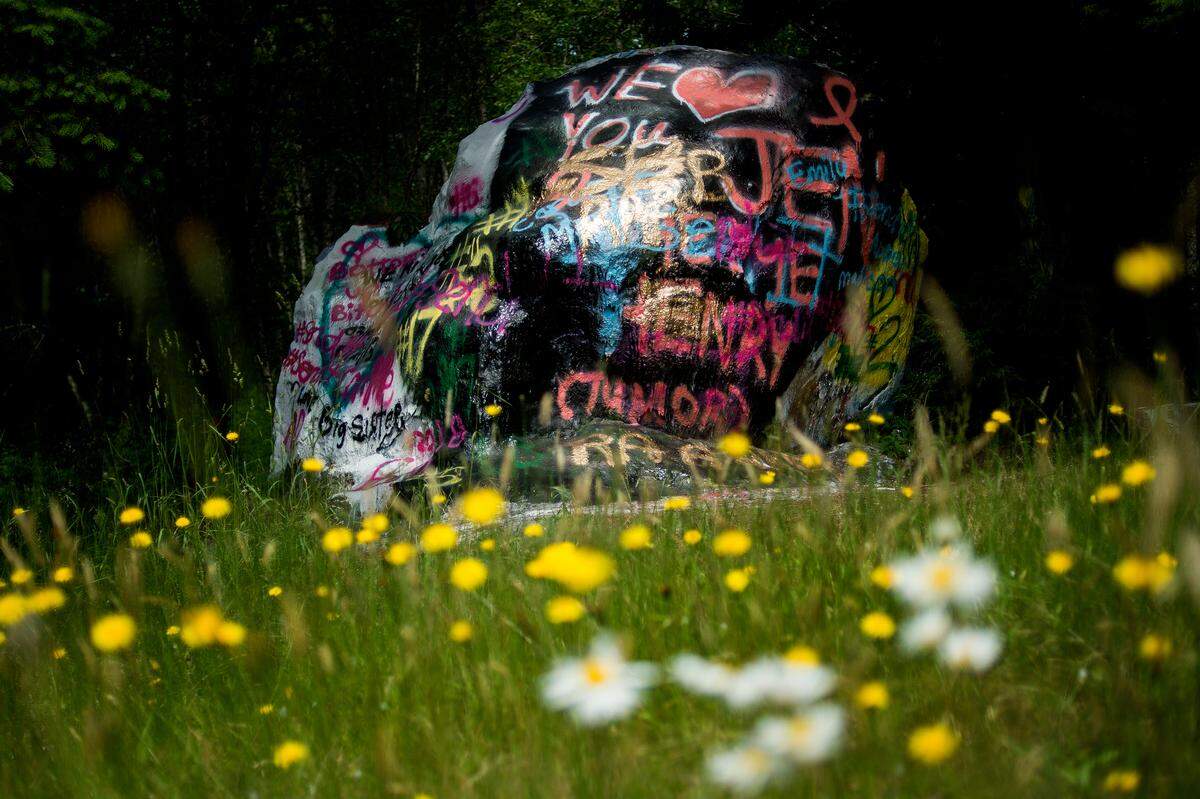
After breaking the Interstate 5 Rock into pieces too small to serve as a community message board in another location, state officials are instead offering palm-sized chunks to anyone who wants a keepsake.
More than 1,000 pieces of the iconic graffiti-covered rock — which stood as a landmark for more than 50 years — will be given away free from 9 a.m. to 3 p.m. Saturday, July 11, in the parking lot at Civic Stadium, 1445 Puget St., the Washington State Department of Transportation said in a statement.
Rock pieces will be limited to one per person until 2 p.m. The distribution could end earlier than 3 p.m. if all the pieces are gone, WSDOT said.
An online waiver is required by noon Friday, July 10, from each person who wants to get a rock, WSDOT said.
To receive a rock, enter the Civic Stadium parking lot from Orleans Street on the west side and exit using Puget Street on the east side of the lot.
WSDOT destroyed the I-5 rock in May, saying that it was in the way of a three-year $160 million construction project to widen culverts and bridges over several salmon-bearing streams along a 6-mile stretch of freeway through Whatcom and Skagit counties.
Officials said they tried without success to arrange for a place to relocate the 8-foot-high and 100-ton boulder, which had been located along the northbound side of I-5 near the Lake Samish exit since the mid-1960s construction of the freeway. Generations of Bellinghamsters painted it to reflect community and cultural events, such as high school graduations, marriage proposals and birthdays — or to mourn a loved one’s passing. It was first painted in August 1969.
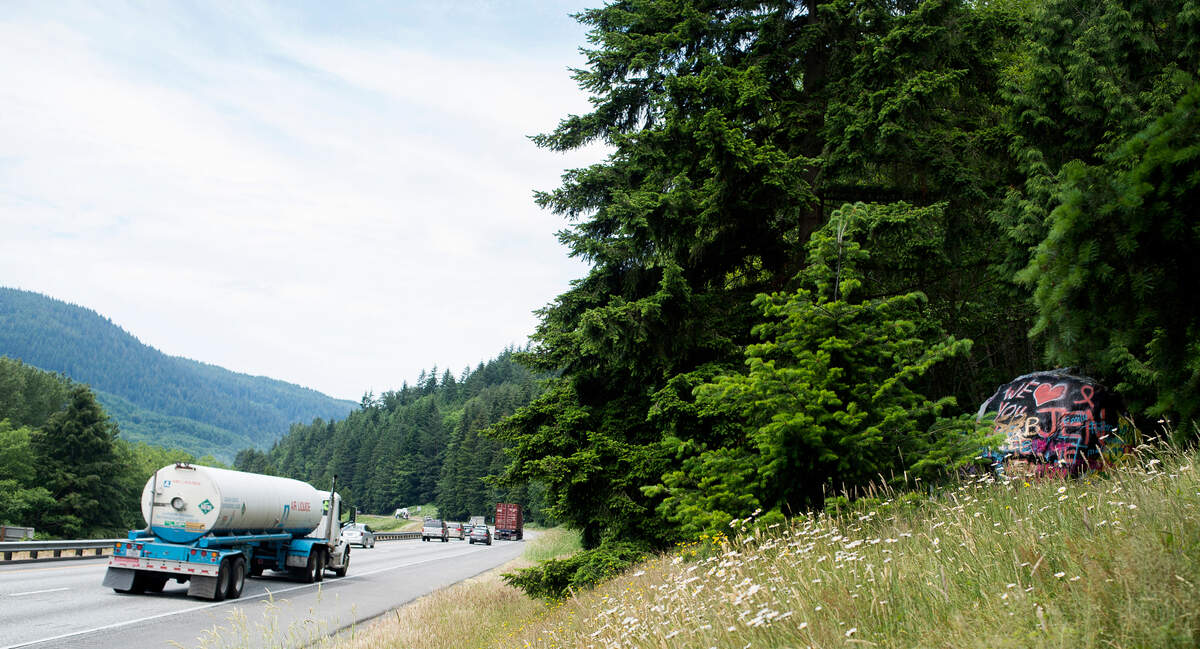
The Bellingham Herald made repeated requests to WSDOT to have its reporters watch the rock’s destruction and make photos and video as part of the historical record. Those requests were ignored and finally denied only after the rock was broken into pieces.
“WSDOT evaluated a range of options for relocating Bellingham Rock, including placement on publicly owned property. WSDOT-owned sites were ruled out due to access limitations, environmental and safety considerations, long-term maintenance responsibilities and the lack of infrastructure needed to support safe public access,” WSDOT said in a statement Thursday.