
There’s an EV car-share program emerging in Bellingham. Here’s how it will work
The city of Bellingham is preparing to launch an electric vehicle car-share program that will be available to anyone in the community.
The city plans to purchase three electric vehicles: a sedan, a truck and an ADA accessible van. The exact make and model of the vehicles has not yet been determined.
The vehicles can essentially be rented out as needed to members of the community who have requested them and paid a membership fee, according to city of Bellingham Climate Mangager Seth Vidaña.
“With this project, we’re reducing transportation emissions, lowering resident fuel and repair costs, and contributing to a cleaner, healthier environment for our community,” the city of Bellingham said in a news release.
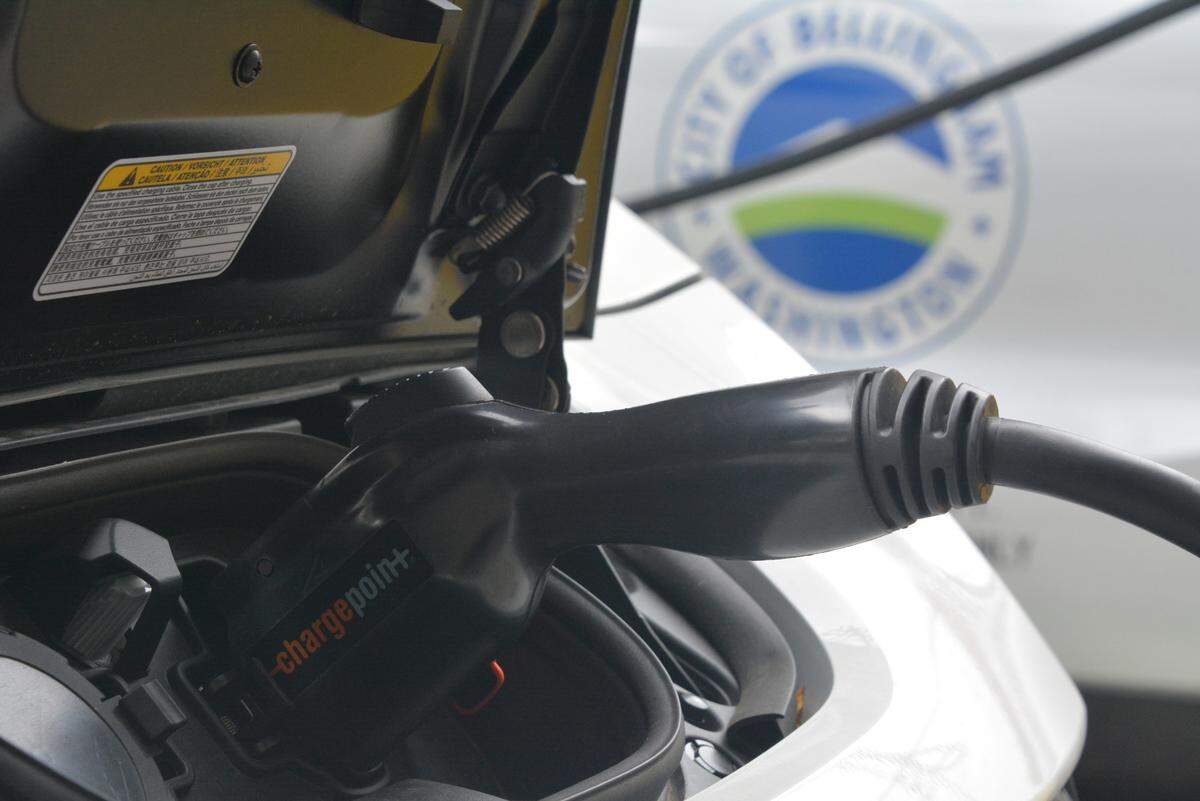
A car-share program means the vehicles will not be owned by any specific person or organization but rather will be co-operatively and collectively owned, maintained and used by the members of the program, Vidaña told The Bellingham Herald in an interview.
The initial program membership will include local nonprofit organizations RE Sources, Opportunity Council and the Bellingham Food Co-op, with the hope that more organizations will join in the future, Vidaña said. The vehicles will be parked at the three local nonprofits, but it will not be owned by them directly.
The program is made possible through a $630,000 Transportation Emission Reduction grant from Puget Sound Energy to the city of Bellingham in April. The money will be used to start the program, but because the program is community owned, PSE will not have a direct hands-on role, according to Vidaña.
“The city will set it up, and once it is set up it will become the property of the membership,” Vidaña said. “This is not intended to be a city of Bellingham program.”
Anyone, organization or individual, can become a member of the co-op and rent the vehicles for membership prices. People who are not a member of the co-op can still rent the vehicles, but for a higher price, according to Vidaña.
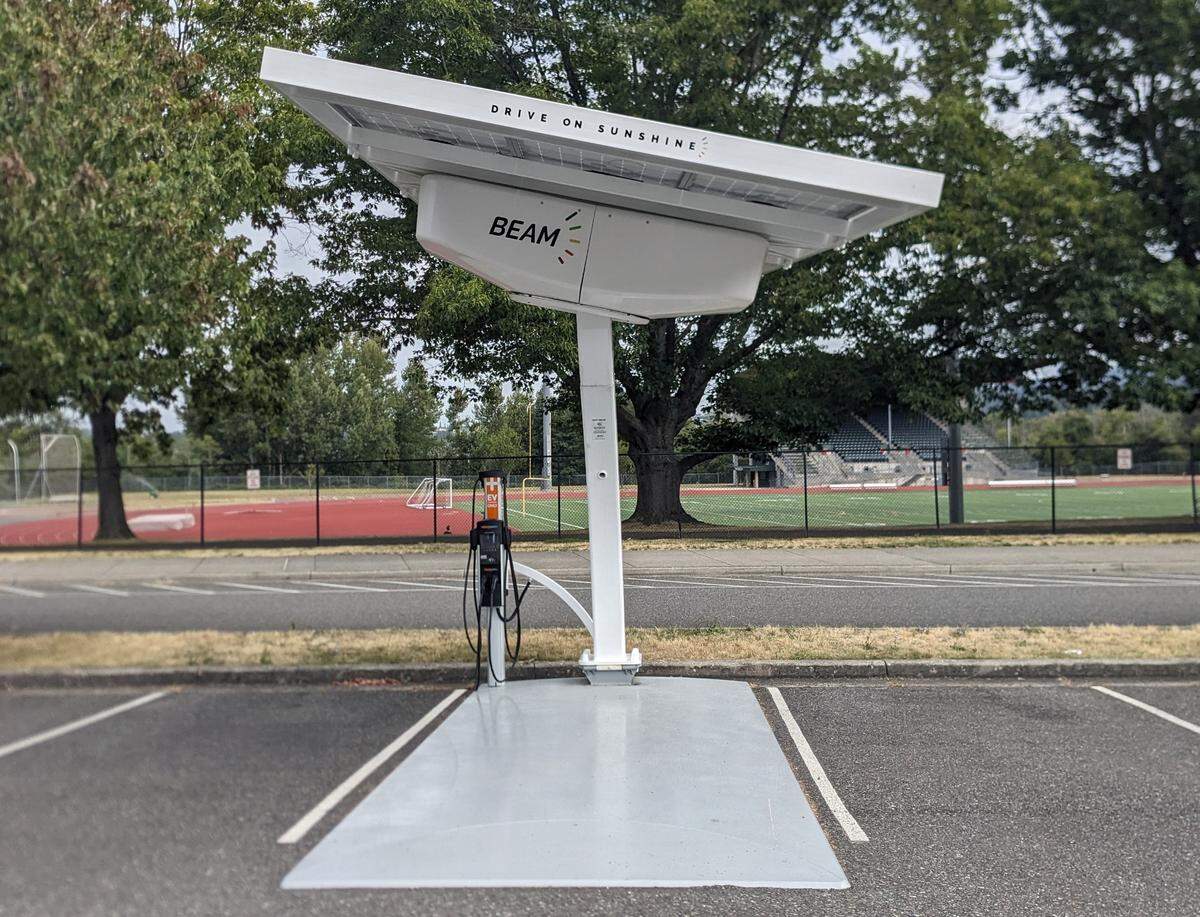
“The vehicles are parked at the nonprofit organizations to service the nonprofit organizations that partnered with us on the grant and maximize vehicle use (which helps fund and expand the co-op), but they will be open to anyone with a membership as well as anyone without a membership but at a higher rate for non-members,” Vidaña said in a follow-up email to The Herald.
Rates have not been determined, but the goal is to set them so they’re significantly less expensive than a standard car rental or car-share service, according to Vidaña.
Vidaña said they hope to have the program operational by late September or October.
.jpg)