
Bellingham is using plant-killing chemical to control weeds in parks. Is it safe?
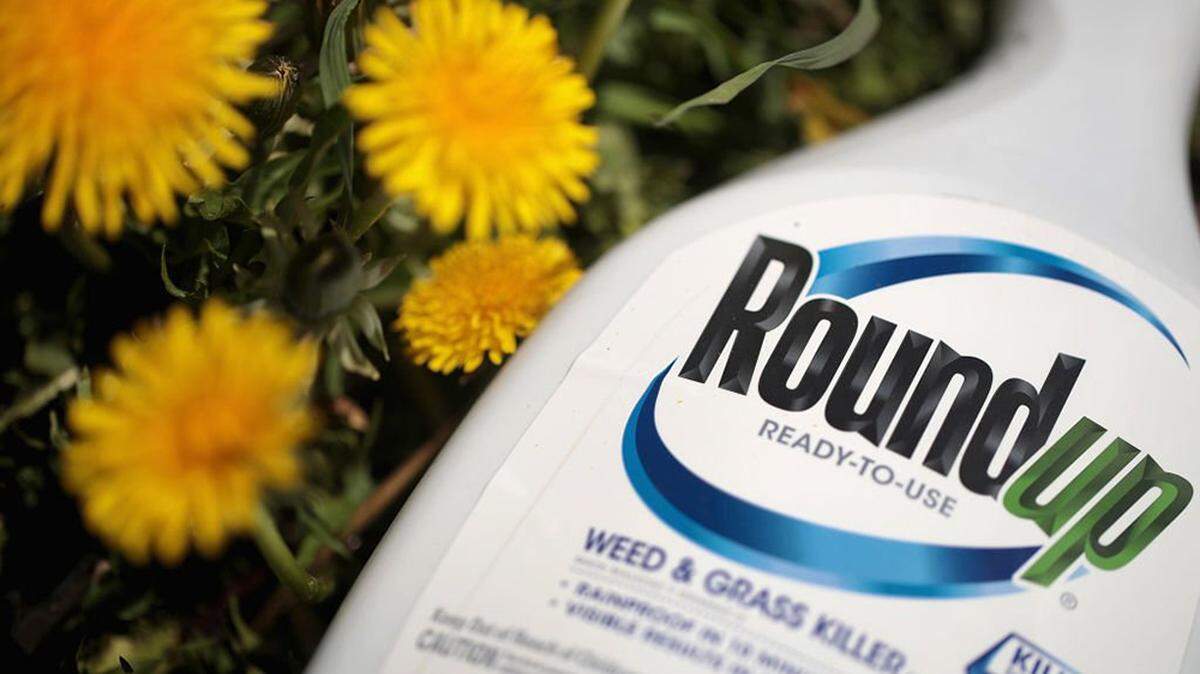
Weeks after a Bellingham resident spotted a sign about pesticide spraying near Fairhaven Park, locals are asking if the chemical is safe.
NextDoor user John W. of Bellingham said he was “quite surprised” to see a sign about glyphosate use along Padden Creek.
“Why would the Parks (Department) spray glyphosate along the creek bed slopes to control weeds?” the NextDoor user wrote in an April 9 post. “This noxious chemical poses a threat to the environment as well as to those who apply it. What was the thought process involved with using this along this important waterway?”
What is glyphosate? How does it affect you?
Here’s what to know:
What is glyphosate?
“Glyphosate is a widely used herbicide that controls broadleaf weeds and grasses,” the U.S. Environmental Protection Agency said.
It’s been registered for use as a pesticide in the United States since 1974, the National Pesticide Information Center said.
Glyphosate is the main active ingredient in most store-bought weed killers, such as Roundup.
The chemical, which is used in everything from lawns and landscaping to agriculture and forestry, will “kill most plants, the National Pesticide Information Center said.
“It prevents the plants from making certain proteins that are needed for plant growth,” the center explained.
How can I be exposed to herbicide?
According to the National Pesticide Information Center, you can be exposed to glyphosate if you “get it on your skin, in your eyes or breathe it in when you are using it.”
“You may also be exposed if you touch plants that are still wet with spray,” the center said.
In addition, you might accidentally ingest glyphosate if you eat or smoke after applying the chemical without first washing your hands.
Is pesticide harmful to humans or pets?
Pure glyphosate is “low in toxicity,” the National Pesticide Information Center said, although products containing the chemical can irritate your eyes, skin, nose or throat.
Swallowing products with glyphosate can result in burns in the mouth and throat as well as “nausea, vomiting, and diarrhea,” the center said.
In addition, pets can get sick if they touch or eat plants wet with spray from glyphosate products.
“Animals exposed to products with glyphosate may drool, vomit, have diarrhea, lose their appetite or seem sleepy,” the National Pesticide Information Center said.
Although glyphostate doesn’t pose a direct “health risk to animals and humans,” research indicates that exposure to the chemical or its commercial forms “induces several neurotoxic effects,” a 2022 study found.
Why does Bellingham use glyphosate?
The city of Bellingham maintains public spaces, including roads, sidewalks, trails, open spaces and parks, Stefanie Cilinceon, city communications and outreach coordinator, told The Bellingham Herald in an email.
Part of that entails managing the vegetation that grows in and around these areas, Cilinceon said.
“The city follows a herbicide use plan that guides how and when herbicides may be used to remove unwanted vegetation and support healthy, desirable plants,” Cilinceon said.
This plan was developed “with support from the Whatcom County Noxious Weed Program” and is modeled after the county’s Integrated Vegetation Management Plan, the city official said.
It includes the occasional use of glyphosate.
When a city staff member needs to use a herbicide, they get licensed by the Washington State Department of Agriculture and receive ongoing training to ensure they’re applied safely and effectively.
Glyphosate is used rarely in Bellingham, according to Cilinceon.
“For certain deep-rooted or highly persistent weeds, small, carefully applied amounts of glyphosate may be the only reliable way to eliminate the plant and prevent it from spreading,” Cilinceon said. “When we do use glyphosate, we use it only according to label guidelines, follow all state and federal regulations and apply it only under appropriate conditions by trained and licensed staff.”