
Whatcom County unleashed — what it’s like being on patrol for animal control
Officers from the Whatcom County Animal Control responded to 2,750 calls in 2025, according to statistics provided by the Whatcom Humane Society.
Animal control officer Kyle Berger told The Bellingham Herald the nonprofit receives about 20 to 30 calls a day regarding anything from a pet left in a hot car to an illegally owned alligator in a hotel bathroom (an actual report).
Whatcom County’s animal control is mostly organized by the Whatcom Humane Society.
“This is extremely beneficial to the animals and people of our community, as we can act as social workers for the animals, not just code enforcement or the old stereotype of ‘dog catchers,’’’ Executive Director Laura Clark said.
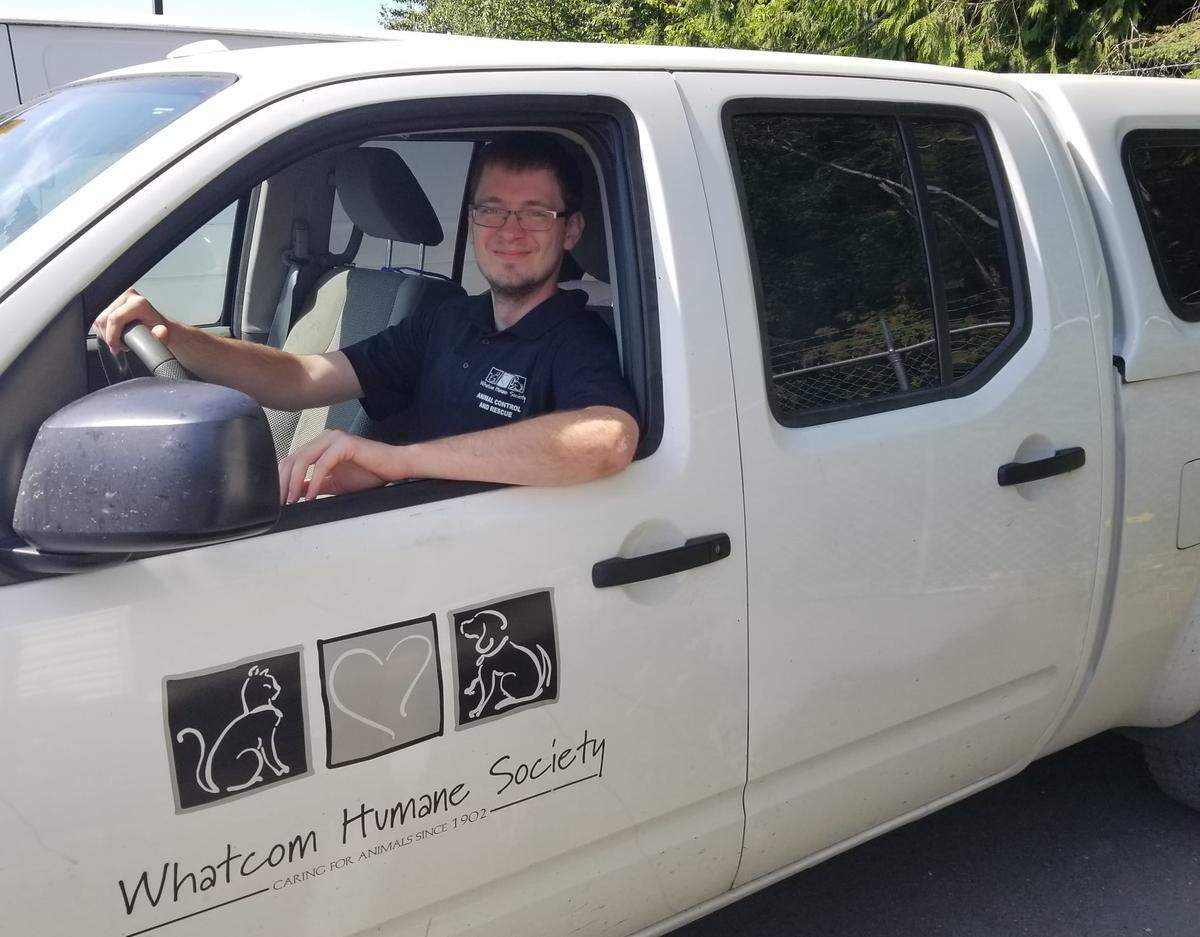
A common misconception in animal control is that officers and volunteers are looking for any excuse to take away someone’s pet, animal control officer Kyle Berger told The Herald.
“The number of people who think I am immediately going to take their dog, I’ve always found alarming,” Berger said.
Berger said the last thing he wants to do is take away a pet that someone might consider to be a member of their family.
“I like to think of us as your friendly neighborhood animal control,” Berger said.
Berger has been an animal control officer in Whatcom County for nearly a decade, and has worked at the humane society since 2013. There he had some exposure to the work animal control did, and went on a couple ride-alongs. When an opening came up in animal control, he figured it was a perfect fit since he loved working with animals and wanted to try new experiences.
There are many people who believe animal control can and will take away their pet if it is barking too loud or making too much noise. However, it takes a lot more than that to declare an animal as dangerous, and then even more in order to have the animal removed.
“It is still pretty common. I would say at least once a month or every other month, we have an incident where a dog needs to be declared dangerous or potentially dangerous,” Berger said.
Berger said the public has a misconception of what a dangerous dog is. It is not uncommon for someone to find a stray dog and take it in or help it without issue, only to learn it has been declared dangerous after they contact the Whatcom Humane Society.
Even when a dog is dangerous, it will usually be aggressive out of fear, Berger said. Though he brings a baton and a bulletproof vest with him on all calls, he has never needed them. He said he has only ever used the baton as a bite stick, not a weapon.
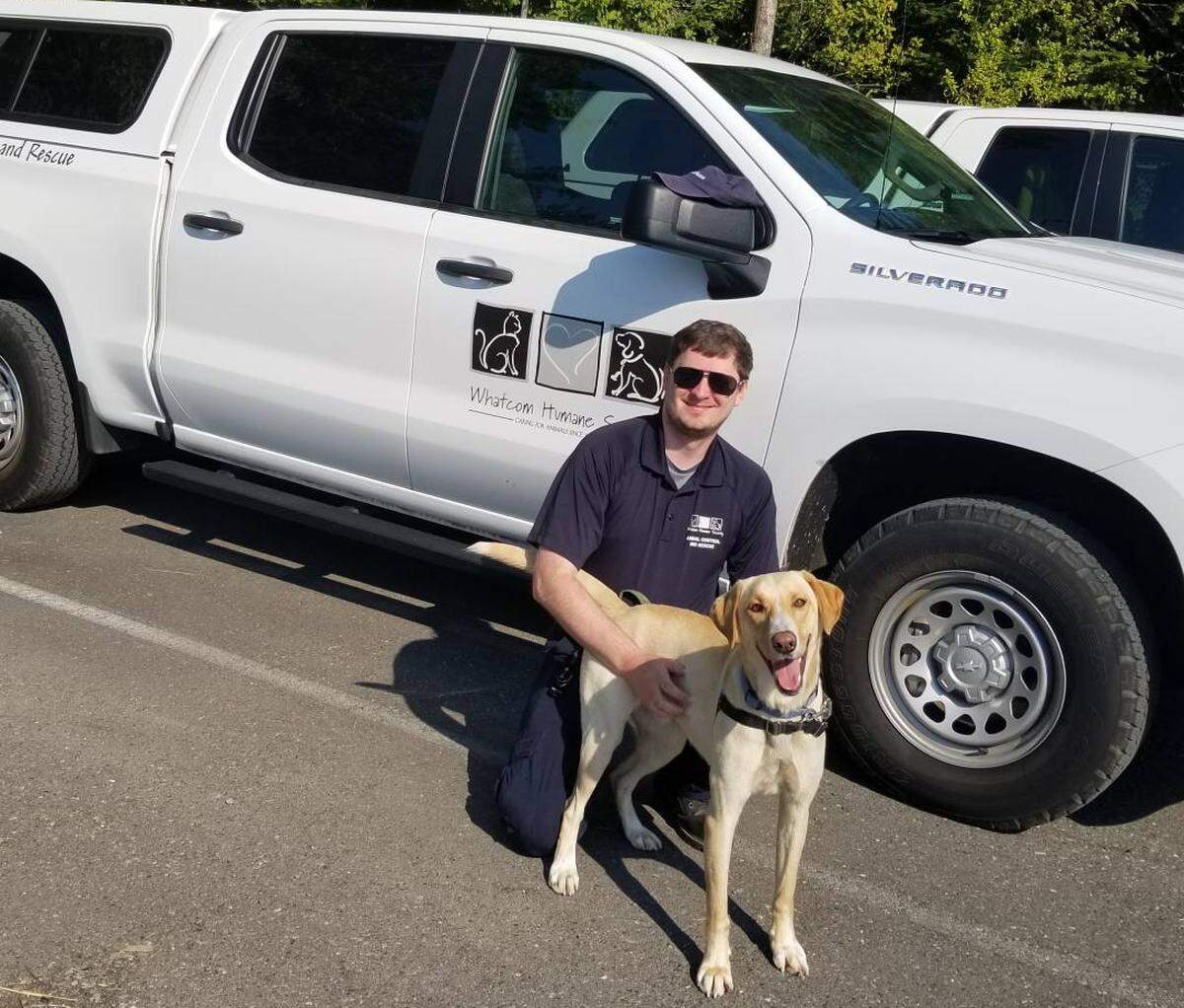
“To be perfectly honest, most of the dangers come from the humans,” Berger said. “That’s why we wear the vest. It’s not because we are worried a dog is gonna pick up a pistol and shoot us.”
When a dog is labeled as dangerous, or potentially dangerous, the designation is intended to put restrictions on the owner. The owner will have new guidelines put on them and their animal, so the dog should hopefully never be able to inflict a bite or an injury again.
A dog that has been declared dangerous will need to have a designated enclosure, usually a house, and anytime the dog goes for a walk or is outside the enclosure, it needs to have a muzzle and be on a leash, although the restrictions could vary depending on the animal and the situation.
“It comes down to kinda the owner’s responsibility and accountability,” Berger said. “I have had situations where the owners have been very on top of things. It could have been a somewhat understandable accident where the bite occurs. One of those things that, with some hindsight, everyone involved goes, ‘Oh man, I wish I had been paying more attention.’ You have people who take things very seriously and are responsible… and then you have other people who, unfortunately, whether they don’t believe in authority or disagree with the dog being declared (dangerous) over that incident. And what’s going to happen is we are gonna get another call about their dog, and then they are going to get in a lot of trouble because they weren’t taking those things seriously.”
Owners who don’t take the issue seriously usually are the one punished, not the dog, Berger said.
Even if someone violates the restrictions, the penalty is usually an infraction fine on the owner for the dog getting out, and a criminal penalty because the owner was not following the rules set in place to take care of a dangerous animal. The animal is not usually punished unless things get really bad, Berger said.
The dog will likely need to already have been declared dangerous or potentially dangerous, and then the animal control would need to petition the court in order to get it legally removed.
One way the court would allow the removal of the pet is if the owner repeatedly refuses to follow the rules for their dog set forth. This could be that they won’t put the dog in a muzzle or keep it on a leash. Animal control will continue to issue tickets to the owner, but there comes a point when they stop issuing tickets, and begin the process of removing the animal.
“If they continue to do this, then it’s a logical conclusion that somebody else is going to get bit, somebody else is going to get hurt, and therefore we need to step in,” Berger said.
Unfortunately, if a dangerous dog is removed, usually the only option for the dog will be euthanasia.
“Realistically, there is no way we could adopt them out. Even if we found the perfect owner who could follow the rules and sign all the liability waivers, we could only do that a handful of times before we exhausted all the people that fit that description,” Berger said.
This is rare, but it does happen one to three times a year, according to Berger.
In the ideal scenario, animal control would like to intervene in the scenario before they have to declare the dog dangerous, but a lot of that comes down to the dog owner and how much they recognize that the situation is a problem for the animal, Berger said. This usually means getting the dog into training and providing it with other resources it needs. The Whatcom Humane Society provides 24/7 animal control and rescue to the county, with an animal control department consisting of six full-time officers and a dispatcher. People should contact animal control whenever they are concerned at all about an animal. Law enforcement will contact animal control whenever there is an animal-related 911 call.
.jpg)