
What can you bring across the Canadian border from Washington? Follow these rules
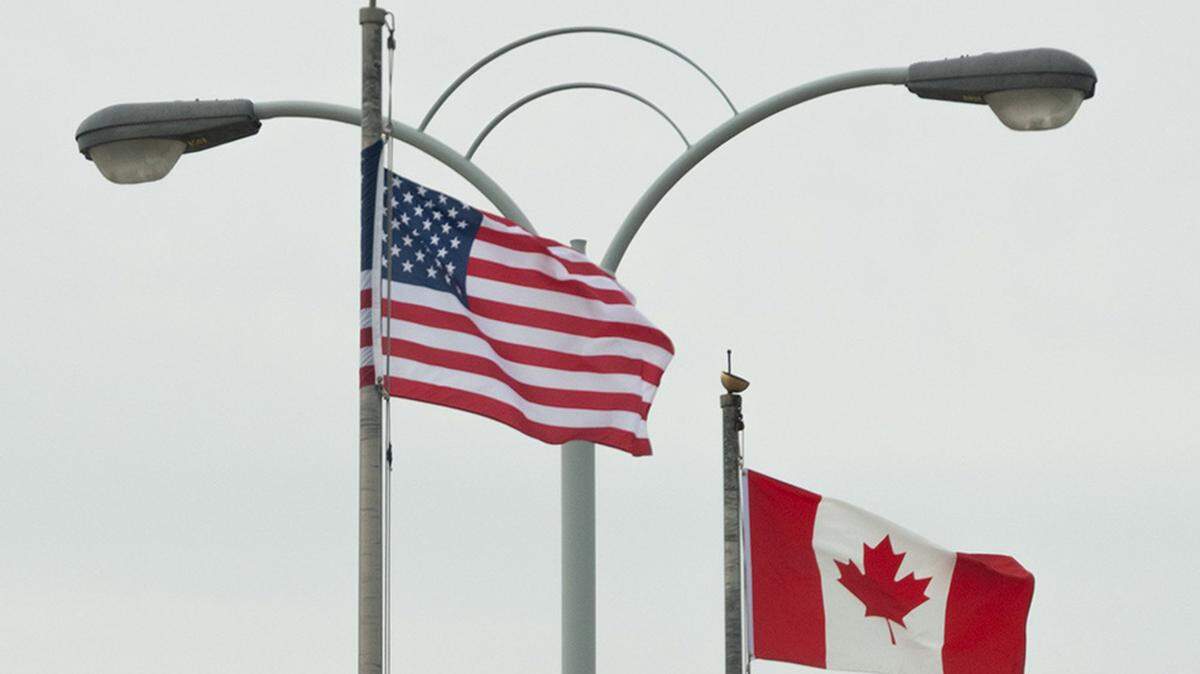
When you’re visiting Canada, whether you’re flying or driving, you’ll have to pay a visit to Border Patrol.
Whether it be through Peace Arch Park or through Sumas, there are certain rules and regulations about what you can and cannot bring into Canada from Washington.
Here’s what you need to know.
What can I bring into Canada that doesn’t need to be declared?
Declaring items at the Canadian border requires you to, “declare all of the goods you acquired while outside Canada, such as purchases, gifts, prizes or awards that you are bringing with you or are having shipped to you. Include goods that are still in your possession that you bought at a Canadian or foreign duty-free shop,” the government website says.
However, there are still some items brought into Canada that don’t need to be declared at border.
Personal items can be brought into Canada, according to the Canadian Government. Those include:
- Clothing
- Camping and sports equipment
- Cameras
- Personal computers and devices
- Mode of transportation (vehicle, boat, aircraft)
You won’t need to pay taxes or duties on your personal items as long as you declare all of it at the border and take all of it back when you leave. The Canadian Government also notes that personal goods can’t be used by a Canadian, given as a gift to a Canadian or left behind in Canada.
What can I bring into Canada that needs to be declared?
There are a number of products that you must declare when you enter Canada from Washington State. Those products include all fruit, plant and animal products. This includes pets.
Failure to disclose possession of these items could result in border patrol seizing your items — including pets — and a fine up to $1,300.
If you are bringing a gift for someone into Canada, it must be declared at the border. Alcohol or tobacco must be declared at the border as well.
You may need to pay taxes or acquire a permit for certain quantities of alcohol or tobacco products, according to the Canadian Government, including:
Alcohol
- 1.5 liters of wine or
- 1.14 liters of spirits or
- 1.14 liters of wine and spirits or
- 8.5 liters of beer or ale
Tobacco and vaping products
- 200 cigarettes
- 50 cigars
- 200 grams (7 ounces) of manufactured tobacco
- 200 tobacco sticks
- 12 vaping containers or fewer
- Maximum of 120 milliliters (liquid) or 120 grams (solid)
What can’t I bring into Canada?
According to Canadian Government website, the following cannot be brought into the country without the proper documentation.
- Cannabis
- Explosives
- Fireworks
- Ammunition
- Firearms
- Weapons
You may need to acquire a permit or written permission from a medical professional for the following
- Health products and prescription drugs
- Antiques or cultural objects that have historical significance to their country of origin
- Explosives, fireworks and certain types of ammunition
What if I’m unsure about bringing something into Canada?
If you are unsure about bringing an item across the border, the Canadian Government has a chart listing food items and potential restrictions.
“There may be restrictions on the items you bring into Canada for your own personal use. These restrictions vary depending on the item, the country it originates from and the Canadian province you’re bringing it to,” the website reads.
If you’re still unsure about what can be brought over the border, you can check Canada’s Automated Import Reference System for an in-depth guide on what to bring.