
Bellingham program offering first-responder mental health support a regional model
Every year, Whatcom County 911 dispatchers receive hundreds of thousands of calls. Depending on the situation, some of them are forwarded to law enforcement, while others go to fire and rescue. There are times, however, when neither is the best to respond to certain needs.
That’s where the Alternative Response Team comes in.
The Alternative Response Team (ART) is a group of six behavioral health specialists and a supervisor who respond to behavioral health-related calls in Bellingham that don’t involve someone being a danger to themselves or others.
ART is the first program of its kind in the state, and last month members celebrated its third year in operation. The team responded to 2,120 calls in 2025, according to the county.
How does ART work?
The process begins at Whatcom County’s 911 dispatch center, also called What-Comm. The center’s deputy director, Justin Rasmussen, said someone from ART works on the dispatch floor to help field calls when they come in.
Rasmussen said all 911 calls are logged as usual; then, if there’s a behavioral health component, the dispatcher will confer with the ART member about what the best response is. If the call qualifies for ART, two behavioral health specialists will be dispatched to the scene.
If the situation escalates or the behavioral health specialists realize they need backup, they can call for law enforcement, EMTs or a designated crisis responder for support. However, only about 3% of calls that ART has responded to have required police to join them, according to Malora Christensen, manager of Whatcom County Health and Community Services (WCHCS)’s Response System Division.
“As a public safety telecommunicator, there’s nothing worse than feeling like the person on the other end of my line needs some sort of service that we just don’t have quite the right tool for,” Rasmussen said.
He said that having ART as a response option has been “fantastic,” and by working together, they’ve been able to avoid friction points that other similar programs have dealt with.
ART currently operates from 8 a.m. to 6 p.m. weekdays, though Rasmussen and others involved would like to see its hours expanded if possible. Rasmussen said he’d also like to see the program expanded beyond Bellingham.
While Christensen said the county is in favor of expansion as well, it’s a question of funding and capacity.
“It’s an uncertain time, and we don’t know what we’re going to be able to do moving forward,” Christensen said.
ART’s formation
Christensen said discussions about ART began after George Floyd was killed by Minneapolis police in May 2020. His death sparked conversations about racial justice and policing, as well as questions about law enforcement alternatives.
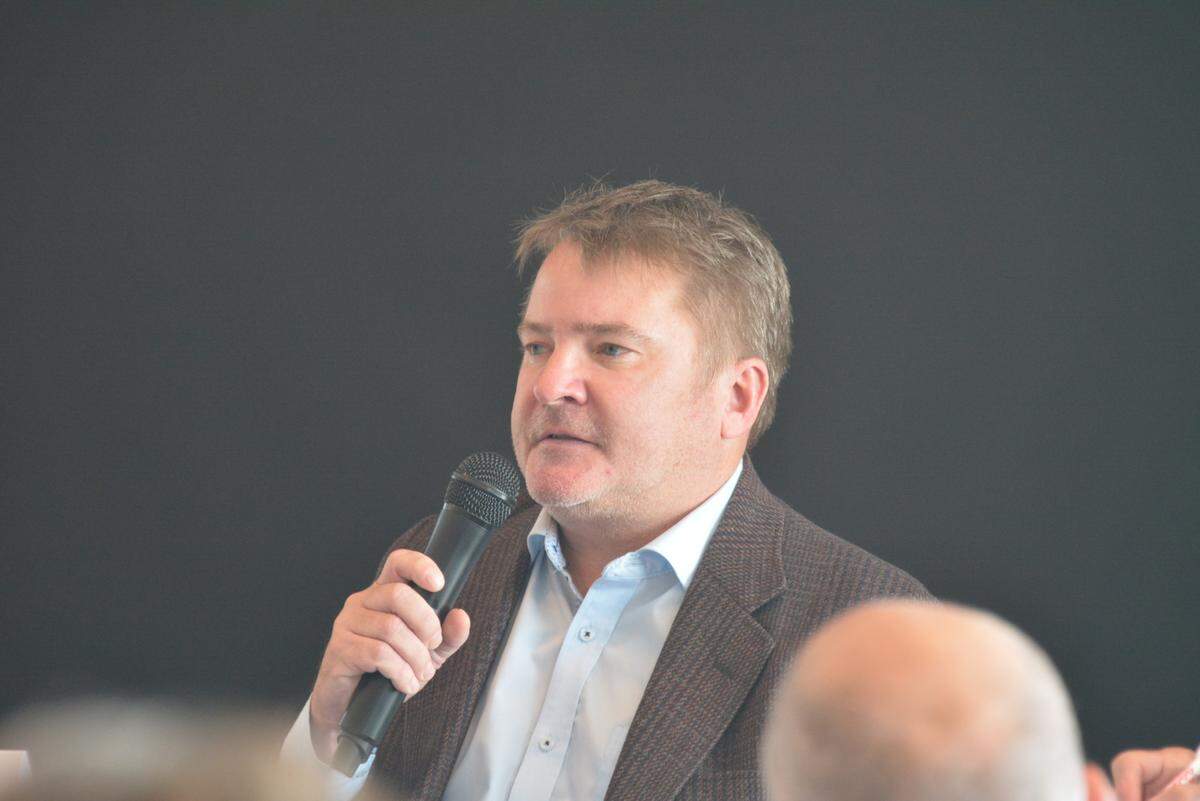
Bellingham City Council member Dan Hammill was part of the multidisciplinary team — including City Council, first responders and Whatcom County — that created ART. The group looked at similar programs in other states, and discussed what kind of calls an unarmed response team could safely go out to.
“ART is part of a social safety net that’s unique to Bellingham,” Hammill said. “Many communities are looking toward Bellingham as a resource, an idea factory, when it comes to how to address behavioral health issues that happen every day in communities across Washington state and across the country.”
ART is overseen by WCHCS, and also works closely with the Bellingham mayor’s office and Bellingham Police Department.
The program is supported through “braided funding” from multiple sources, WCHCS said. State legislative funds make up 45% of the funding, and a quarter of the money comes from the North Sound Behavioral Health Administrative Services Organization. The remaining 30% is split 50/50 by the county and city of Bellingham and supported by sales tax revenue.
“We chose to invest in the Alternative Response Team because we recognize the value of having responders who are highly-trained and specialized in behavioral health,” Bellingham Mayor Kim Lund said in a statement to The Herald. “Not only do these responders free up law enforcement for things only they can do, alternative responders provide compassionate care and can take the time to connect people to ongoing resources.”
What does an ART response look like?
Hammill said he recently went with ART to respond to a call from a business owner who was concerned about the well-being of a person on the sidewalk in front of her business. ART members talked to the individual and reached a “peaceful resolution,” Hammill said.
Oftentimes ART will connect people with resources in the community like the Way Station or a cold weather shelter. They can also bring in a case manager to help individuals get on programs like EBT.
Hammill explained that ART works in tandem with other diversion programs like Ground-Level Response and Coordinated Engagement (GRACE) and Law Enforcement Assisted Diversion (LEAD). These programs are specifically designed to help keep people out of the criminal justice system by connecting them to services.
ART also has the ability to follow up on calls after initial interactions, something that other first responders often don’t have the time or resources to do.
“Our goal is to be able to take appropriate calls out of that traditional system and hopefully have a different set of tools to meet the need in the community,” Christensen said.
Taking such calls also frees up law enforcement to respond to other situations, something BPD Lt. Claudia Murphy said officers appreciate.
“Having ART as a member of the team, helping provide people in crisis with immediate, meaningful, caring, and compassionate care, makes all our jobs easier, lightens the load, and above all provides people in crisis with the services they need,” Murphy said.
Editor’s note (Feb. 23): This article was updated to clarify how the Alternative Response Team is funded.
This story was originally published February 22, 2026 at 5:20 AM.