Flood damage assessments continue in WA. Here’s where Whatcom County stands
Local and state officials continue to process damage reports related to the severe December flooding events that forced more than 100,000 people to evacuate across Washington.
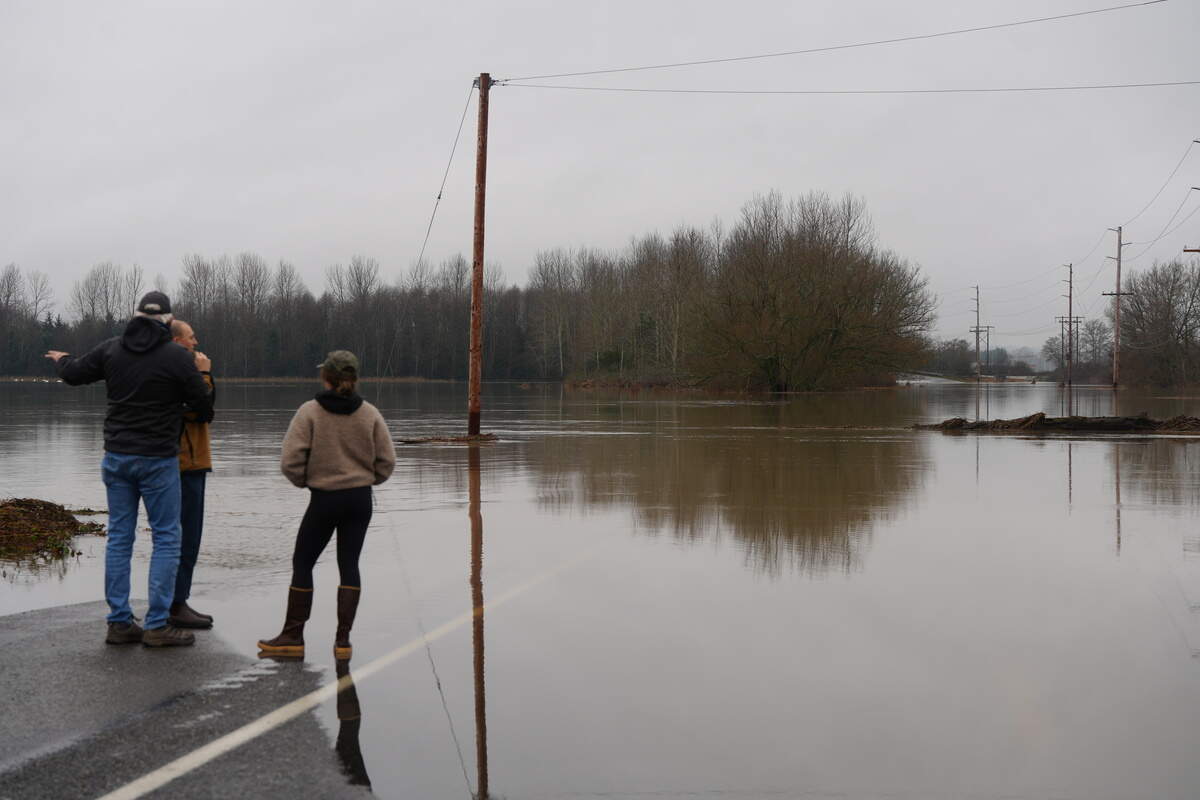
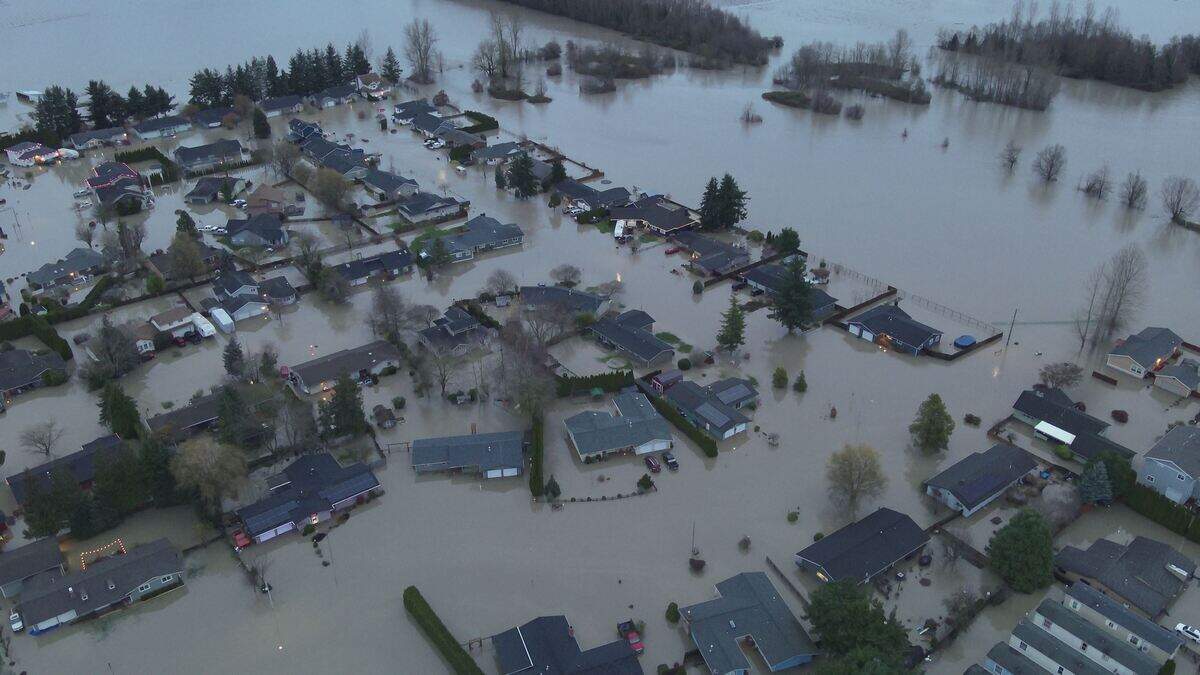
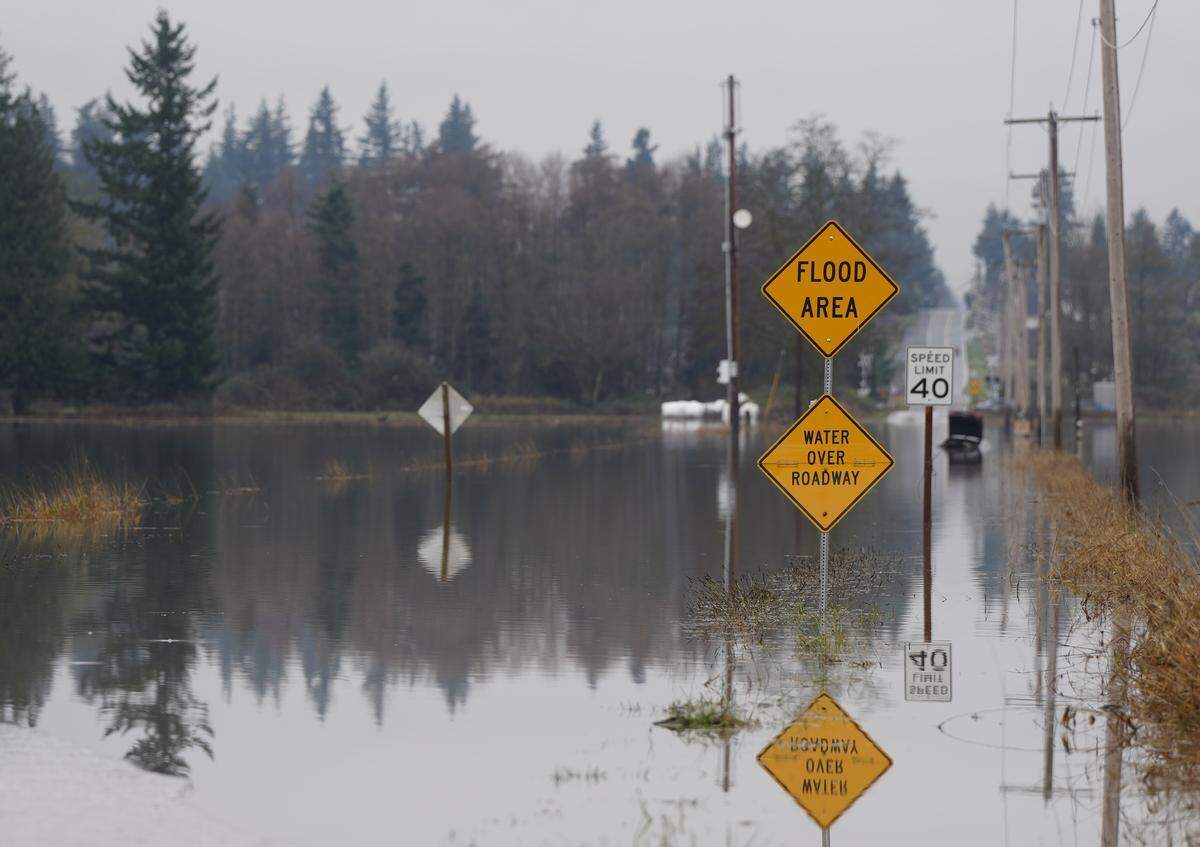
In Whatcom County, residents in Nooksack, Sumas, Everson, Ferndale, Lynden and Lummi Nation were impacted by the rising floodwaters of the Nooksack River. Roads across the county closed due to high water levels, and the region saw widespread private and public property damage.
Several weeks later, water levels have receded, and community members are picking up the pieces.
Amy Cloud at the Whatcom County Sheriff’s Office Division of Emergency Management told The Herald that the process of documenting damages is going “really fast” compared to the flood responses in 2020 and 2021.
Still, it’s deliberative. Officials are following up on every single submitted damage assessment form to verify needs and information, Cloud said.
As of Tuesday morning, the county had confirmed 550 households with reported damage. At least a few hundred more still needed to be confirmed, according to Cloud.
Washington’s counties were asked to submit damage estimate assessment forms to the state by Dec. 28. The state Emergency Management Division was still working on the joint preliminary damage assessment for FEMA this week, according to Washington State Governor’s Office Communications Director Brionna Aho.
“We are now working with state and federal partners to perform a joint preliminary damage assessment process for individual assistance,” Cloud told The Herald. “Teams have been in Whatcom County doing spot-checks and verification of impacts throughout the weekend and into this week. This is coordination with a statewide effort to assess impacts in the community that is being coordinated through state emergency management (EMD.)”
Accurate and extensive damage estimates are critical when it comes to receiving funding to assist in recovery efforts. Washington Gov. Bob Ferguson announced during the flooding that the federal government approved the state’s request for an emergency declaration and had agreed to grant the state’s request for emergency assistance.
But Whatcom County officials could not be certain about how state and federal dollars would continue to shake out.
“State and federal assistance for local disaster response has become increasingly unpredictable,” Whatcom County Executive’s Office spokesperson Jed Holmes told The Herald.
“In part, that’s a result of new fiscal realities at the state level and, in part, it’s a consequence of a changing political priorities at the federal level. Executive (Satpal Singh) Sidhu continues to advocate for robust emergency response and recovery assistance as well as infrastructure investments to address the risk of flooding, which has become both more severe and more frequent in recent years.”
Many residents have FEMA flood insurance that in some cases can cover up to half the value of a private residence. But Cloud said the Department of Emergency Management could not speculate about the amount residents might receive.
“The process takes time, receiving funds takes longer,” Cloud said. “We can say that good documentation (photos, detailed damage assessments, repair estimates) improves the likelihood of reimbursement for qualified expenses.”
Local organizations such as Whatcom Strong — previously known as the Whatcom Long Term Recovery Group — can help residents navigate the recovery process.
Cloud told The Herald that the Department of Emergency Management is also “in it through the entire process.”
“From the 'sprint’ of immediate response to the ‘marathon’ of recovery and rebuilding, DEM is coordinating needs and resources, bringing in partner agencies, and pursuing and managing grants,” Cloud said.
For additional flood-related assistance and resources, visit www.whatcomcounty.us/4742/Flood-Related-Resources.