
WWU team patents device to help surgeons repair large broken bones
A Western Washington University department chair recently secured a patent for a device that should make certain bone surgery procedures more effective.
Dr. Sura Al-Qudah, chair of the university’s Engineering and Design Department, came up with the idea for the device in 2019 when talking with her brother, an orthopedic surgeon practicing in their home country of Jordan. The next year she started designing a device that could aid him in his work.
“The main goal of this is really to make an impact and help surgeons in the surgery room,” Al-Qudah told The Bellingham Herald.

The device is meant to aid surgeons in the repair of longer bones in the body, such as the tibia in the lower leg.
To fix a broken tibia, surgeons commonly insert a metal rod into the bone to support it. The rod then needs to be fastened to the bone with screws to stabilize it.
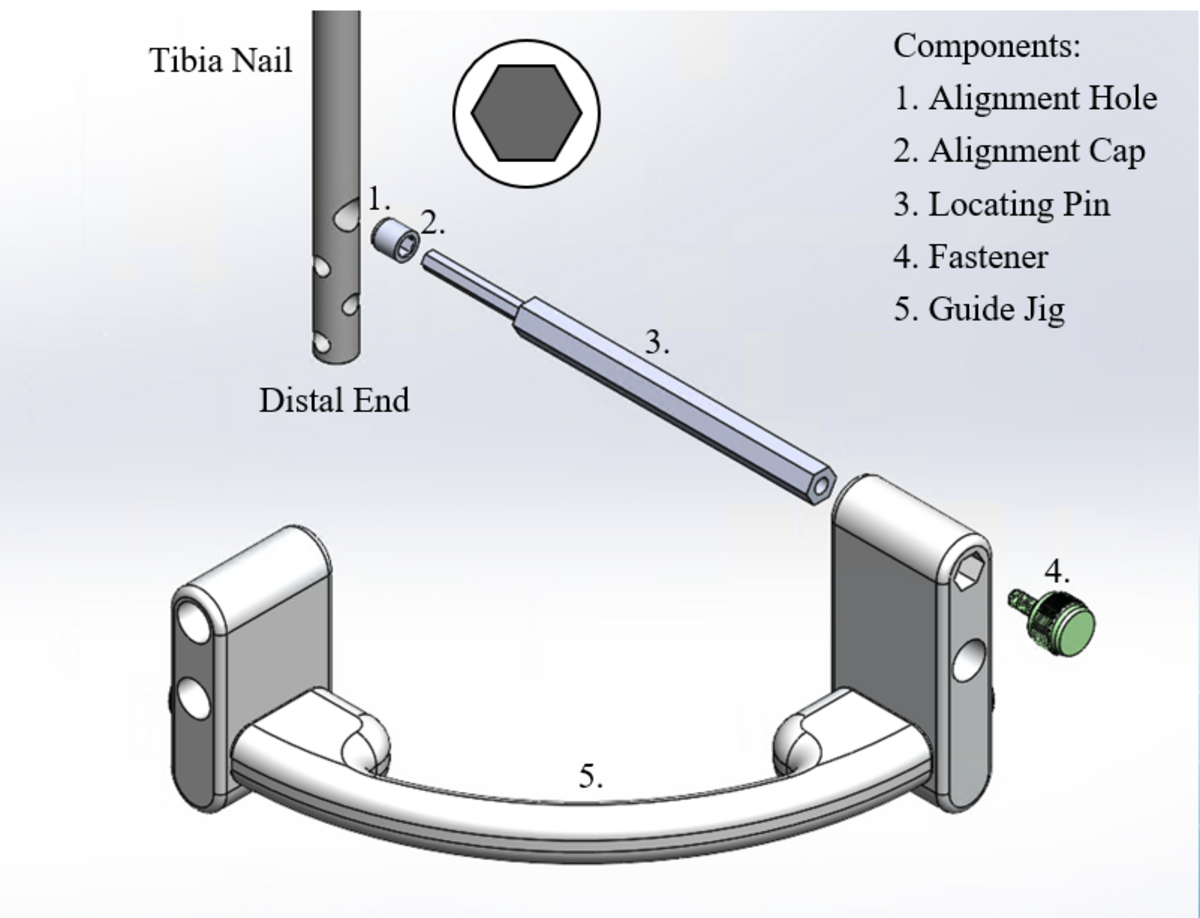
The common practice of inserting a metal rod requires multiple X-rays before an experienced surgeon conducts the procedure by “free-handing” it, according to Al-Qudah. Her new patented invention, called a Distal-Screw Guiding System, works as a stencil or guide for the operation, allowing a surgeon to line up the screw with only one X-ray.
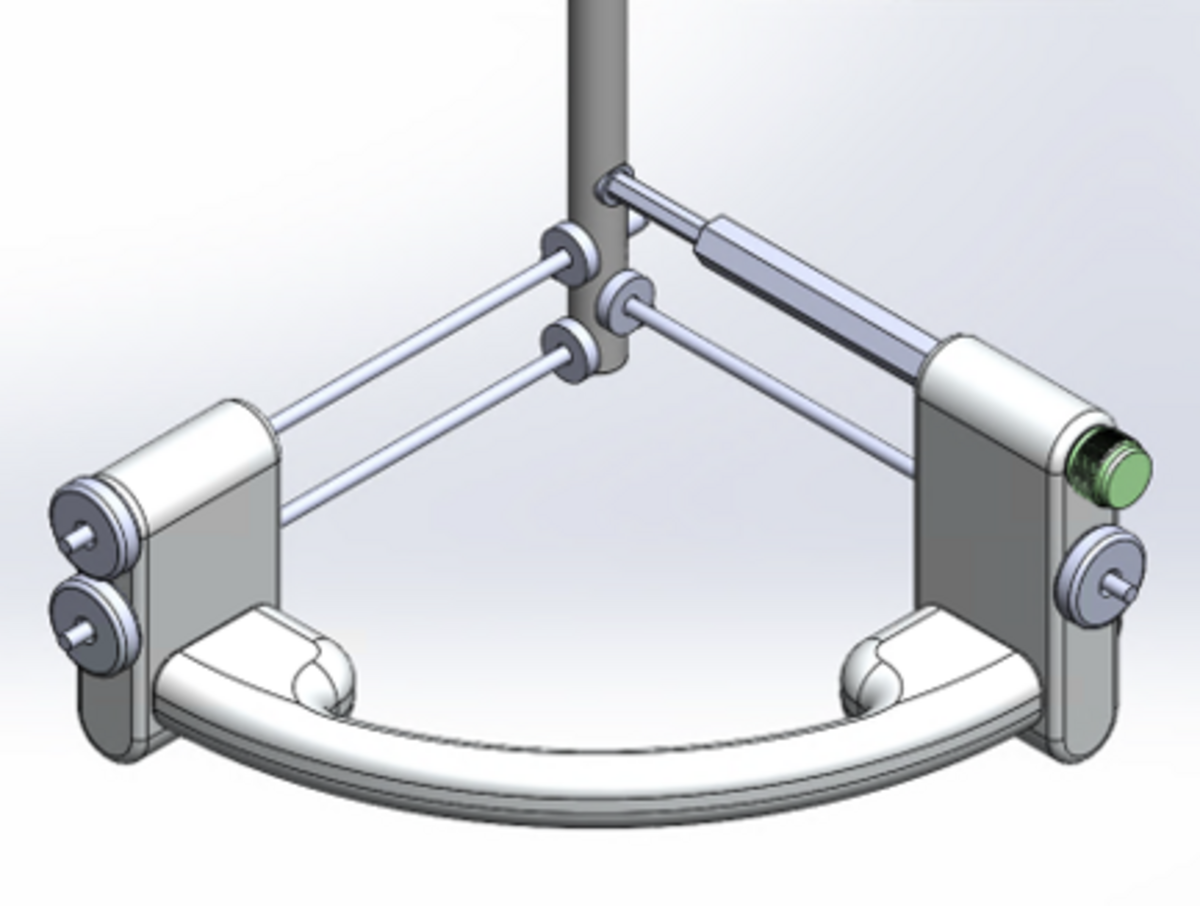
The device has a guiding pin that clicks into the metal rod in the bone, through the arm. This allows the surgeon to line up the screw using the device as a guide.
This was the first time Al-Qudah had submitted a patent application, and she is grateful for the help and support she received from WWU.
“Western has a system in place to support faculty who are going through the application of patents,” she said. “So I didn’t do that completely on my own, which is something that would have taken me a lot of time and effort to figure out.”
The patent application and approval process is a long one, especially for devices in the medical field. The patent was submitted in October 2022 and wasn’t approved until June of this year.
The creation of the device was done in collaboration with her brother and WWU undergraduate student Levi Smith. Al-Qudah said she is proud that creating the device came with an opportunity for a student to get hands-on experience that could serve them later in life.
“I think that is a very unique aspect of the Engineering and Design Department at Western,” she said. “We give students the opportunity to engage in meaningful and impactful research that they may not necessarily experience as undergraduate engineering students in other institutions.”
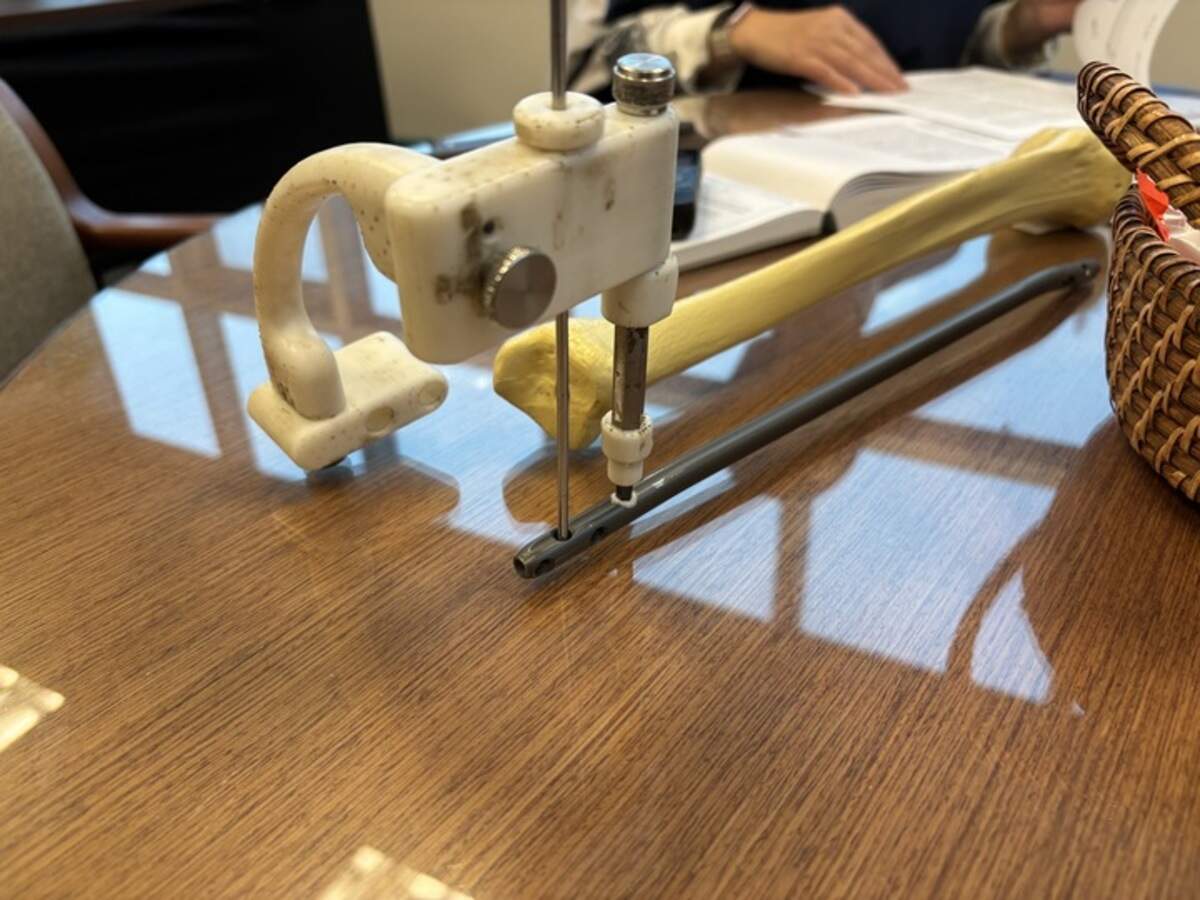
About six other WWU students worked on the manufacturing of the device after it was designed. Smith’s participation was so instrumental, Al-Qudah said, that his name is also on the device patent.
It will still be some time before the distal-screw guiding system is used by doctors and surgeons. In order to turn the patented invention into a product that can be sold and used, it needs to pass multiple regulations and clinical trials. The process could take several years, but Al-Qudah is determined and optimistic they could have it out sooner rather than later.
Al-Qudah has worked with Western Washington University since 2014. She received her PhD in industrial and systems engineering from Binghamton University in New York.
.jpg)