‘Profound’: Mobile audiology van gives Bellingham students access to education
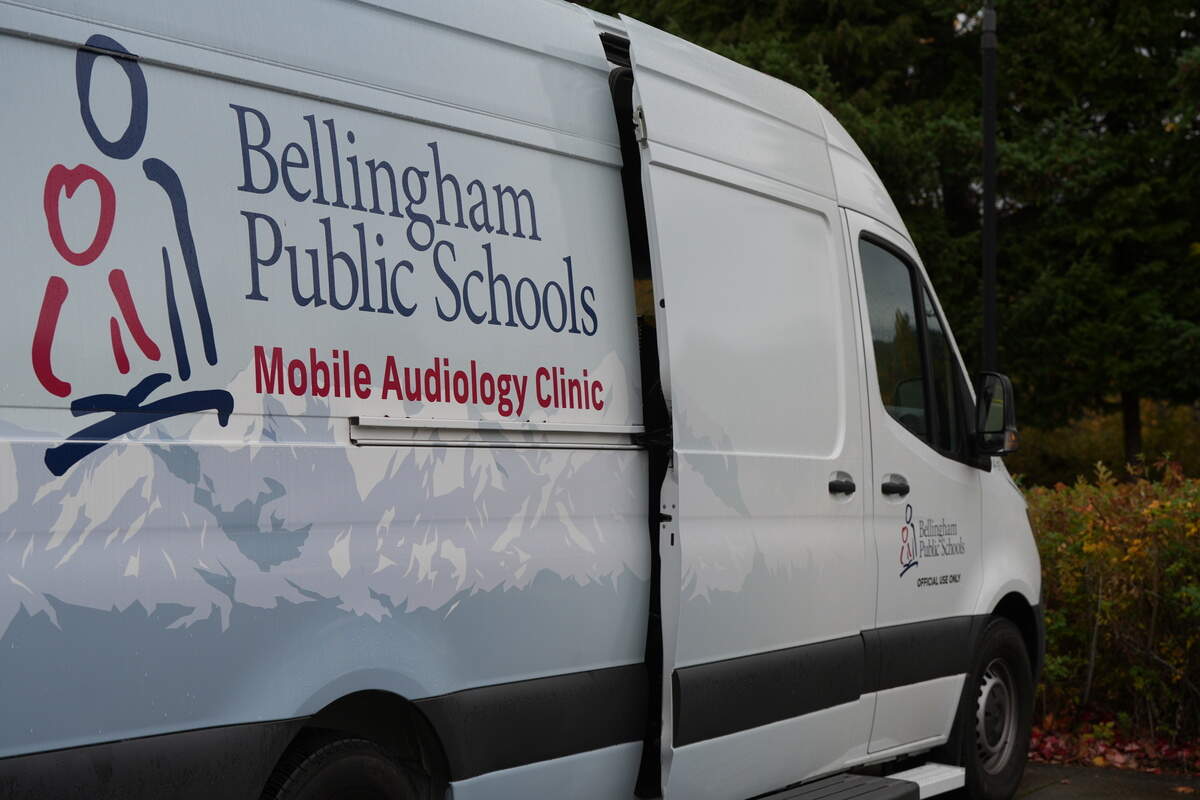
Bellingham Public Schools students who experience hearing differences are now more likely to be identified and supported earlier thanks to a new resource — a mobile audiology clinic van.
“It significantly enhances our ability to support kids who otherwise wouldn’t be identified,” Bellingham Public Schools Deputy Superintendent Dr. Mike Copland told The Bellingham Herald.
Washington law requires in-school hearing screening for students because, educators say, challenges with hearing can have severe impacts on students’ access to their education. With next-step medical services farther away, families often encounter barriers to accessing further care for their children after an initial screening, according to Bellingham Public Schools Teacher of The Deaf Meril Davenport.
“One thing we run into when find these students who have yet to be identified — it’s a long process. It can be about a year between hearing loss identification and receiving adequate care,” Davenport said.
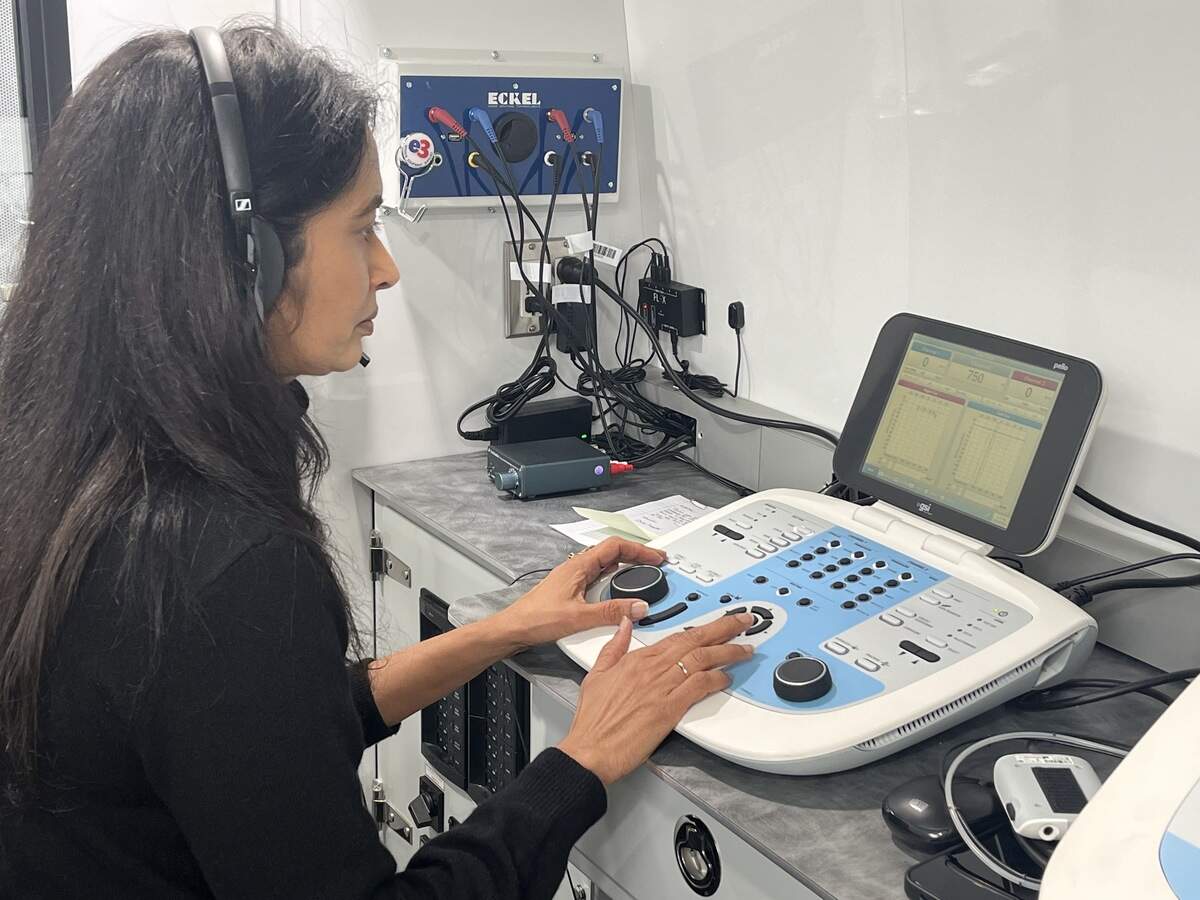
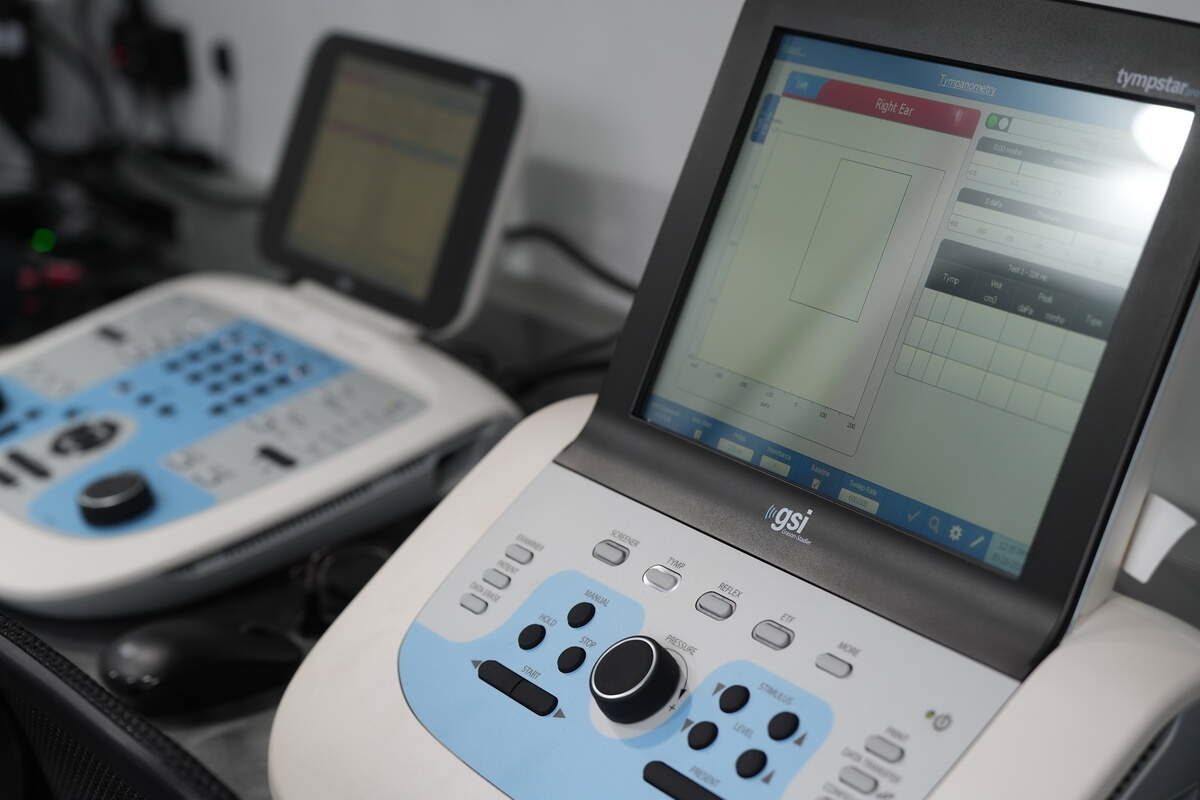
The van features a host of screening and testing tools to help audiologist Dr. Geeta Sawh identify, with greater detail, hearing loss or impairments in students. She can also repair hearing aids in the van, saving families the time and challenge it takes to travel for this kind of service.
“The school district has really seen the difference this is making,” Sawh told The Herald.
The van can travel to all 22 schools in the district, providing students with greater accessibility to this resource while saving time that students might otherwise use to seek out this kind of testing.
“We’ve had a lot of our students with hearing differences be seen as uninterested or inattentive. We’ve had students go from being at-risk, to being identified as highly-capable,” Sawh said. “They simply weren’t hearing. This is about helping kids with access so they can utilize their education.”
Sawh told The Herald her case load has greatly expanded since the district first implemented the audiology van in January of 2025.
Before the district had the van, Sawh was seeing about 70 students who had identified hearing loss. That number had increased to 109 by the end of October, she said.
By October 31, the district had performed a total of 93 comprehensive hearing screenings with its portable equipment. Those screening results led to further evaluation of 20 students using the van’s facilities, according to Bellingham Public Schools spokesperson Dana Smith.
“This audiology van is taking a population of students and completely changing the trajectory of their development. It is profound for them, and as they grow up, it will be profound for the community,” Davenport told The Herald.
The van was funded entirely by a donation from foundry10, an educational research and philanthropic organization that has granted almost $800,000 to Bellingham Public Schools to support multiple projects.
“In an area that isn’t as close in proximity to specialty care that can serve families, these tools and this van have helped the district provide accessibility,” said foundry10 community outreach representative Janie O’Brien. “Our goal is to help students learn. If we can facilitate that, we’re happy to do that.”
The organization donated $408,920.39 for the van and its audiology equipment. Foundry10 also donated about $24,000 for portable audiology equipment that is used to comprehensively screen students, which then determines whether the van should be deployed, according to Smith.
“In schools, we think about systems of support — about the whole school system and what things are preventing students from being able to engage in learning. So to be able to find a solution to a gap and move quickly, it’s critical,” foundry10 health and wellbeing team lead Hope Donato told The Herald.
Copland said this audiology van is an “unusual resource” for the district and that it wouldn’t have been something the district could have funded on its own. He said the long-term goal is to expand the van’s range and be able to support other school districts in the surrounding area.
“As a school district, we’re really lucky that we have this resource. But there are 15 school districts around us that have nothing like this. So at some point, it could become a resource that supports students across the whole region,” Copland said.
This story was originally published November 11, 2025 at 5:00 AM.