Here’s where Bellingham is planning a severe weather shelter this winter
A severe weather shelter will be located at the same place as last year during this winter season — the former Central Lutheran Church building on N. Forest Street, in the Sehome neighborhood south of downtown Bellingham.
Chris D’Onofrio of the Whatcom County Department of Health and Community Services Department announced the location during a Bellingham City Council committee meeting where funding was discussed.
“This is where people can come in and be safe on the coldest nights of the year,” D’Onofrio told the council’s Community and Economic Development Committee.
Details and a formal lease still need to be worked out, he said.
Bellingham is pledging $100,000 for shelter operations during the winter season, after Whatcom County has spent $450,000. Bellingham’s funding will come from the affordable housing sales tax enacted in 2020.
The full Bellingham City Council was scheduled to vote on the agreement Monday night.
D’Onofrio said a meeting is being scheduled with neighbors who expressed concerns about the shelter last year.
Neighbors said the area had seen open drug use, violence, camping and trash on the streets and properties surrounding the shelter, and that it was impacting the public’s perception of safety in the neighborhood.
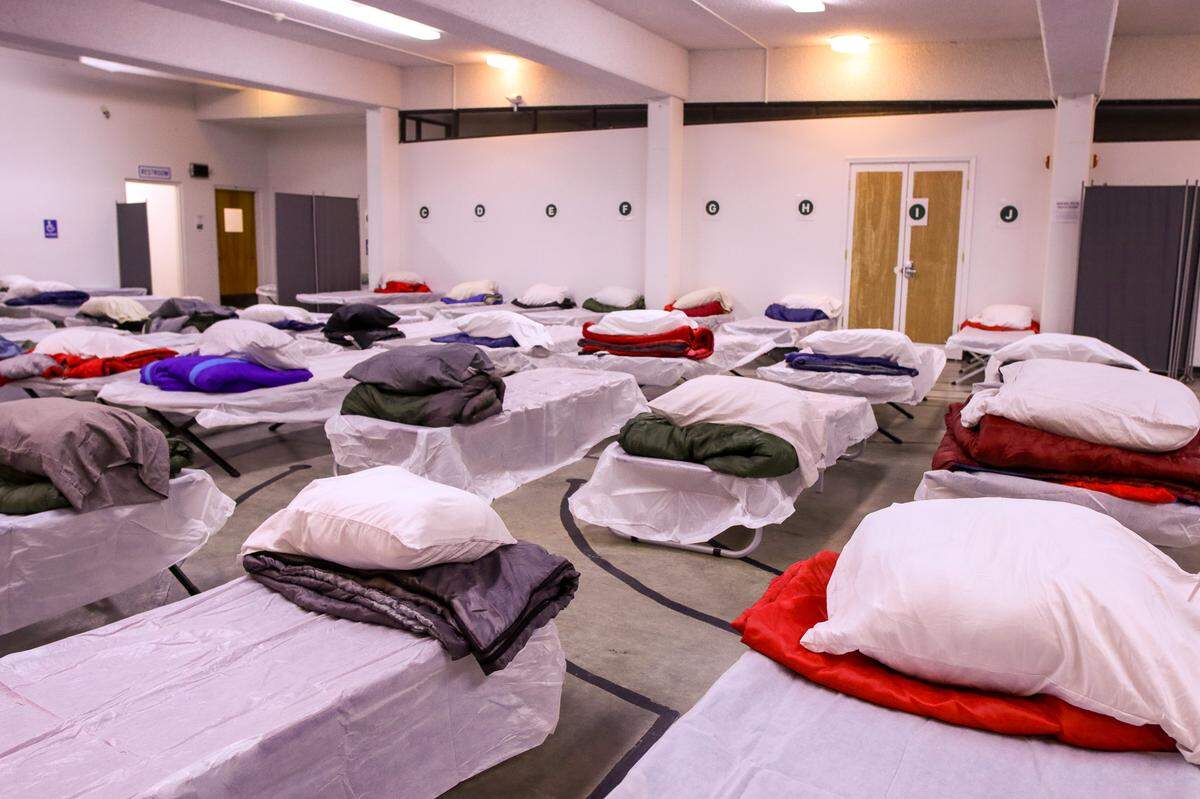
Whatcom County plans to hire nearly twice as many temporary staff members as last winter to help operate its severe weather shelter for the 2025-2026 winter season. In addition, overnight beds are being reduced to 60 from 80, a trash can will be placed outside, and transportation away from the shelter will be offered.
“We think that will reduce people lingering on that block. I think we’re going to get a better jump on it this year,” D’Onofrio said.
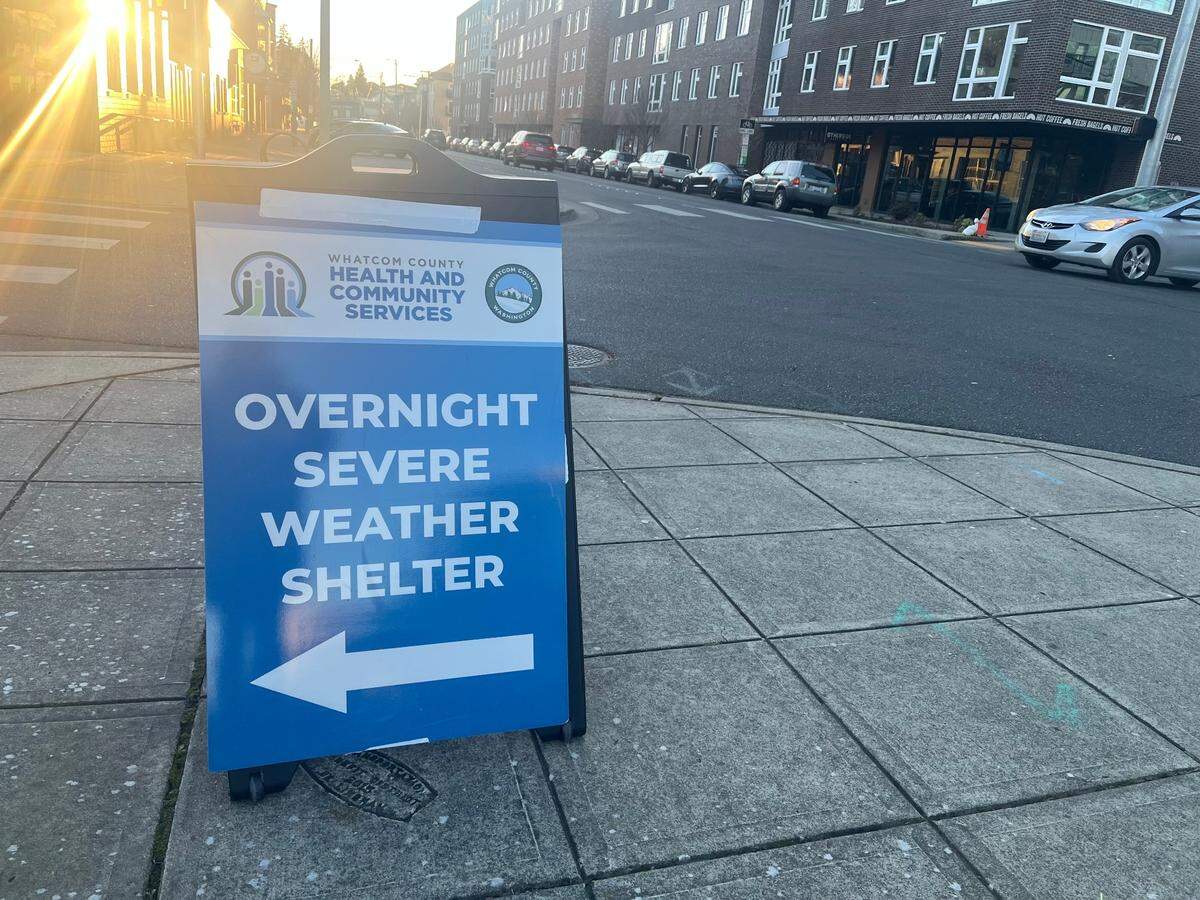
Hours for the shelter will be 4 p.m. to 9 a.m. on nights when the weather forecast calls for temperatures below 32 degrees.
Last winter the shelter had 2,287 overnight guests over 27 nights, according to data the Health Department reported. It was filled to capacity for 24 nights and sheltered 104 people on its busiest night, including people in cots and those who warmed themselves in the lobby.
Staffing included 20 people hired for the season, 45 volunteers and 24 full-time Health Department employees who worked overtime.