23 truckloads of soil, but no tally yet for Bellingham fuel spill cleanup
AI-generated summary reviewed by our newsroom.
- Cleanup crews removed 324 tons of soil in 23 truckloads after fuel spills.
- Two spills leaked 676 gallons of diesel; final cleanup costs remain unknown.
- Culvert replacement resumed; restoration work to begin after fish migration window.
Cleanup costs are still being determined for the two Padden Creek fuel spills, even as response workers have finished removing contaminated soil and construction has resumed on a project to widen a culvert for migrating salmon in the Fairhaven neighborhood of Bellingham.
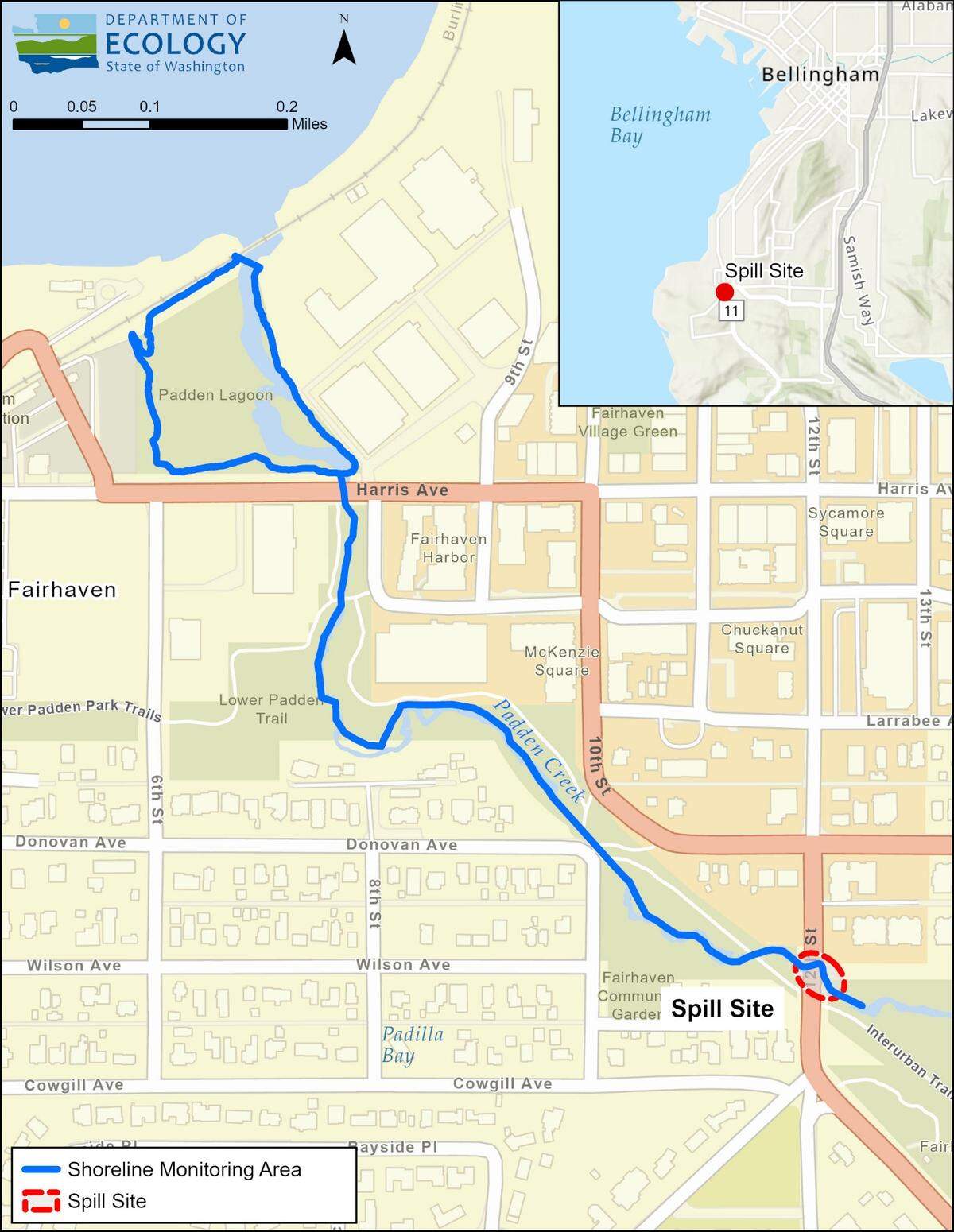
That project, which is part of a years-long effort to return the creek to a more natural state, is blamed for two incidents where a generator powering a pump that was diverting creek water leaked a total of 676 gallons of diesel fuel on Aug. 3 and Aug. 7.
Restoration of Padden Creek and its banks will start in the fall once the culvert is replaced, Department of Ecology spokeswoman Jessica Kulaas told The Herald on Thursday.
“Final cleanup costs are still being tallied. I don’t have a ballpark figure to share at this time,” Kulaas said in an email.
Meanwhile, Faber Construction has resumed work on its project to allow salmon and other fish better access upstream to spawn. A culvert is being removed near 14th Street and replaced with an arch, providing daylight for Padden Creek. At 12th Street, a fish ladder is being replaced with a natural-looking sloped boulder field.
In-stream work must end by Sept. 30, but other work can continue after that, Stefanie Cilinceon of the Bellingham Public Works Department told The Herald in an email.
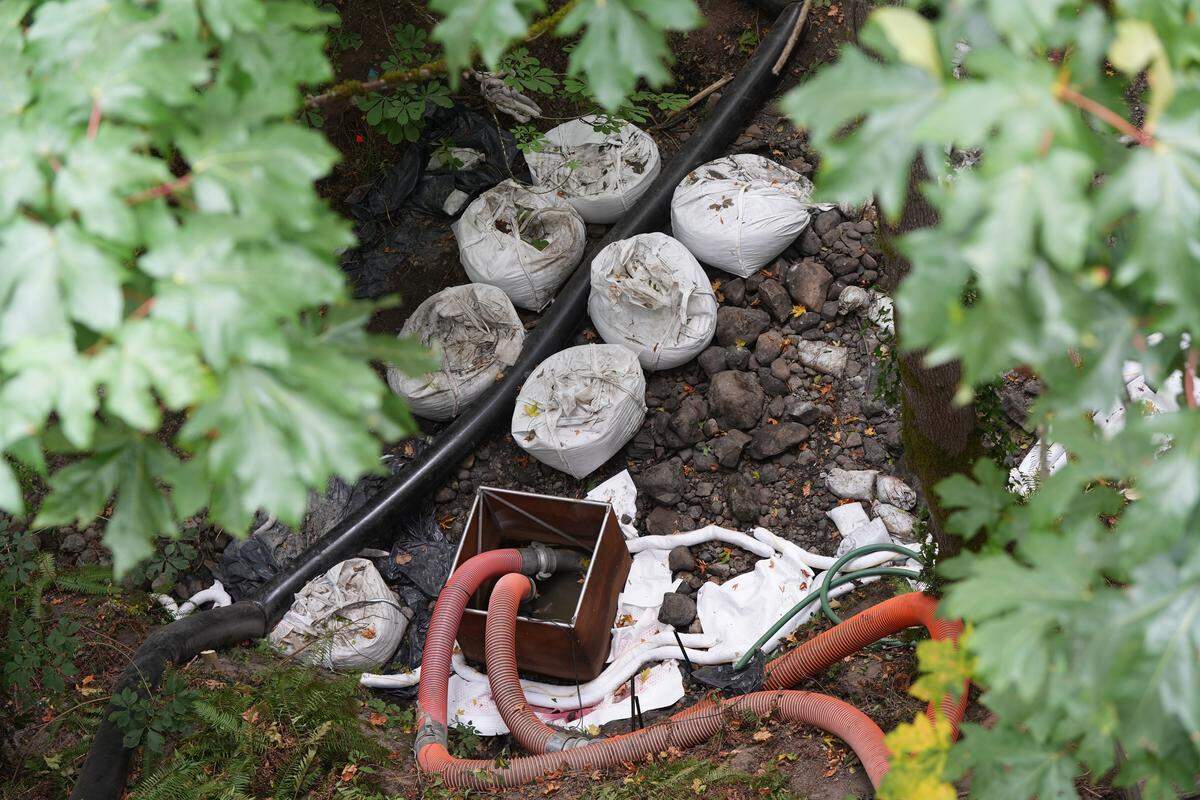
Faber’s restoration work stopped earlier this month as efforts began to contain the spills and prevent toxic material from flowing into Bellingham Bay. The pump was unattended both times that fuel leaked. It has been replaced and officials said “secondary containment at the pump to prevent future spills” was added.
A total of 324 tons of contaminated soil was removed in 23 truckloads, according to officials with a “unified command” that was established Aug. 8 to address the spill. Five salmon and trout, a crayfish and a tree were killed.
Included in the Unified Command were Lummi Nation, the Nooksack Indian Tribe, Ecology, the state Department of Fish and Wildlife, the city of Bellingham and Faber Construction. Additional support came from Graymar Environmental Services, the contractor responsible for cleanup operations, Unified Command liaison officer Greg Fitzgerald said in a statement issued Thursday.
“Recovery actions were completed to a standard that establishes the foundation for long-term recovery. Restoration and monitoring are now being coordinated by Ecology’s Toxics Cleanup Program and Natural Resource Damage Assessment trustees. The Toxics Cleanup Program will evaluate whether further remediation is needed and manage any long-term cleanup. Tribal, state, and federal trustees will assess harm to fish, wildlife, habitat, and recreation, and determine restoration projects funded by the responsible party,” Fitzgerald said.
“Crews deployed boom, removed contaminated soil, reinforced coffer dams, and installed additional pumps to control creek flow during heavy rain (Aug 14-16). Wildlife monitoring has been ongoing with no additional impacts observed after Aug. 10,” he said.
Removal of contaminated soil was chosen as the best cleanup solution, except for in the creek.
“Soil immediately adjacent to the bridge could not be fully excavated without risking the bridge’s structural integrity. In the stream channel, additional excavation would have caused more harm to habitat than leaving residual material in place,” Fitzgerald said.