As rent climbs at Bellingham manufactured home park, many there feeling trapped
AI-generated summary reviewed by our newsroom.
- Lakeway Estates residents face steep rent hikes after 2024 sale to Havenpark.
- Lot rent rose up to 15%, straining low-income seniors on fixed monthly incomes.
- Rising rents and falling home values leave many residents financially trapped.
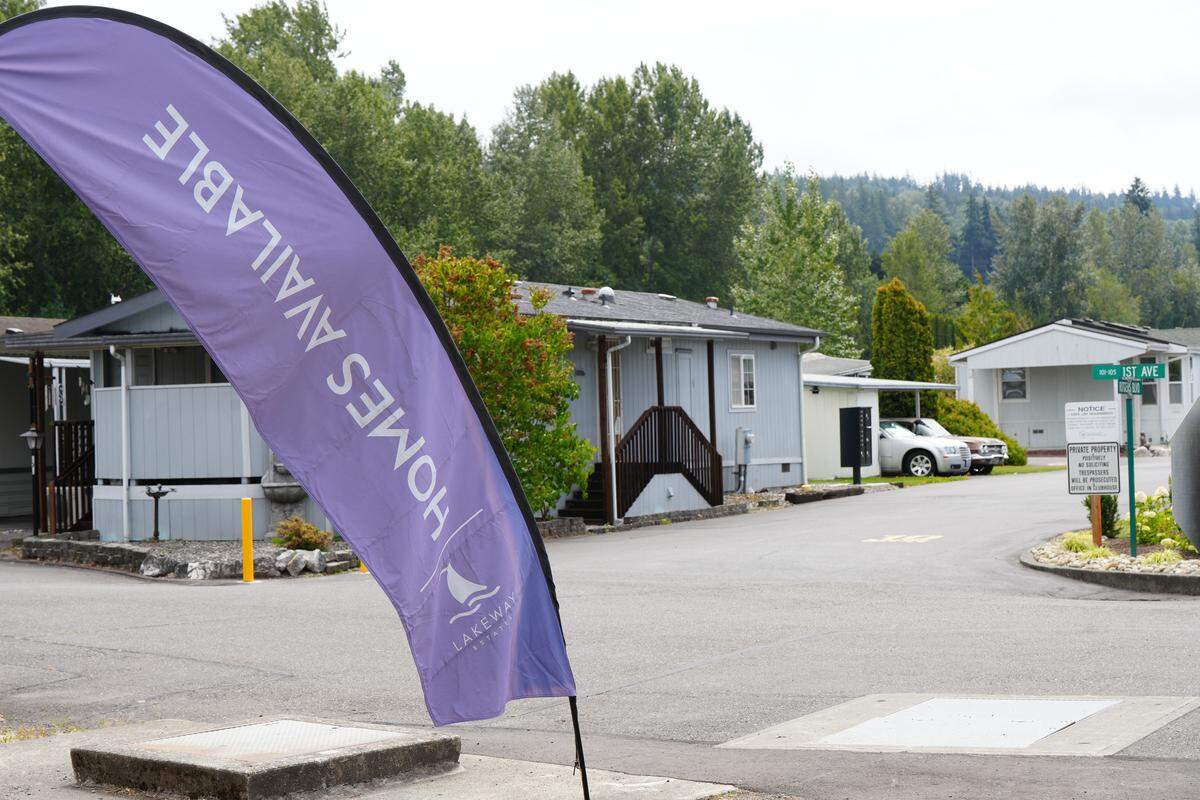
In March of 2024, when the Lakeway Estates manufactured home community in Bellingham was purchased by HavenPark Communities, a subsidiary of a private equity firm, a resident told The Bellingham Herald that nobody there planned to complain until there was “good reason.”
Now, more than a year after the $41 million sale, the senior residents say many of them are being priced out of the park due to hefty increases in lot rent.
“We live here. This is our home. They don’t care that we are people, that we live in this park. To them, we are an investment,” said one resident. The Herald spoke with five longtime residents of the park who requested anonymity due to concerns about possible retaliation.

Residents told The Herald that since the sale of the park, lot rent has increased by up to 15% for existing residents. While the homes in Lakeway Estates are individually owned, residents pay a monthly fee to lease the land on which their homes sit. New state legislation went into effect in May of this year, capping yearly increases in lot rent at 5%. Before the passage of that law, however, nothing was limiting those increases.
“Already what I’m paying in lot rent is more than I get in social security,” another resident told The Herald.
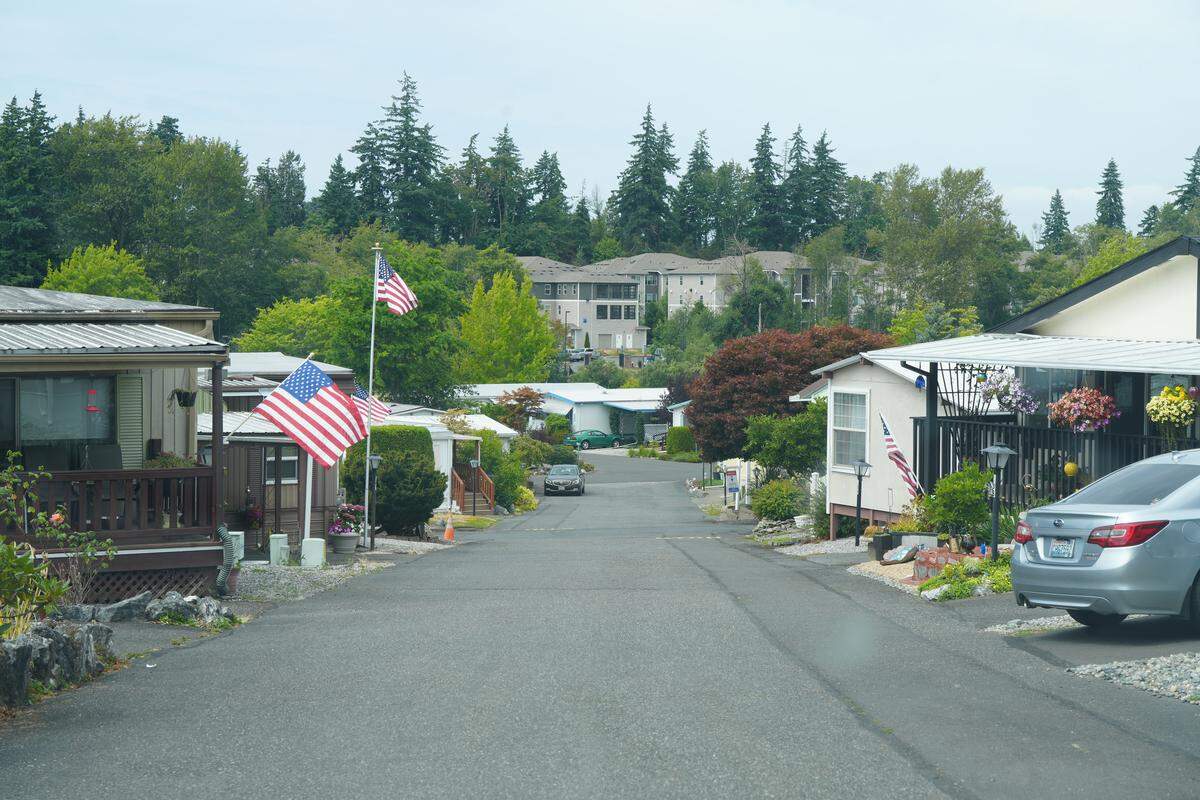
Lakeway Mobile Estates has historically been a senior community. As the largest manufactured home community in Bellingham, it has almost 220 individually owned manufactured homes, on more than 28 acres in Bellingham’s Puget neighborhood.
Many residents at Lakeway Estates are living on fairly fixed incomes and chose to move into the park because it was affordable.
In a statement to The Herald, city of Bellingham communications manager Ryan Key-Wynne said the city recognizes that manufactured home parks “provide an important housing option for our community, especially for low-income seniors.”
As of 2022, the 850 homes in manufactured home communities in the city made up about 2% of the city’s total housing supply while representing about 14 percent of the supply of affordable housing for households earning 80 percent or less of the area median income, according to the city.
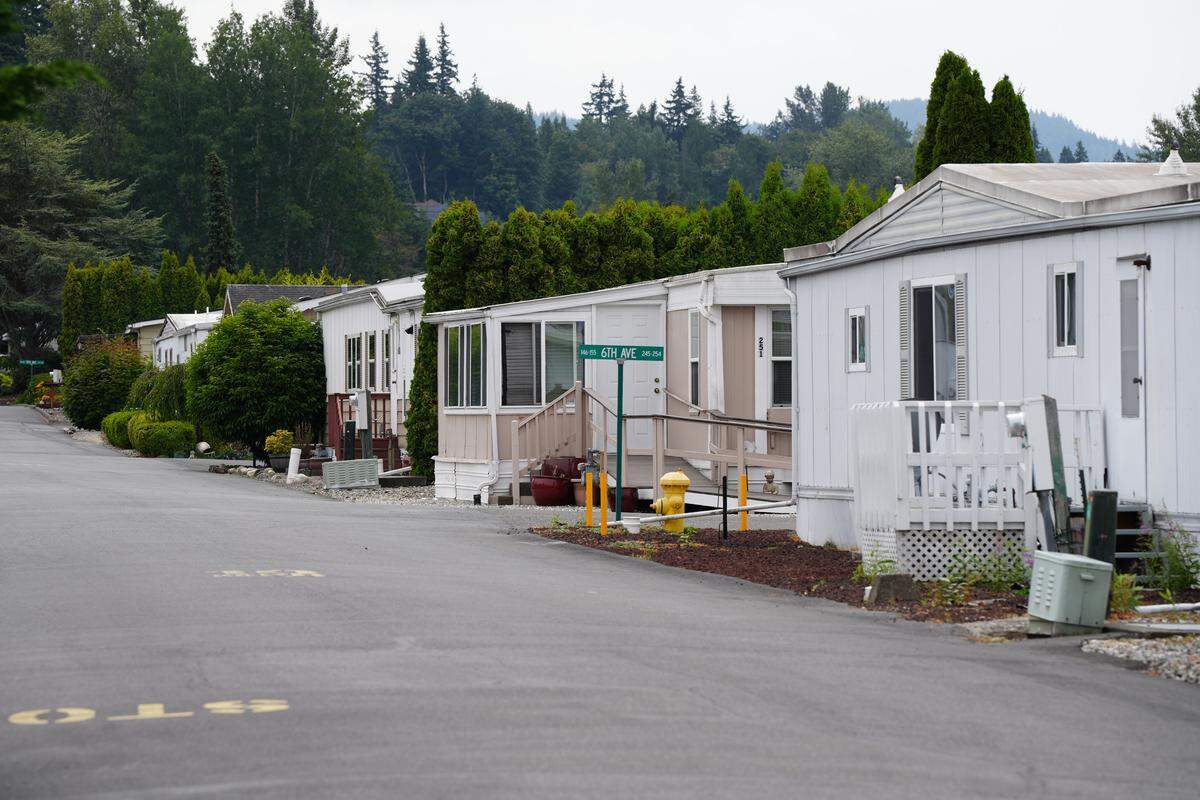
Lakeway Estates residents said they anticipated incremental increases in lot rent over the years, but recent increases have been too much to manage sustainably.
“Everybody is tightening their belt,” one resident said. “We have seen our savings dwindle because everything has gotten so expensive.”
Lot rent has increased by hundreds of dollars for residents over the last two years. Many are now paying more than $1,000 plus added utility fees.
One resident told The Herald that she is left with just $200 at the end of the month after paying her lot rent and utilities. She’s expecting to pay even more when her lease renews in just a few months.
“If I’m gonna have $70 less every month the next time my lease is up, where does that leave me?” she said.
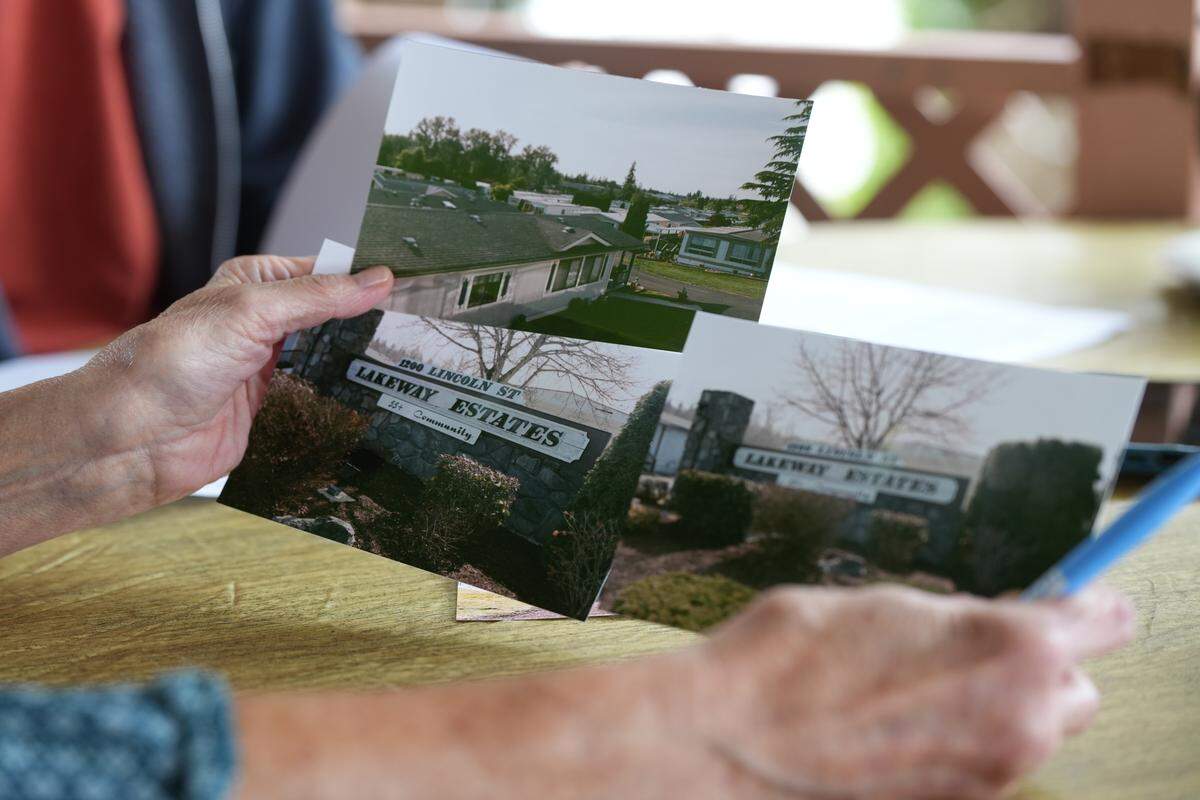
Previously retired residents are picking up part-time work to make up the difference in added costs. Others have resorted to shopping at the food bank, renting out spare rooms in their homes and even rationing medication, residents told The Herald.
“Everybody is living in silent anxiety,” one resident said.
In a statement to The Herald, Lakeway Estates and Havenpark said the company is “committed to providing residents with a well-maintained and thriving community to call home in Bellingham,” saying lot rent enables Havenpark to invest in the community and help preserve manufactured housing in the area.
“Havenpark is committed to continuously investing in and improving its communities, including Lakeway Estates,” the statement said.
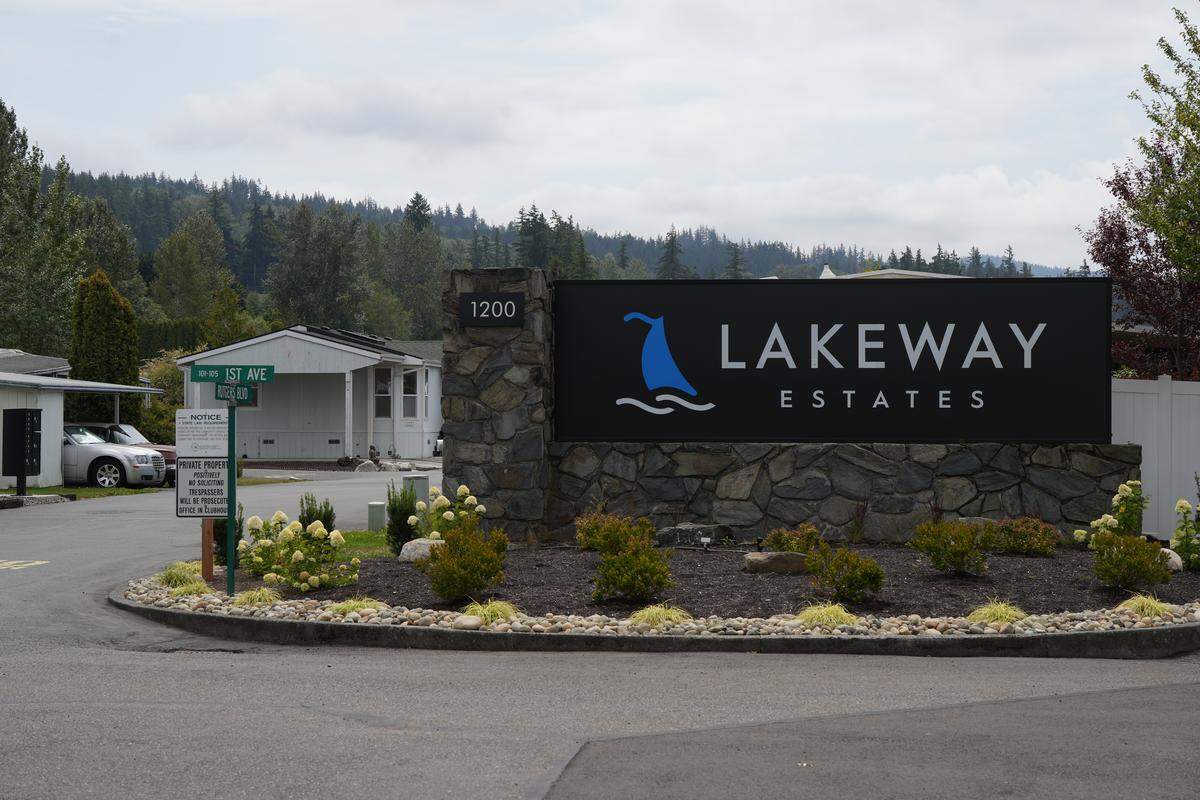
Lakeway Estates told The Herald that since its acquisition, Havenpark has invested more than $800,000 into the community to upgrade infrastructure, repair and resurface roads, beautify the landscape and enhance amenities. Lakeway Estates said some residents have shared their appreciation for the improvements being made across the property.
“These investments add to the appeal of community and create enduring value for current and future residents,” according to the statement.
Why not move elsewhere?
For new residents interested in buying a home in the community, the lot rent is more than double what current residents are paying — up to $1,695 per month, home listings show. That doesn’t include the added utility fees.
Bellingham RE/MAX agent Tammy Parker told The Herald that home prices are being “significantly impacted” by recent lot rent increases that are making it difficult for current homeowners to get fair market value when selling.
“Many are being forced to accept rock-bottom prices,” Parker said.
Parker told The Herald a home she currently has listed in the community for $45,000 would have sold for between $90,000 and $110,000 in 2023, “under different circumstances.”
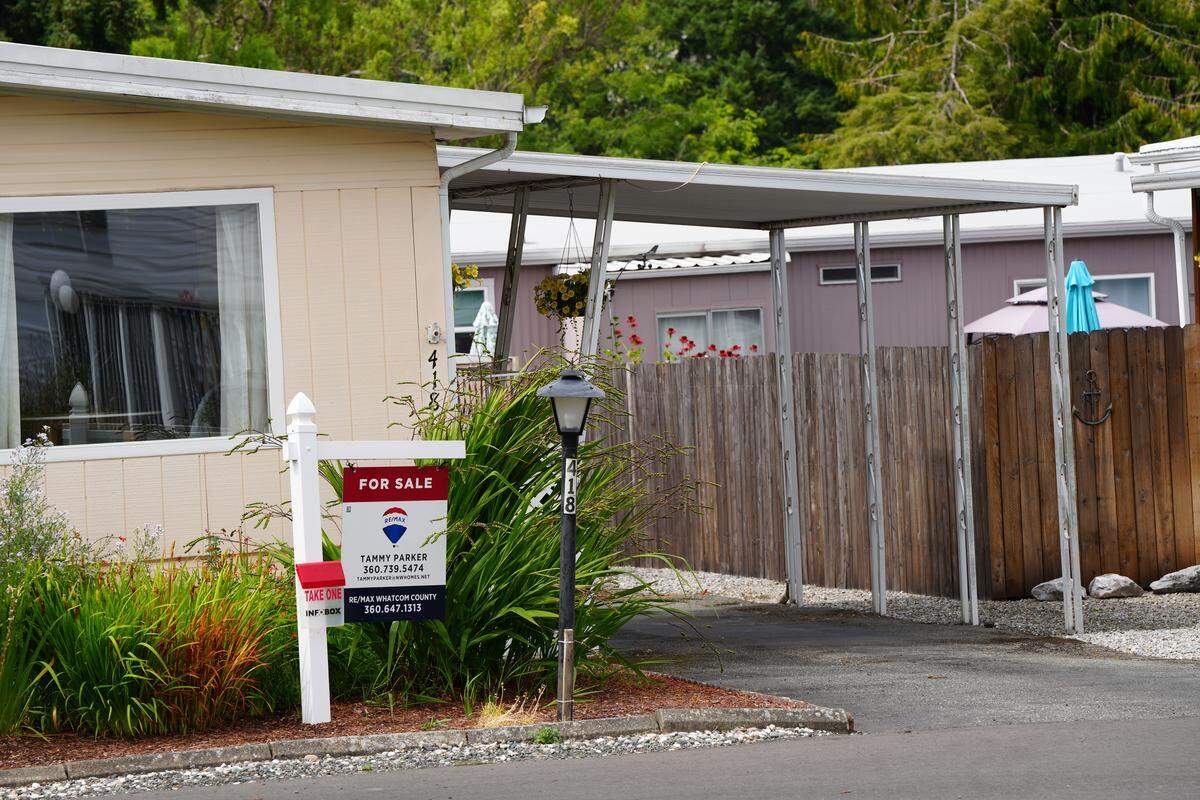
The home has only had one showing in the three weeks it’s been listed.
Lakeway Estates said the cost of lot rent for new residents “reflects the cost of housing in Bellingham and surrounding areas where property taxes, interest rates, and inflation are increasing while the state is enforcing new rent control laws.”
Residents say these lot rent increases for new tenants further trap them in an affordability crisis. If residents who can’t afford the increases in lot rent aren’t able to sell their home for what it’s worth, moving to a more affordable area becomes that much more difficult, residents told The Herald. Some people have resorted to just giving their home away, according to Parker.
“There’s a pall over the park. And you can feel it,” one resident said.
Private equity firms invest in manufactured home communities
Lakeway Estates is owned by a company called Lakeway Estates LLC, which is a subsidiary of Havenpark Communities. Havenpark Communities purchases and owns manufactured home park communities across the United States and is owned by Havenpark Capital Partners, a private equity firm.
According to the Private Equity Stakeholder Project (PESP) — a nonprofit watchdog organization that monitors the growth of the private equity industry — HavenPark Capital Partners owns at least 63 manufactured home parks nationwide with more than 18,500 home sites.
News reports across the country show manufactured home park residents have been sounding the alarm for years about the realities of being priced out of their homes after their communities are sold by mom-and-pop owners to large companies.
Twenty-three private equity firms, including HavenPark Capital Partners, own more than 1,800 manufactured housing parks in the U.S. with more than 377,000 lots, according to PESP.
In 2020 and 2021, institutional investors accounted for 23% of all manufactured home purchases, up from 13% between 2017-2019, according to PESP.
Stopgaps only go so far
The city of Bellingham created protections for residents of manufactured home parks in 2022 in response to increasing concerns related to housing affordability and availability. The Washington Legislature then followed Bellingham’s model and enacted the protections as state law, which says that when a manufactured home park owner decides to sell, the land must first be offered for sale to the residents — though it’s not always possible.
When Lakeway Estates residents were notified that the former property owner intended to sell the community, they were given the “opportunity to compete” to buy the park.

Residents attempted to purchase the property with help from the Northwest Cooperative Development Center, a nonprofit organization that helps residents “run the numbers” to see if a purchase makes sense and works with nonprofit lenders to secure funding for these purchases.
The city attempted to help facilitate that purchase by offering between $5 million and $7 million of assistance. But the high value of the land ultimately meant that residents were unable to feasibly offer a competitive purchase amount — the eventual sale price was $41 million.
Victoria O’Banion of the Northwest Cooperative Development Center told The Herald that communities like Lakeway Estates “will continue to be challenging” for the organization to help purchase because they are often “sold at a price point that exceeds affordability for cooperative acquisition.”
In an email to a constituent about the 2024 sale of Lakeway Estates, city staff said they were sorry to hear about the sale and acknowledged the possible impacts of the park’s purchase on its residents.
“We understand that the purchase price could result in a significant increase in lot rent, which many low-income residents at the park will be unable to afford,” according to the email.
This story was originally published August 12, 2025 at 5:00 AM.