Bellingham’s Old Town transformation is underway. Here’s the plan
AI-generated summary reviewed by our newsroom.
- Bellingham’s Old Town plan adds 800 mixed-income units across eight city blocks.
- First 84-unit development includes commercial space and middle-income housing.
- Public-private partnership drives redevelopment on former industrial land.
Significant development plans are in the works to entirely remake Bellingham’s Old Town District over the next decade.
An area with rich industrial history will soon be home to an estimated 800 mixed-income housing units and additional commercial space expected to come online across eight city blocks.
“Old Town has gone underdeveloped for decades and has the potential to support one of our community’s biggest needs: housing. Creating housing opportunities is a top priority for the City and this project will bring much-needed housing supply to this area,” city of Bellingham Community and Economic Development Manager Tara Sundin told The Herald.
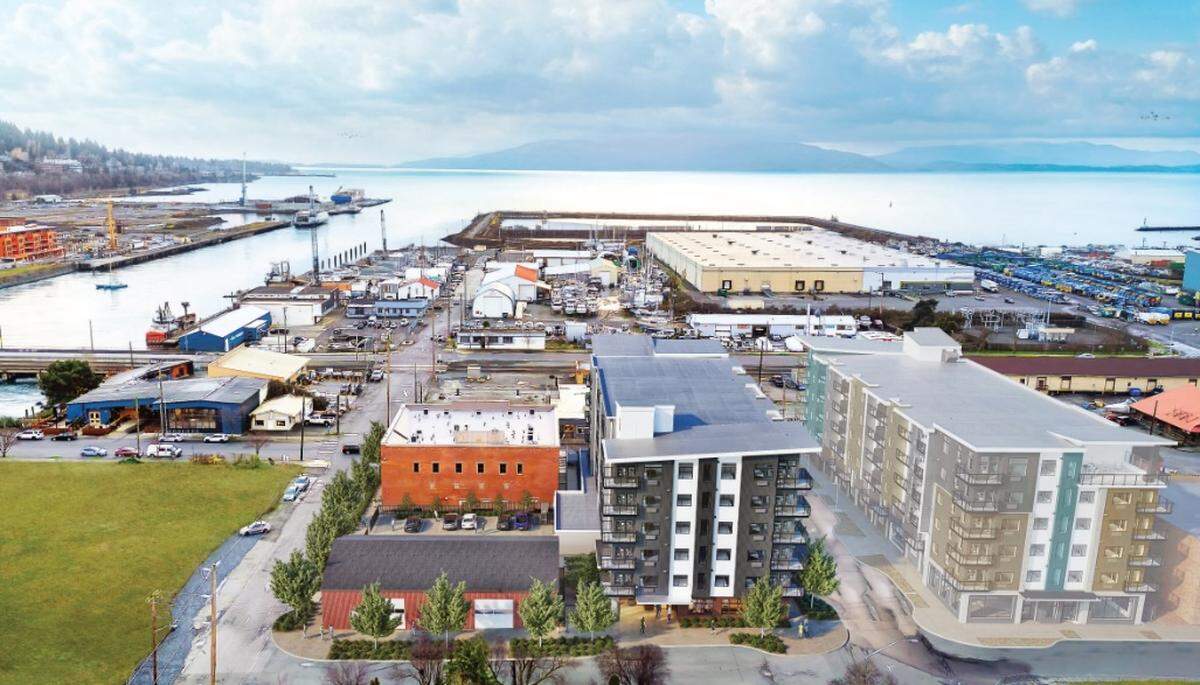
The redevelopment plan is a result of a public-private partnership between the city and various developers.
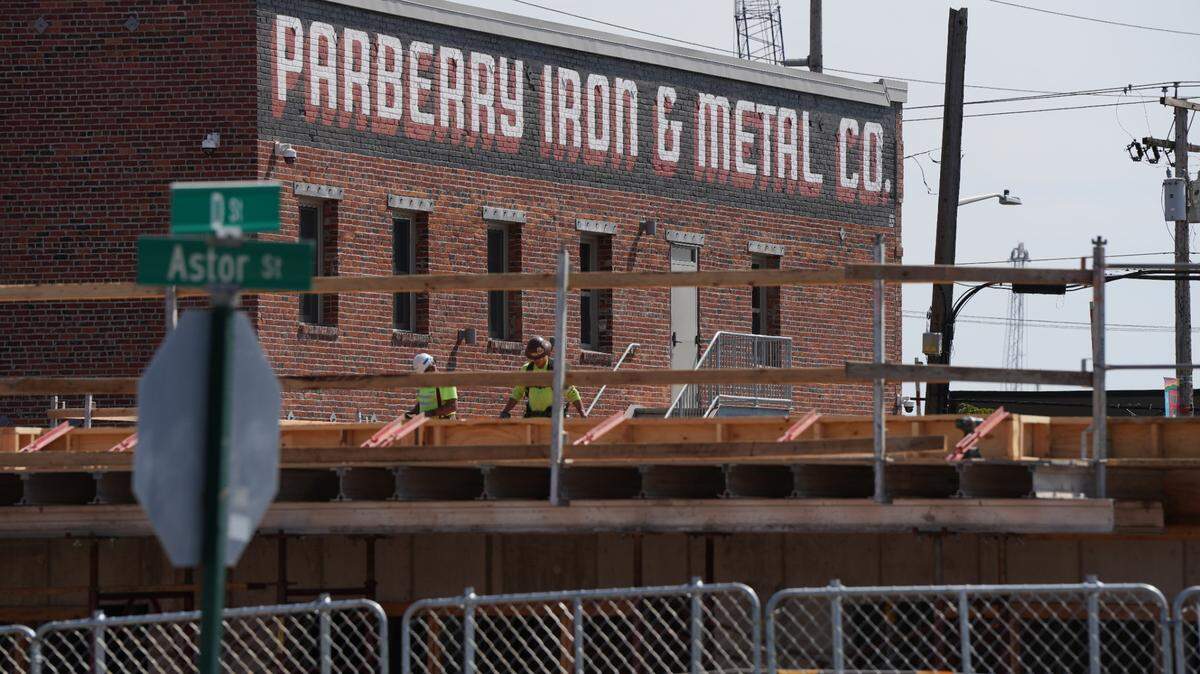
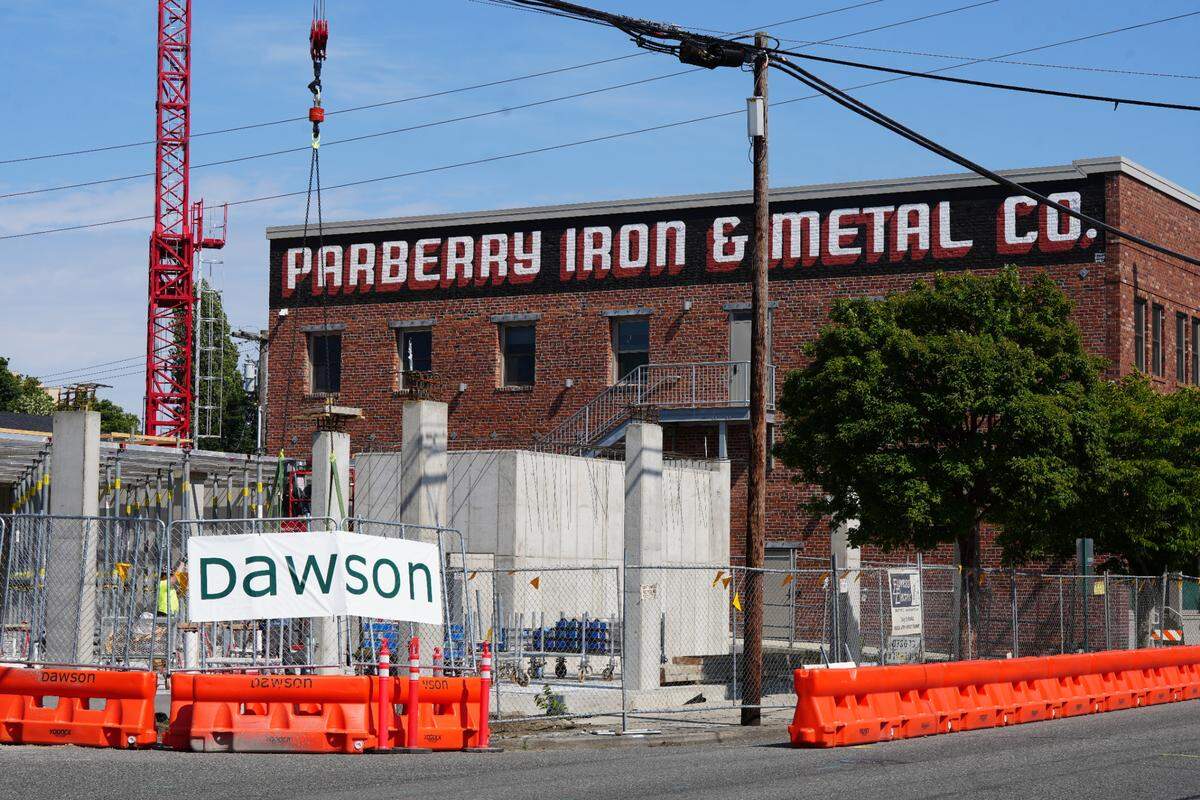
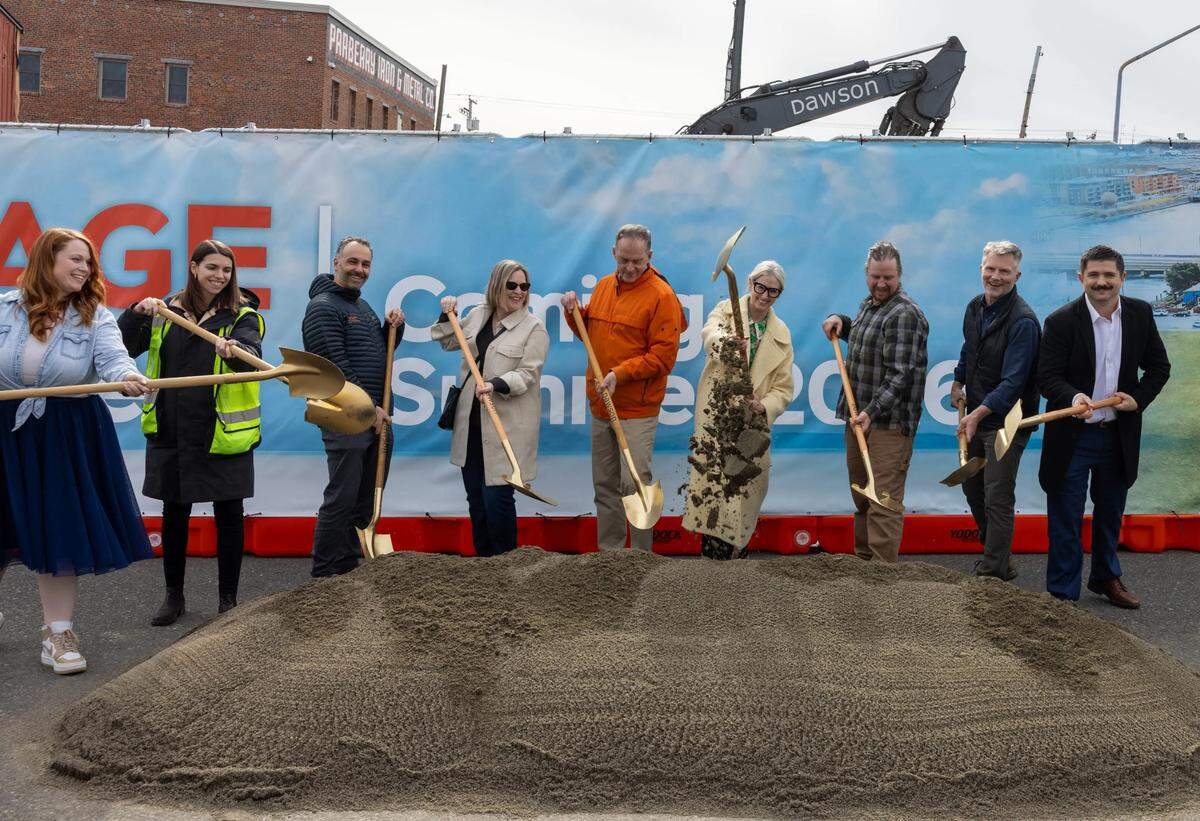
With construction already underway on the first new building, an 84-unit multifamily and commercial project on Astor and Holly streets, the area is beginning to see transformation.
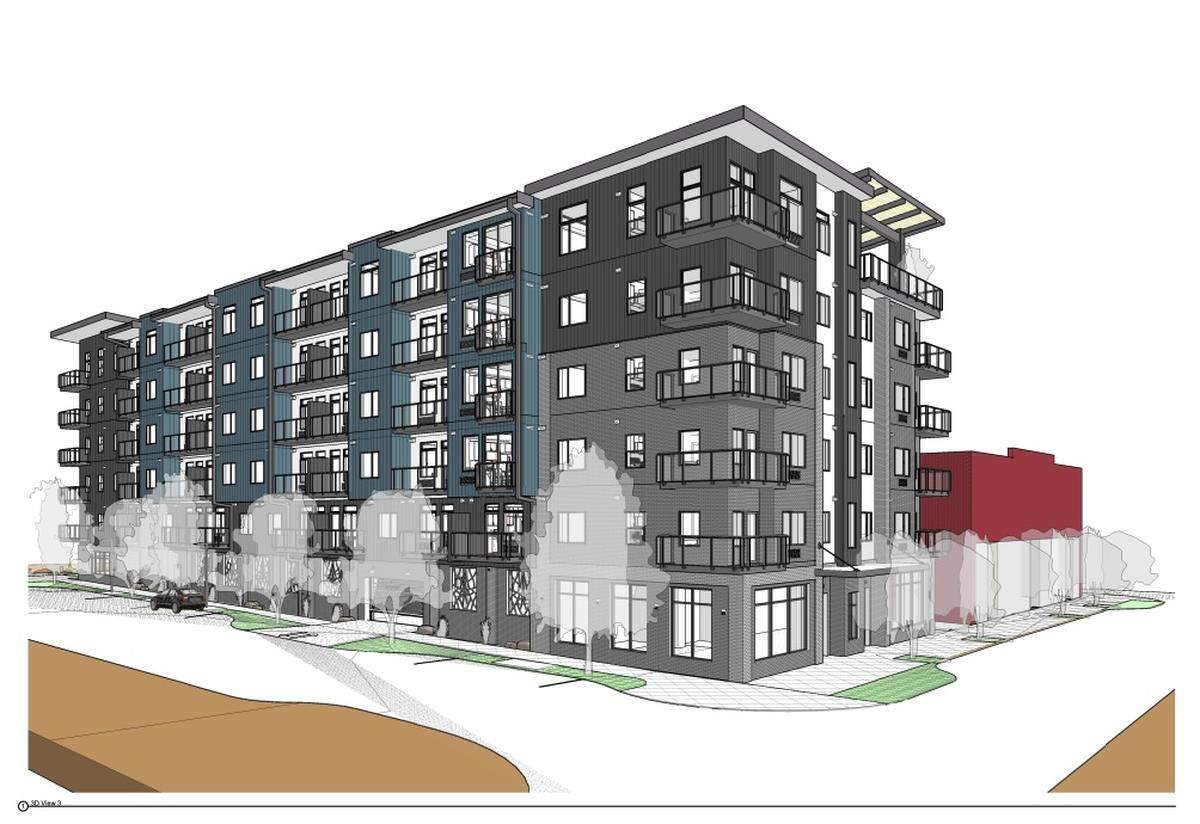
The $11.8 million project is expected to provide middle-income, market-rate housing for between 90 and 130 people. It will also feature about 1,600 square feet of ground-floor commercial space.
Developers have begun the preliminary design work for the next developments expected to come online in the area. Those buildings will include hundreds of residential units.
Curt O’Connor, one of the developers on the projects, grew up in Bellingham and told The Herald it’s been exciting to help transform an area of town that used to be a recycling facility and scrapyard.
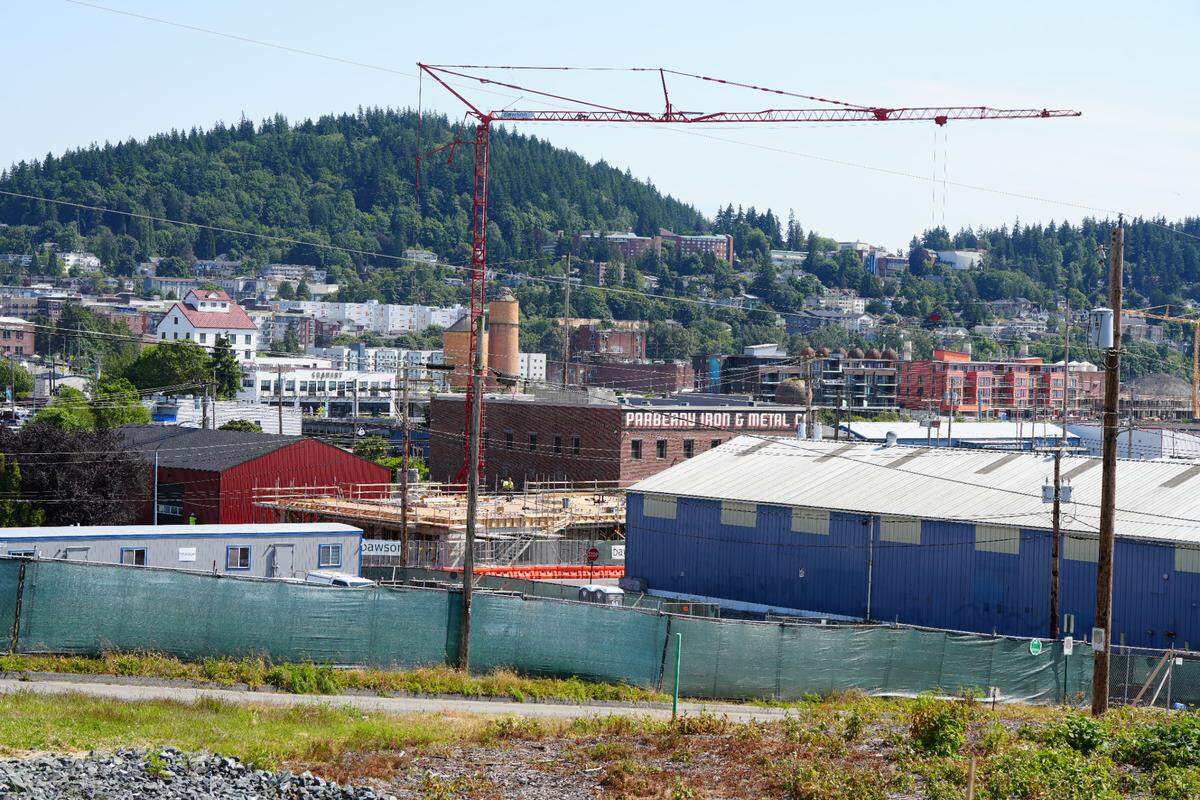
“We’re trying to dispel that ‘black eye,’ and it’s already better. Even two years ago, this place looked a lot different,” O’Connor said. “This has been a real effort — a big effort.”
City staff and O’Connor both said the public-private partnership has been essential in getting the project online.
“One way we can meet housing needs is through partnerships like this one, between the city of Bellingham and our development community,” Sundin said. “Together, our shared investments will reshape Old Town. The addition of several hundred more housing units there supports the economic vitality of our city center, making this a more livable, active and vibrant neighborhood.”
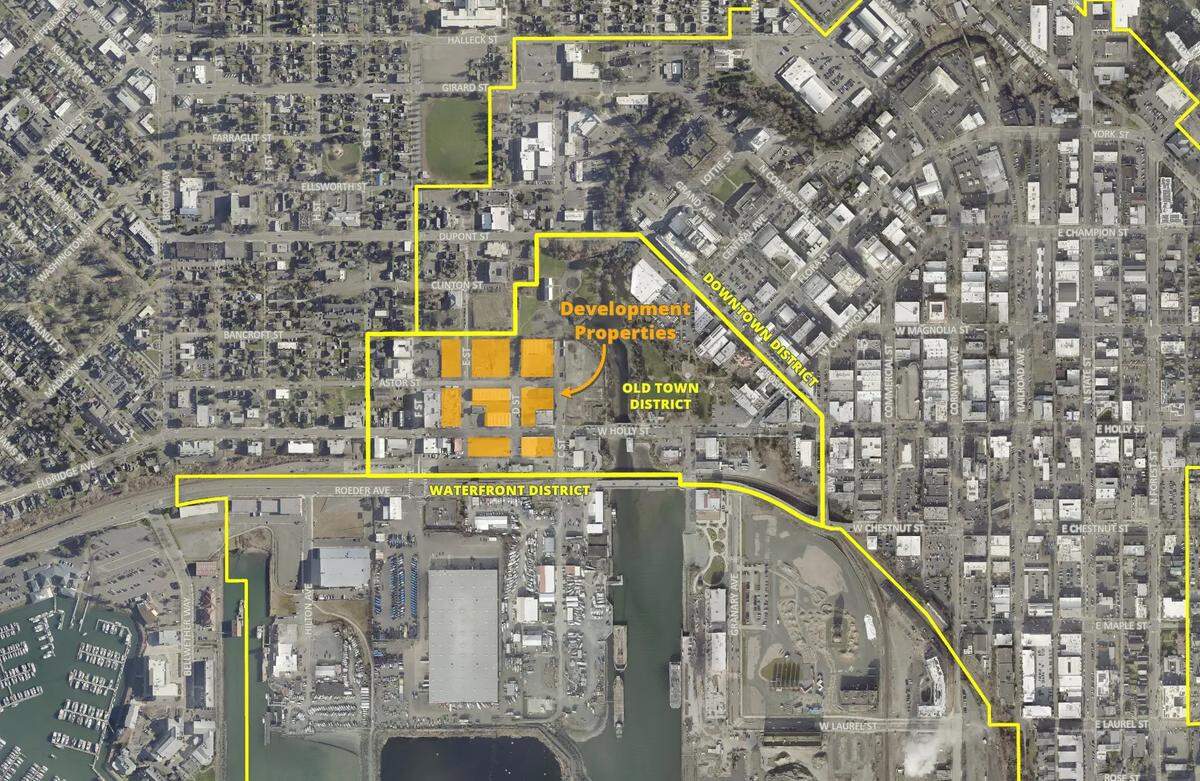
One of the parcels in the development area has been set aside specifically for affordable housing, with a partnership already outlined between the city and Mercy Housing.
Mercy Housing Northwest President Joe Thompson said the nonprofit housing developer intends to move forward with the partnership to build an affordable housing community for seniors.
“We are excited at the opportunity to be a part of the redevelopment of Bellingham’s Old Town neighborhood,” Thompson told The Herald.
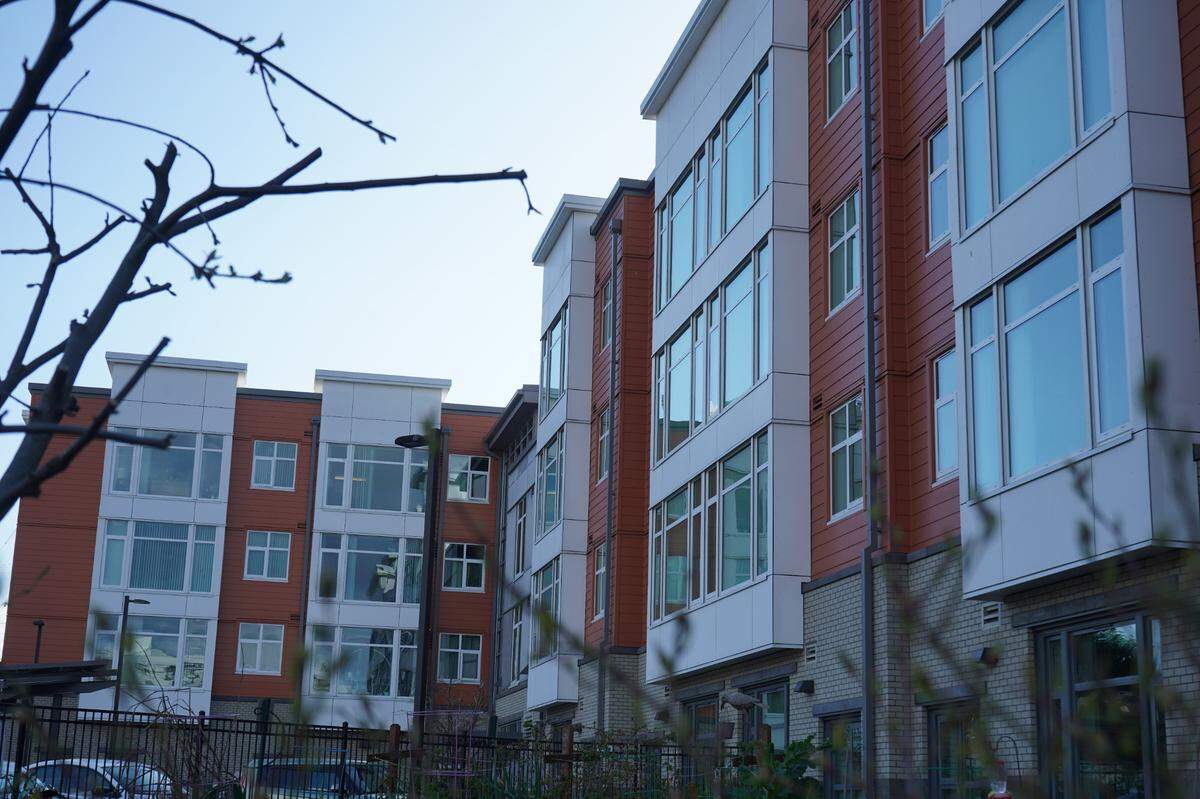
Mercy has not yet purchased the property and doesn’t plan to until all the funding is secured, according to city staff. The Bellingham City Council authorized $5 million to support the development last May. Several other funding sources need to be secured before the project can move forward, city staff told The Herald.
Creating additional housing supply for both moderate- and low-income households is a priority for the city.
To be considered affordable, housing costs can’t exceed 30% of a family’s gross income and must serve families making 80% or less of the area median income, according to the city.
The median household income in Whatcom County is about $80,989, according to the latest available U.S. Census data.
The state established targeted housing goals for every county in Washington over the next 20 years. Between 2024 and 2044, Whatcom County is estimated to need almost 35,000 new housing units. About 22,000 of those units, more than 60%, need to be affordable, according to the city.
Bellingham makes up about 48% of the housing production in Whatcom County. So the city needs to produce almost 17,000 total housing units to help meet the goal. More than 10,000 of those need to be affordable. To stay on track, the city needs to build more than 500 affordable housing units every year.
The Old Town District, where this development will take place, is one of Bellingham’s seven urban villages, which support mixed residential and commercial neighborhoods. Urban villages comprise less than 4% of the city’s land area but are expected to accommodate 30 percent of future growth, according to the city.
There are 817 residential units — 466 multifamily units and 351 single-family units — currently under construction in Bellingham. Another 325 residential units — 162 multifamily units and 163 single-family units — are currently undergoing the application and review process for future construction in Bellingham.
Permits for 534 new residential units were issued in Bellingham in 2024.
This story was originally published June 18, 2025 at 5:00 AM.