Bellingham students get ‘Bite of Reality’ with WECU interactive financial literacy education
When did you first learn about how to create a financial budget? When was your first lesson in building credit, taking out a loan, or paying back debt?
Maybe you’re still learning these skills in adulthood, and if so, you’re not alone.
A lack of financial literacy is estimated to have cost Americans a total of more than $243 billion in 2024, according to the National Financial Educators Council. Washington state law does not require K-12 financial education, but it does encourage school districts across the state to provide all students in grades 9-12 the opportunity to access financial education in some way.
Thanks to a recent grant awarded to Bellingham Public Schools, students are getting that chance.
Students in the Advancement Via Individual Determination (AVID) program now have financial literacy units that focus on everything from the connection between education level and income to understanding credit scores.
“When they’re first learning how to manage all of their bills, they will hopefully be able to make educated choices rather than blindly fumbling through and making lots of financially poor decisions,” said Shuksan Middle School AVID site coordinator Beth Insera.
“Just understanding some of these concepts like credit, debt or interest rates before showing up to make a financial decision is helpful, so they aren’t at the mercy of the lender to inform them. They’re coming in informed.”
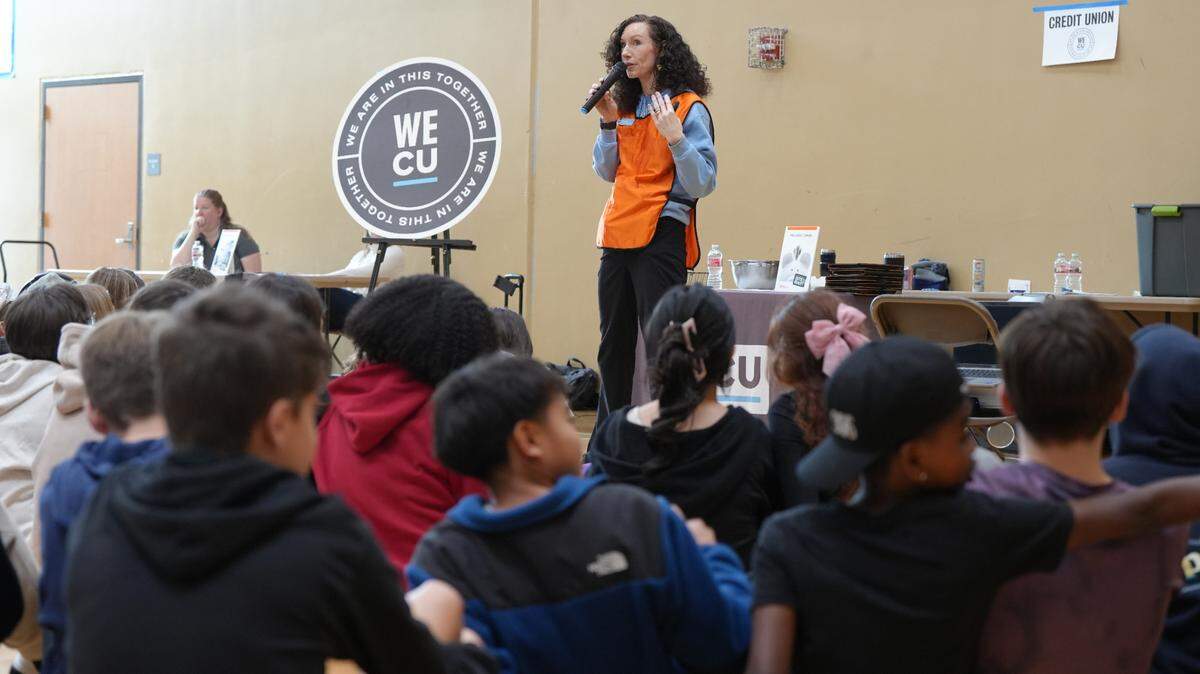
Through a partnership between Bellingham Public Schools and WECU, more than 230 Shuksan Middle School AVID students had the chance to participate in an interactive financial education experience this week that helped them dive into these concepts.
WECU hosted the event — called “Bite of Reality” — for students in grades 6-8 to help them navigate real-world financial scenarios.
WECU Public Relations Director Keith Mader said the credit union sees a wide spectrum of money management among its members, and he hopes events like this help give people a better financial understanding.
“Efforts like this are to help people avoid having unnecessary debt and instead have good credit scores so they can buy homes and build wealth for their families,” Mader said. “It’s so much better if you can educate people about financial literacy when they are young so they don’t get into challenging situations when they are adults.”
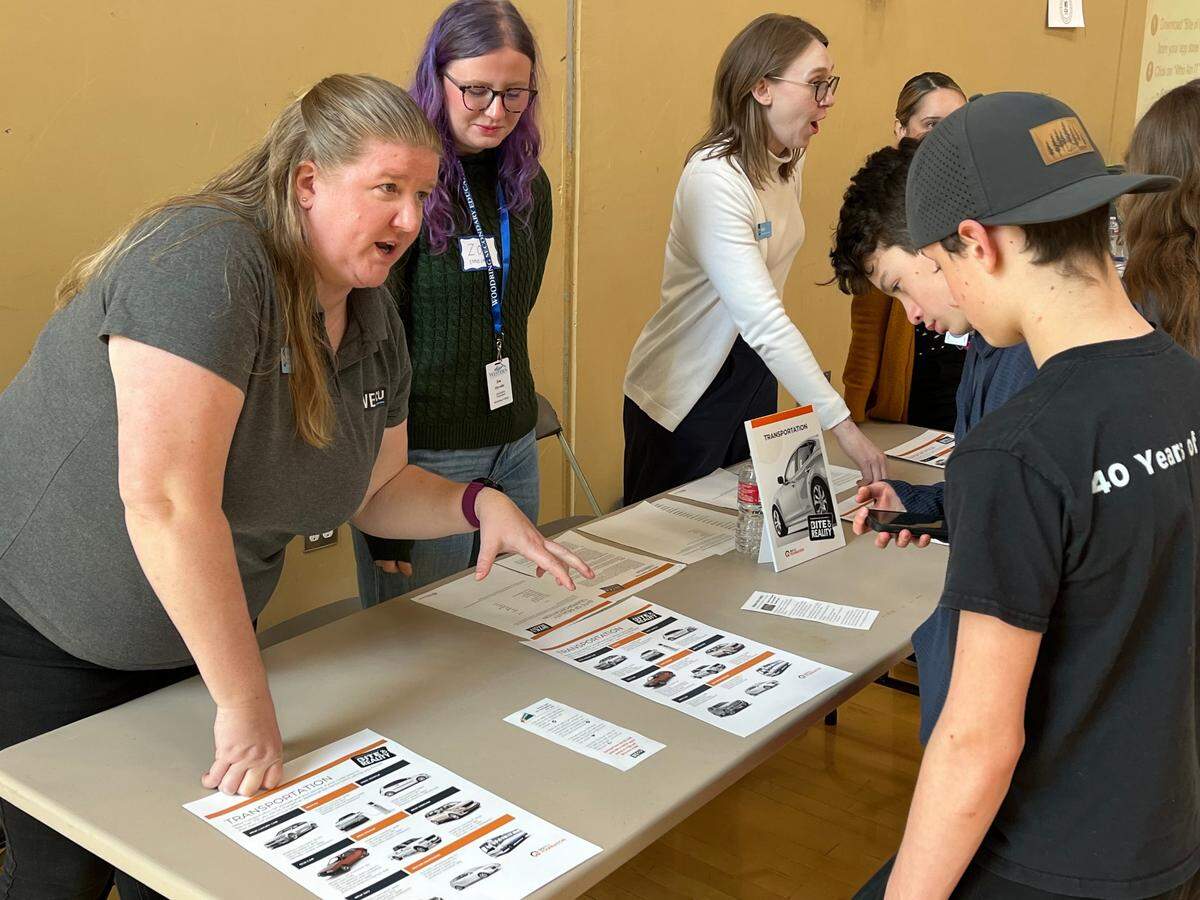
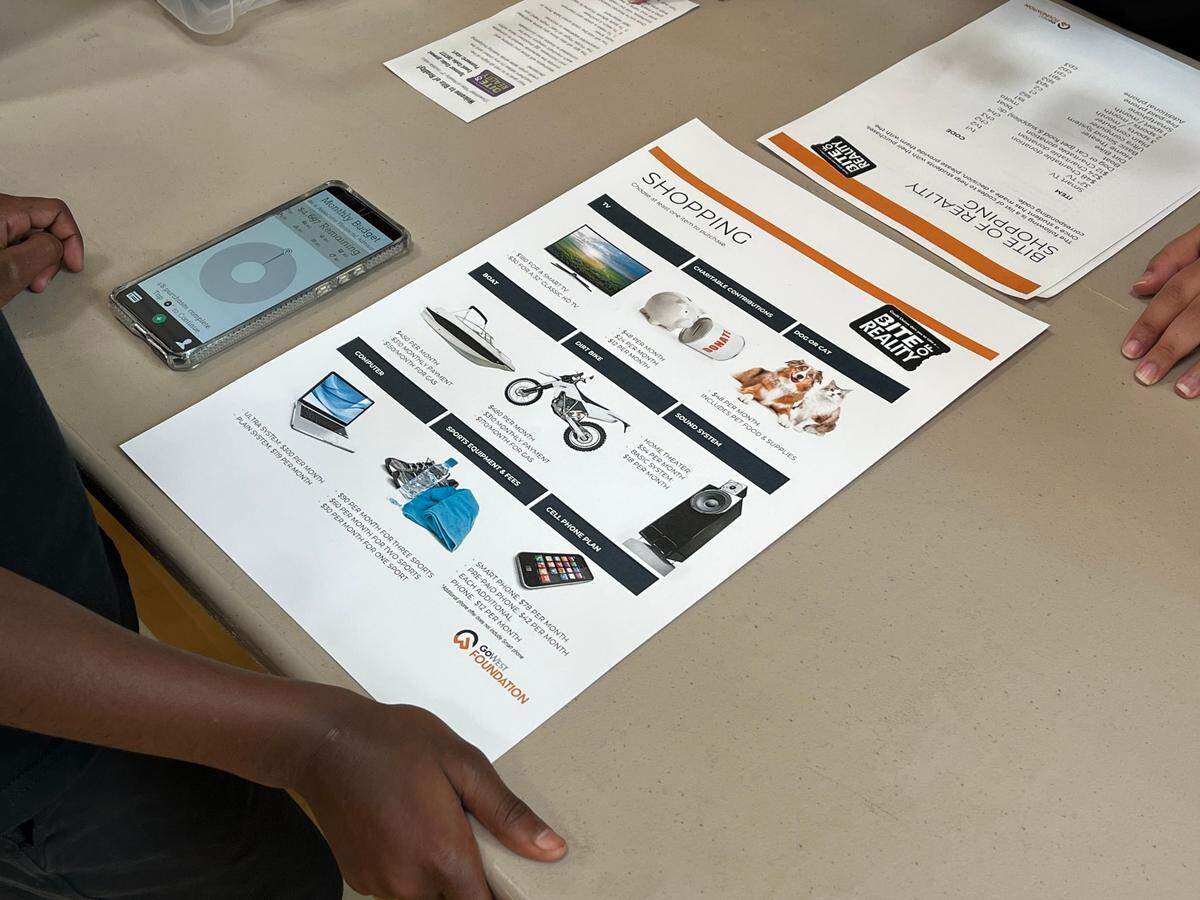
At the event, each participant steps into the shoes of an adult and receives a fictional occupation, salary, credit score, family, loan debt and insurance obligations. Using an app to help guide them through different stations, the students make decisions about how much to spend on purchasing necessities including housing, transportation, food and childcare. Meanwhile, the volunteers at the event are instructed to be persuasive sellers to simulate the challenges individuals may face while taking on financial responsibilities.
“The idea is that we are giving them a dose of reality. They are going to be hard hit with the fact that childcare is expensive. It’s something you need to be planning for if you want to have a child,” said WECU Charitable Giving Lead Virginia Shelton. “We want them to experience getting a really expensive car — more than what they need — so they have to go to the credit union because they went over budget and need to pay off their debts.”
The event is designed to help students develop skills useful for budgeting, saving, managing unexpected expenses and understanding credit. Students who worked to keep their costs low were able to contribute their remaining income to pay down debt or build savings, while the students who spent above their means discovered the financial consequences.
“When we’re given this opportunity when we’re younger, not only does it help us face and understand real-world implications, but it also gives us practice,” said WECU Financial Wellness Representative Cherish Flint.
“Instead of having to wait until we’re 19 or 20 to make these decisions for the first time, now we’re getting that experience in these formative years before we’ve had the chance to form opinions. This allows us to influence the direction of these financial choices before they become problematic. It’s so much easier to start with a healthy habit than to correct one that isn’t as healthy.”