Whatcom County nonprofits navigate uncertainty as federal funding freeze impacts drag on
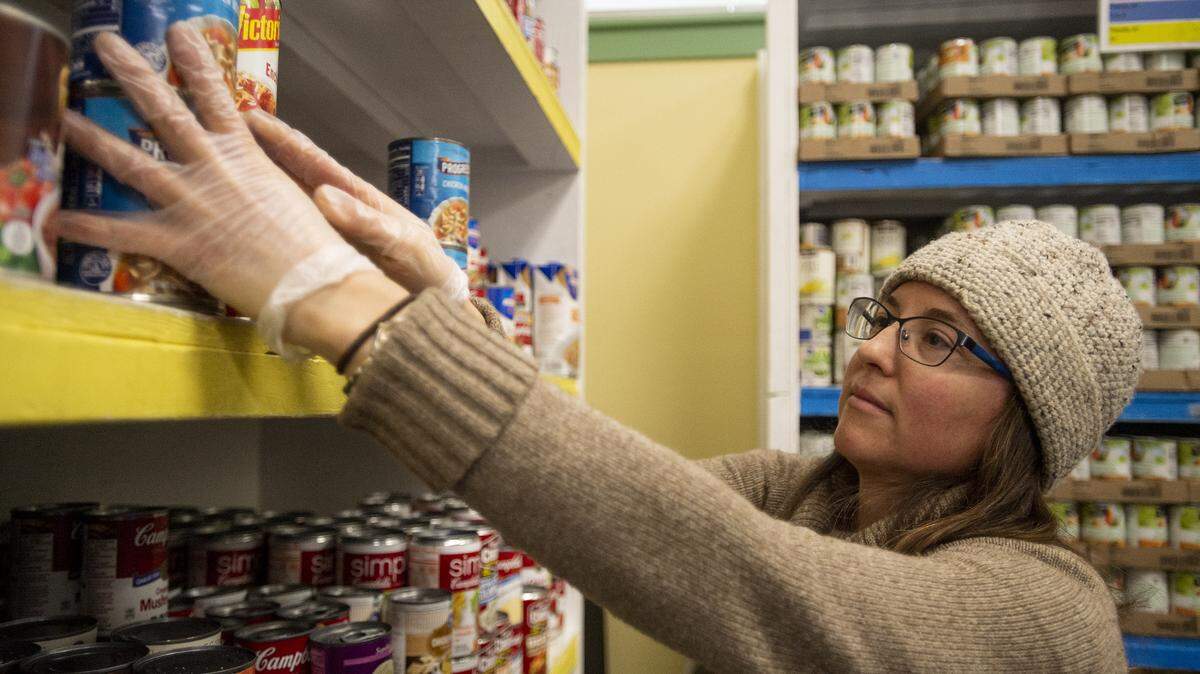
In the weeks after the Trump administration announced a federal funding freeze, Whatcom County nonprofits have been preparing for a possible future with less financial support from the federal government.
Some local organizations have already been forced to make tough decisions related to staff, spending and services, while others are anticipating changes in the near future.
The Whatcom Community Foundation (WCF) helps support local nonprofits through the Whatcom Nonprofit Network with grantmaking, training, networking opportunities, and specialized endowment fund management.
WCF’s Director of Engagement and Philanthropy Jenn Daly told The Bellingham Herald that nonprofit leaders are at a minimum, “stretched even thinner as they try to navigate uncertainty,” and they are being forced to plan for the unknown.
“Organizations have diverted staff time away from their mission-related work to better understand the landscape; assessed their risks to make contingency plans; paused programs until they have more clarity on what’s likely to happen next; fielded questions from clients, staff, donors, funders like the Community Foundation and the media; and are planning for temporary or permanent staff reductions,” WCF CEO Mauri Ingram told The Herald.
“If funds already committed are rescinded, they could have budget shortfalls and potential short or long-term impacts on programs and projects as well as potential long-term financial instability, depending on the organization,” Ingram said.
A few local nonprofits spoke to The Bellingham Herald about the kinds of challenges they are facing.
Bellingham Food Bank
The Bellingham Food Bank is facing a significant loss of supply as a result of recent cuts and suspensions to USDA food security programs. More than $4,000,000 worth of food, which was planned to be purchased by the Washington State Department of Agriculture and distributed to food pantries and meal programs across the state, was suddenly revoked.
The USDA also announced its Local Food Purchase Assistance program will no longer be available in 2025. The federal program allotted funding to support the purchase of locally produced food to be distributed to individuals experiencing food insecurity, which the Bellingham Food Bank has used for the past two years to distribute local produce across the Whatcom County Food Bank Network.
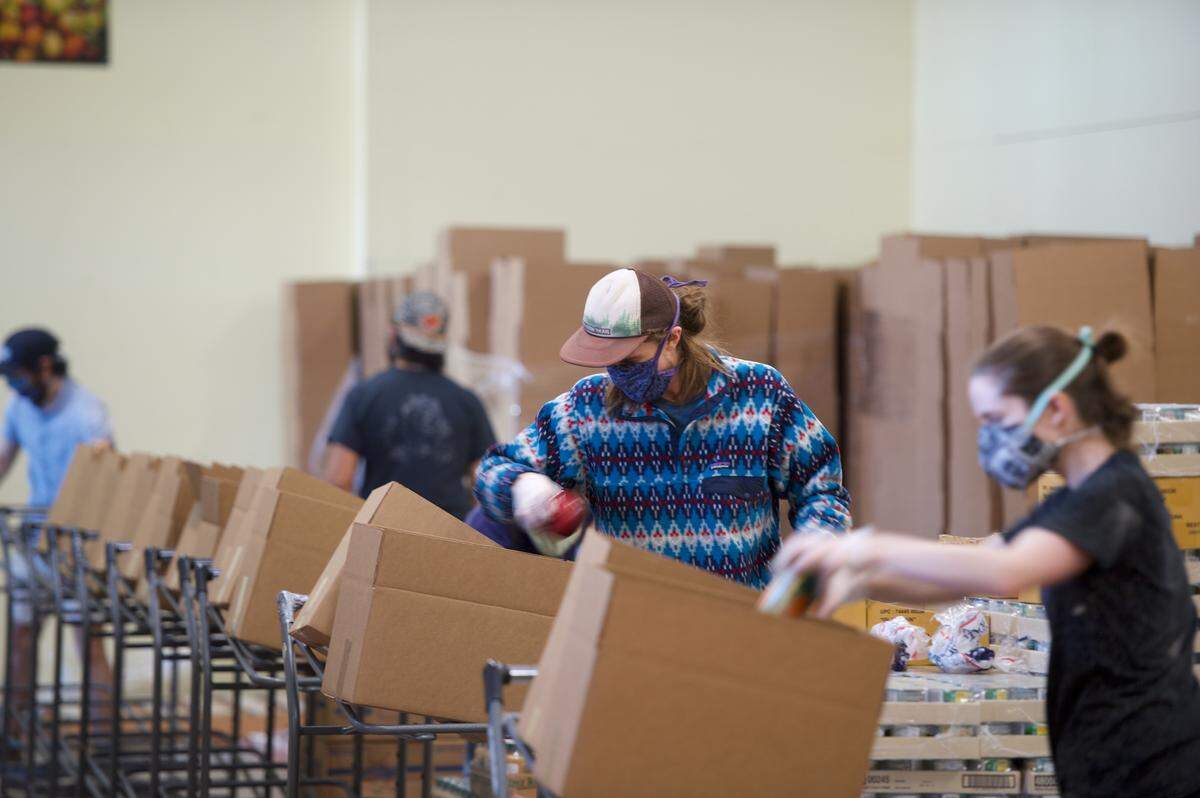
“The confusion and likely reduction or end to these critical anti-hunger programs couldn’t come at a worse time” said Mike Cohen, Bellingham Food Bank’s Executive Director in a statement.
These losses mean Bellingham Food Bank will be directly impacted at a time when food bank visits in Whatcom County are at an all-time high and have grown to twice the state average, according to Cohen.
The result will be less food for hungry people and fewer fruits and vegetables from local farmers this season, Cohen said.
Sustainable Connections
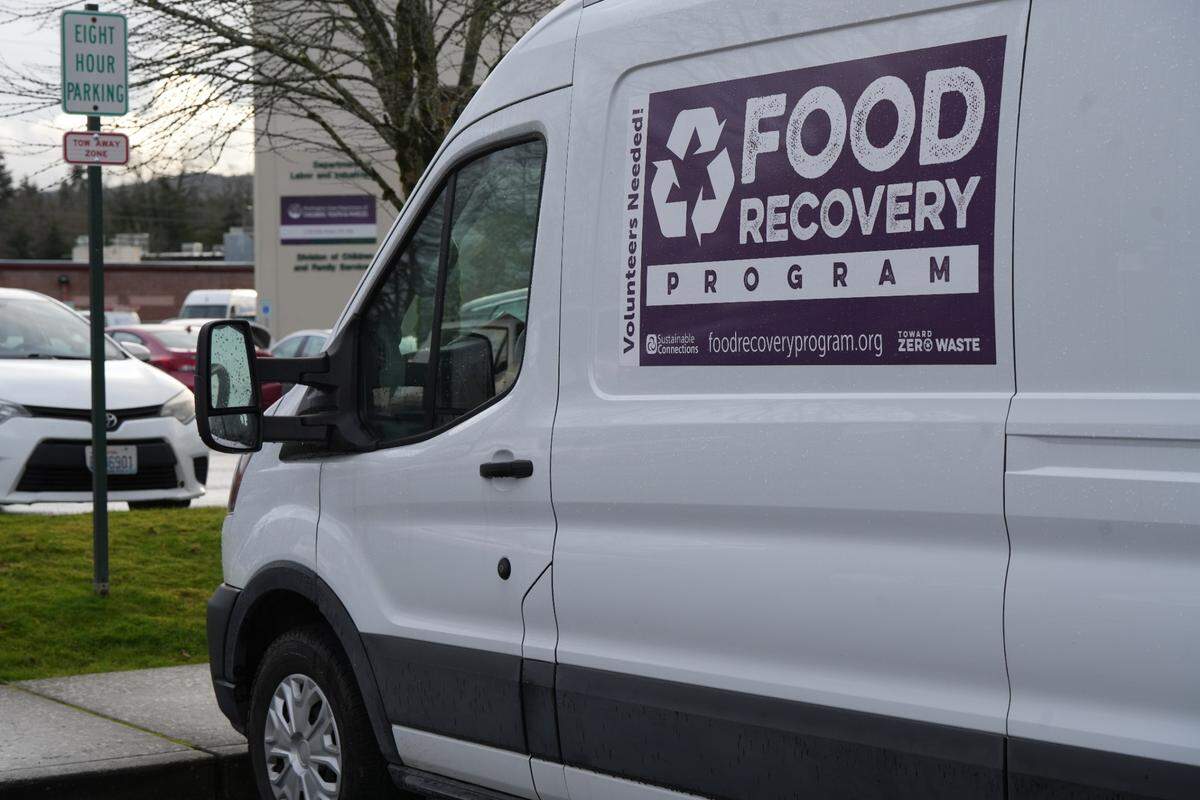
The nonprofit Sustainable Connections manages nine federal multi-year grants totaling $2,466,954. The organization’s 2025 budget includes about 20% of federal funding sources.
Sustainable Connections was notified in January that three of its largest federal grants were paused, delaying almost $120,000 in reimbursements from 2024 while putting an additional almost $140,000 of planned spending on hold for 2025, according to the organization’s Executive Director Derek Long.
Long called these freezes “incredibly discouraging” for the nonprofit, which he said works very hard to receive competitive funding for its programs and services.
“There’s so much work involved in all of that,” Long told The Herald. “In the nonprofit world, you don’t just get the money you need because you’re a good-hearted person. You have to go through so many stages of vetting.”
Just this week the nonprofit learned that payment for one of its grants had resumed. But the status of the other two is still uncertain.
Long said nonprofit staff are feeling uneasy but are trying to remain positive that funding will stabilize. Long told The Herald that local donors are stepping up to fill some of that critical need.
“We have a very diverse funding base for most of our programs. It’s hard to replace these larger federal contracts, but it still is reason for a bit of hope to see individual donors sending in support,” Long said.
Long said Sustainable Connections is pushing for the release of funds while also staying in contact with grant administrators, community partners and state representatives to help support and maintain their essential programming.
“Despite the uncertainty, we are committed to supporting our community,” Long told The Herald.
Whatcom Family and Community Network
The Whatcom Family and Community Network is a local organization that works to promote the well-being of children, youth, and families through community support and capacity building. Much of the nonprofit’s work involves preventing substance use and supporting mental wellness in youth.
About one third of the organization’s funding comes from federal sources.
WFCN Executive Director Kristi Warren Slette told The Herald that funding is always a challenge for nonprofits and they are used to change. But this freeze has impacted them differently.
“In the nonprofit sector, we live on shifting sand. But this doesn’t feel like a regular wave,” Warren Slette said.
Since the initial freeze announcement, the organization has been “mentally preparing for the worst,” Warren Slette said. They’ve had to consider the possibility of staff reductions or whether to take out a line of credit to maintain their programs.
She said staff members are “very nervous” and some have started looking for work that is not dependent on federal funding.
“It’s absolutely stressful. Nonprofit work is already stressful,” Warren Slette said. “The lack of stability that announcement creates gets under the skin of your staff, your volunteers, everyone. It creates a sense of insecurity.”
Warren Slette said the impact of funding loss for their organization would be detrimental for the community. Similar to other nonprofits, WFCN is preparing to make changes but still holding out hope.
“We’re hoping for some sense of compassion, responsibility, higher levels of communication and planning. If there are going to be changes, there are going to be changes. But let’s do this in a way that gives us time to respond thoughtfully, give people time to adjust, and not do it in a hurtful, painful way,” Warren Slette said. “Our people are everything.”
Editor’s note (March 17): This article has been revised to clarify Sustainable Connections’ budget. The nonprofit manages nine federal multi-year grants totaling $2,466,954, and it’s 2025 budget includes about 20% federal funding sources.
This story was originally published March 15, 2025 at 5:00 AM.