Where is Bellingham’s day shelter? Strained service providers say there’s an ‘urgent need’
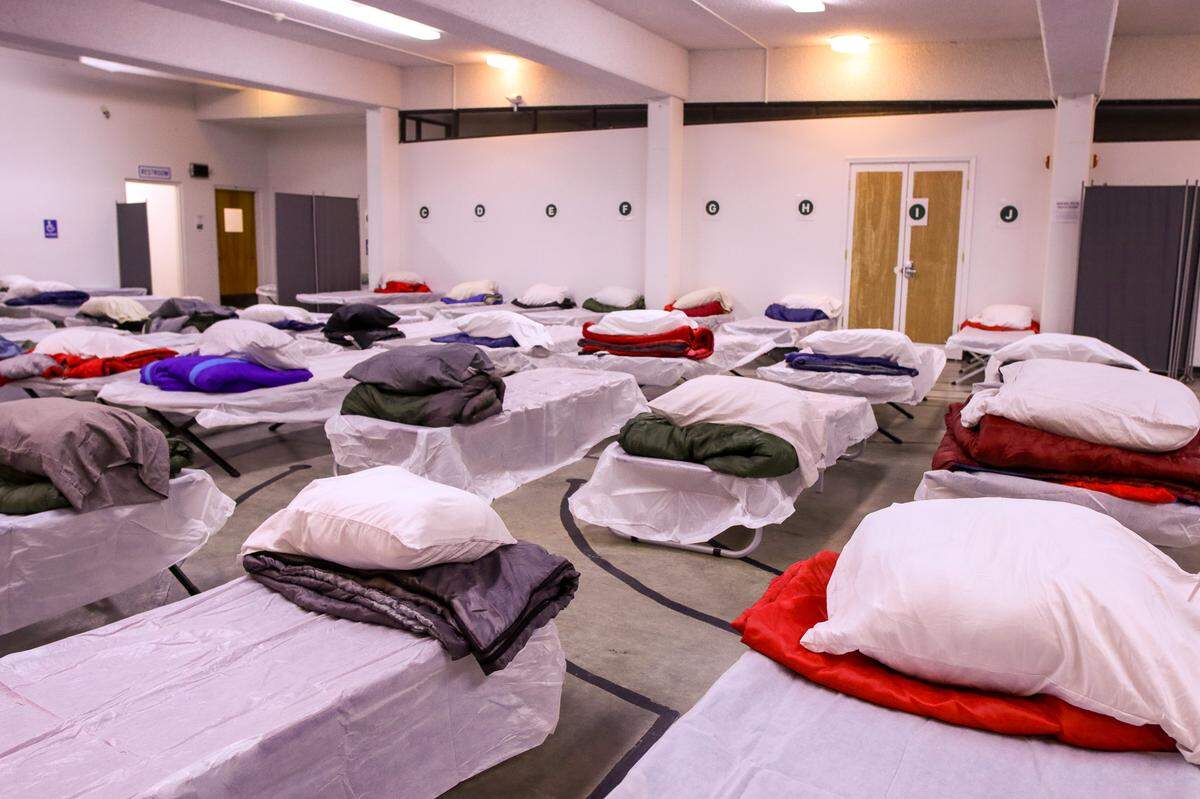
Without an operational cold weather day shelter and enough overnight shelter facilities in Whatcom County to fulfill the need, local service providers say they are stretched thin trying to support unhoused community members.
“We don’t want to see another winter like this. It’s too hard for our people that are out there,” said Recovery Café Bellingham Operations Director Amy Kenna at a Whatcom County Council meeting on Tuesday.
The Recovery Café in Bellingham is a peer-support nonprofit focused on helping individuals move through addiction recovery. It’s not a day shelter but many of the individuals seeking support at the Café are experiencing homelessness or are housing insecure. The Recovery Café has stepped in to partner with local service providers at the space to help guests navigate available resources such as additional treatment support, medical care, shelter availability and housing opportunities.
Kenna told members of the Whatcom County Council that staff and volunteers at the Café have seen a need for more overnight sheltering this year and advocated for an additional seasonal shelter next year.
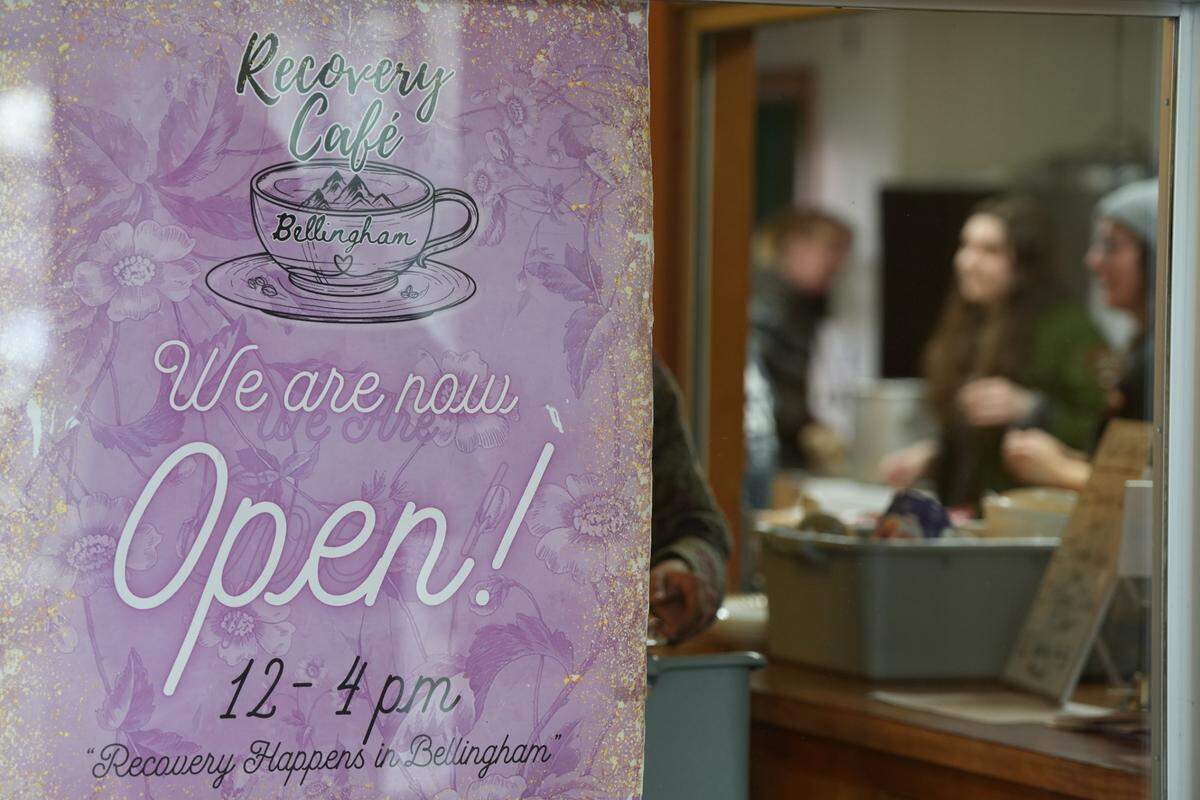
“We commend the work that the Lighthouse Mission is doing and we are also grateful for the severe shelter. However, a number of us have noticed that there is not a seasonal shelter this year,” Kenna told the council. “That might take away some of the capacity burdens.”
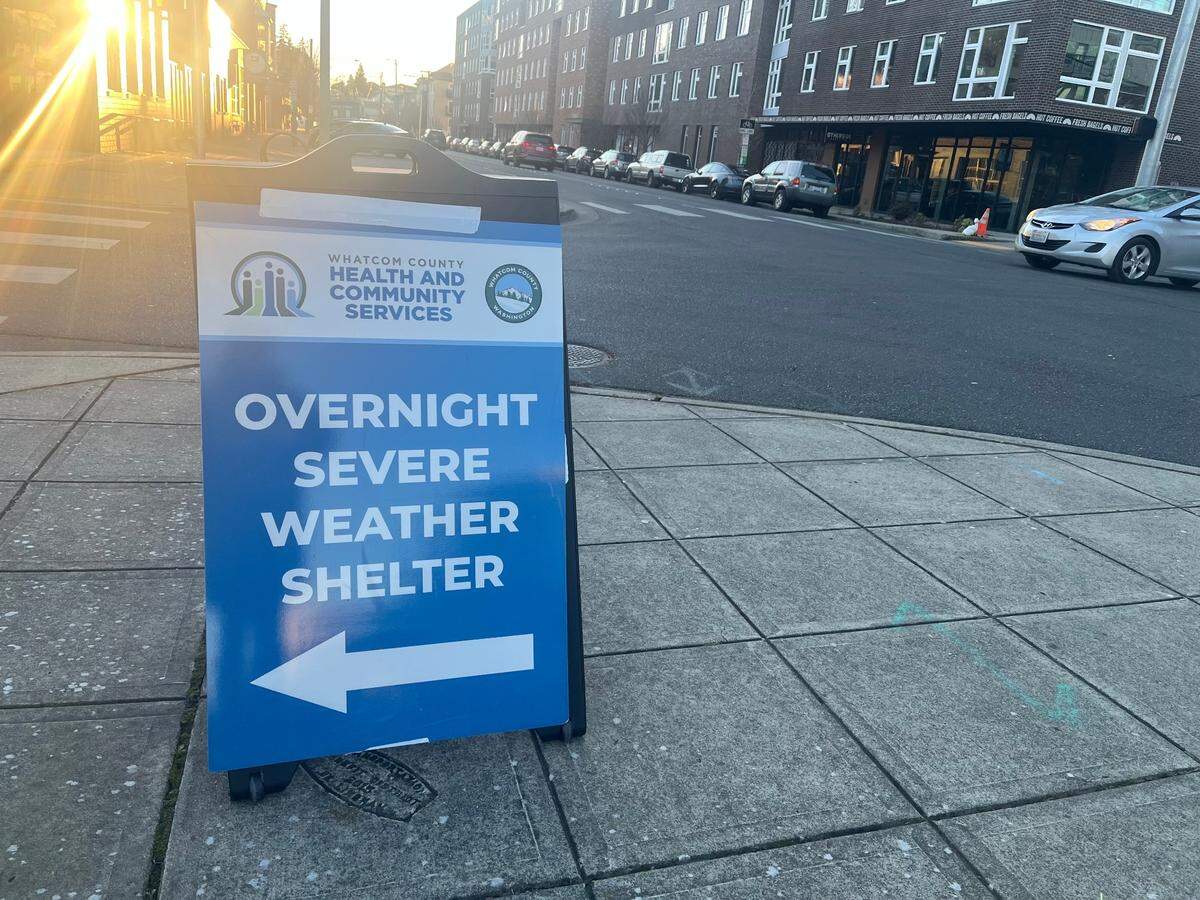
Hundreds of overnight shelter beds are available locally during extreme weather conditions between Whatcom County’s severe weather shelter, Ferndale’s severe weather shelter and the Lighthouse Mission Ministries shelter operations. Still, people are turned away from shelter as demand is greater than capacity.
In years past, the city of Bellingham has operated a temporary daytime warming shelter and has funded various forms of overnight winter shelters as an emergency response to severe weather conditions. The shelters have been staffed by city leadership, members of the Homeless Outreach Team and Bellingham Public Schools staff — something the city says is only sustainable during extreme conditions such as significant snow accumulation or single-digit daytime temperatures, which have not yet occurred this winter.
Without a daytime shelter this year, unhoused individuals struggle to find a place to go between overnight operations.
Whatcom County Health and Community Services Director Erika Lautenbach previously told The Herald that the lack of a day shelter in the community this year is “one of the key gaps” in shelter services.
“The truth is it’s really cold still and folks don’t have a place to go,” Lautenbach said.
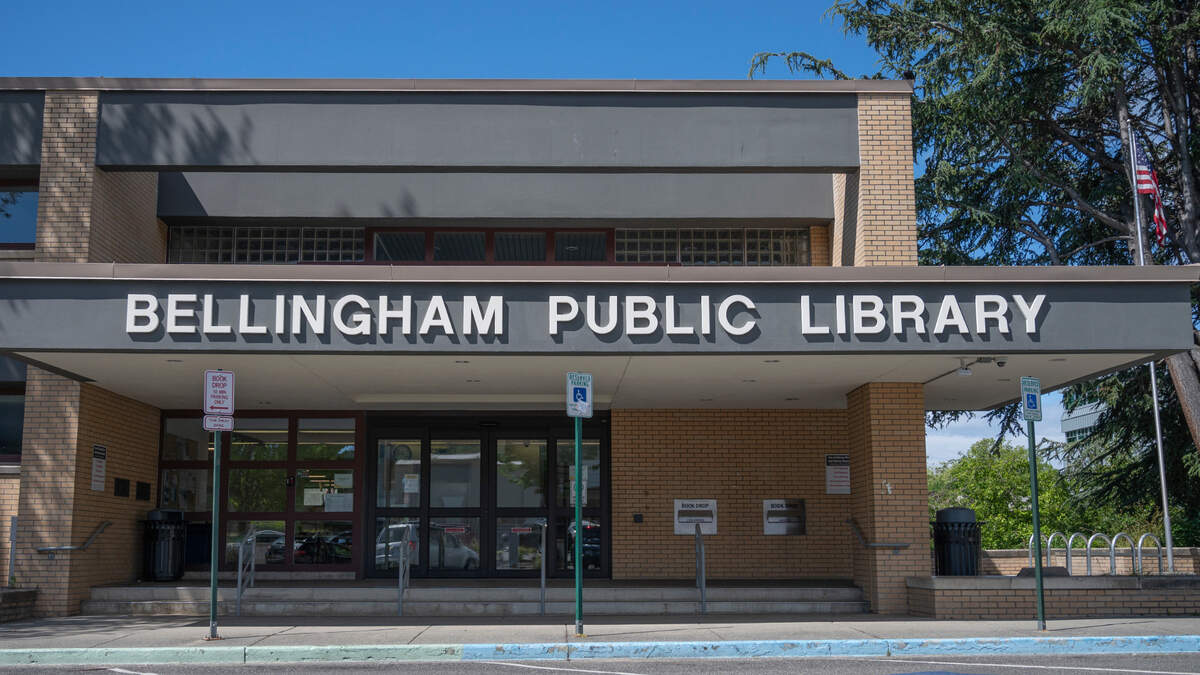
Many unhoused individuals seek daytime shelter at local libraries, which are often operating beyond capacity, according to Bellingham Public Library Director Rebecca Judd.
The Central Library’s main floor seating area has seats for 64 individuals intended for reading and research. That space is often filled and sometimes overfilled, Judd said.
“During the fall and winter seasons, the Bellingham Central Library sees an increase in visitation and length of stays. This winter, in particular, we have seen an increase in the number of people who are needing a place to get out of the rain, snow, or cold during the day,” Judd said. “There is an urgent need in our community for a day shelter.”
Two behavioral health specialists from Lake Whatcom Center are embedded at the library to help support the various needs of individuals. Still, the needs of those seeking shelter at the library often extend beyond what staff are able to offer, Judd said.
With needs ranging from storage, meals, and beds to case management and a place to keep pets, the library is unable to address them all.
“It’s been a very challenging fall and winter for the library, for library staff who care deeply about serving our community, and for those in need. Right now, the Central Library is providing a truly unsustainable level of daytime shelter. There are many more people in need in our community than there are adequate facilities available for people during the day,” Judd said.
City of Bellingham Communications and Community Relations Director Melissa Morin told The Herald that funding for emergency shelter operations is distributed by the state to Whatcom County, which allocates the available resources. The city has historically financed shelter operations using money from its general fund, according to Morin.
“We continue to be supportive of the county leading on the issues of shelter in our community, and we recognize the needs are beyond the capacity of local government,” Morin told The Herald. “To expand the services in our community to include a daytime option would require additional resources.”
One of the main limiting factors for operating a seasonal or year-round shelter is trained staff and volunteers, Morin said.
“For any type of day shelter to be feasible, there would need to be a qualified, experienced organization to run it,” Morin said.