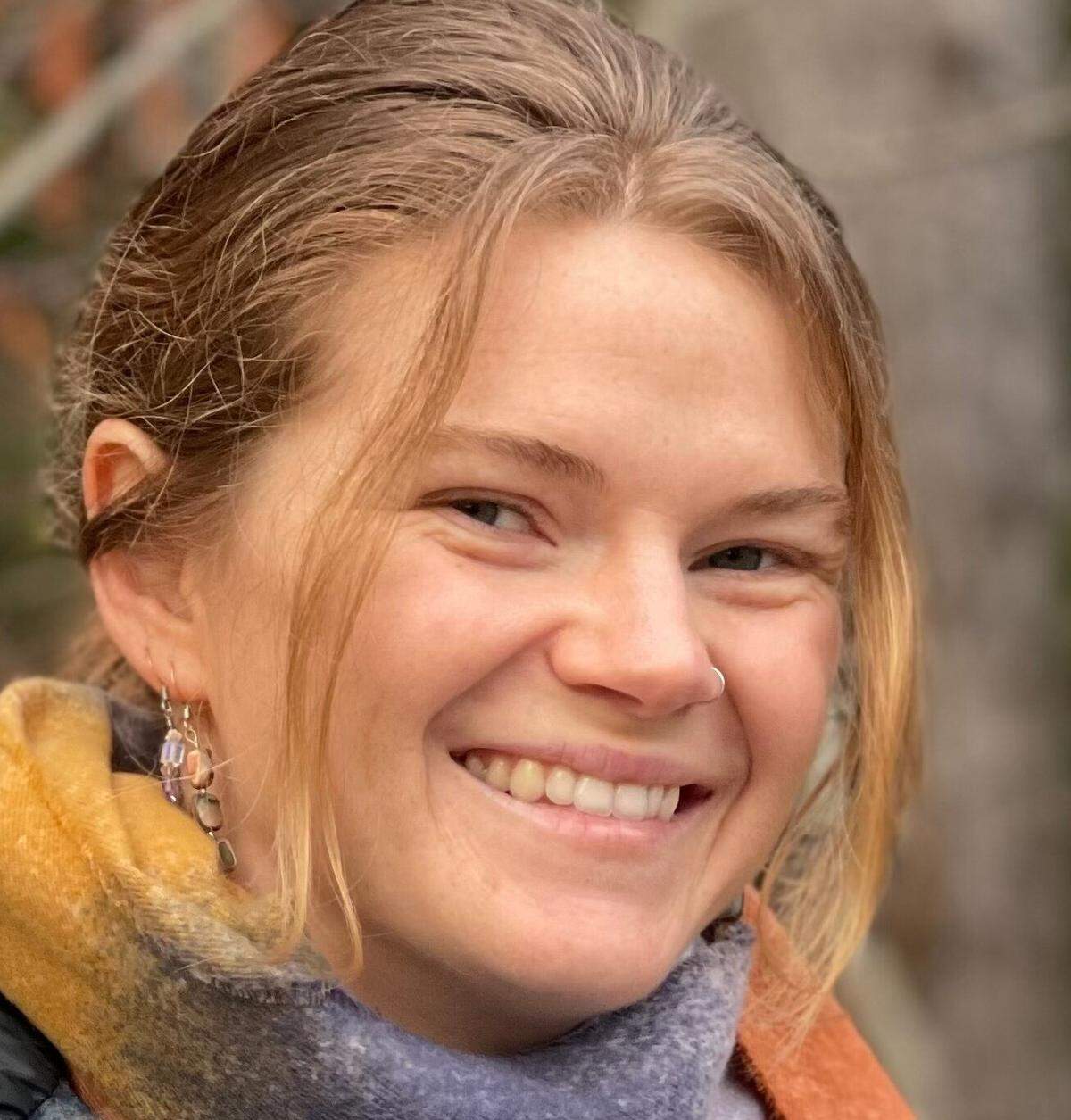
‘A fresh perspective’: Lummi Tribe member reflects on representing U.S. at 2024 G7 forum
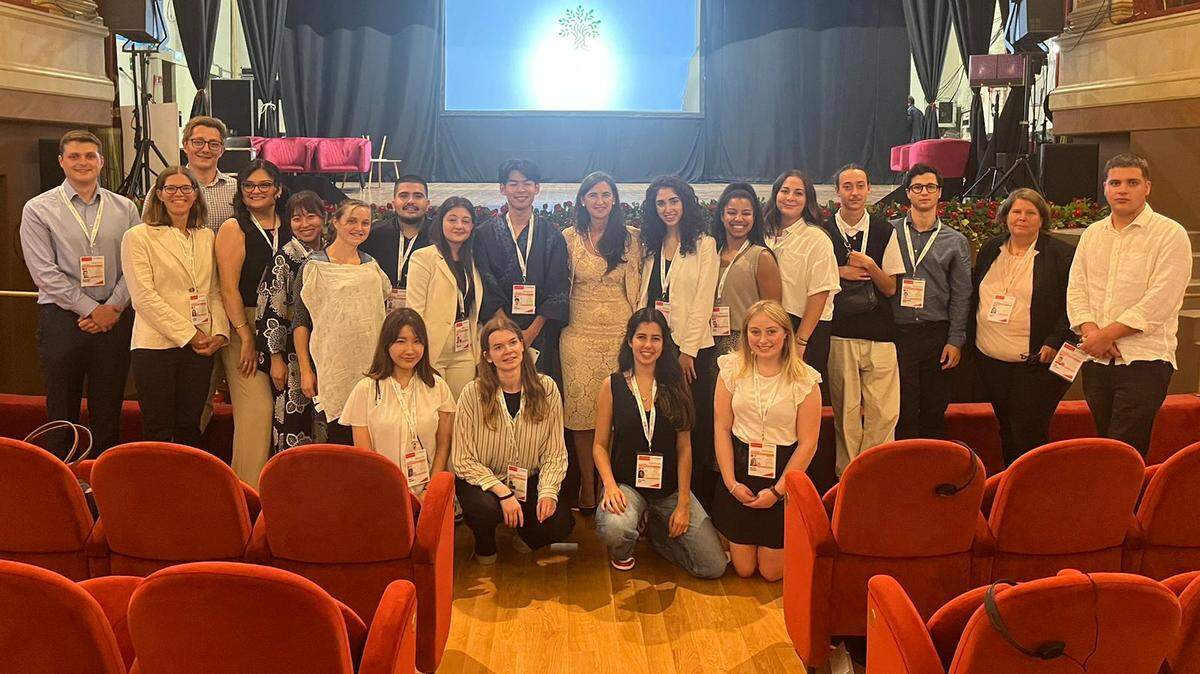
A lifetime spent fishing in the Salish Sea unwittingly prepared Lummi Tribal Member Steffan Kinley for a powerful moment he says he never could have predicted — the opportunity to speak at the 2024 G7 Ministers’ Meeting on Agriculture about the importance of aquaculture and sustainable agriculture.
Kinley grew up fishing with his family, deeply connected to the land and cultural history of the Pacific Northwest. He more recently began pursuing research at the Northwest Indian College (NWIC) focusing on shellfish toxins and the importance of long-fin smelt as they relate to conservation and sustainability.
“I figured I would get into this field because I know quite a bit about marine science. It’s my main driver to do what I can to help the salmon recovery,” Kinley said in an interview with The Herald.
The Lummi Nation culture is deeply connected to salmon, which are considered to be a vital part of the Tribe’s identity and economy. As a critical species in the Salish Sea ecosystem, Tribal governments have been working for years in partnership with federal and state agencies to recover and restore salmon populations.
Through his connections and research at NWIC, Kinley was invited to participate in a U.S. Department of Agriculture program called NextGen in the first half of 2024. The program is designed to enable higher education institutions to support students to build the next generation of diverse food, agriculture, natural resources, and human sciences professionals.
NWIC Salish Sea Research Center Director Misty Peacock works with Kinley in his research role and received the grant funding that facilitated his participation in the NextGen program. Peacock said Kinley’s engagement in the program and lived experience opened more doors for him.
“He has a lot of traditional knowledge in agriculture growing up fishing with his father,” Peacock told The Herald. “He brought a perspective that shows there are lots of different ways of doing aquaculture and helped people see what the next generation of aquaculture could look like.”
NextGen was a launching pad for Kinley and two other students participating in the USDA program, who were all invited to attend the 2024 G7 Ministers’ Meeting on Agriculture in Italy last fall.
“Me and the two other students were picked out of about 5,000 other students who participated in the NextGen program. I think it’s because I’m not afraid to speak up in front of a bunch of people,” Kinley said.
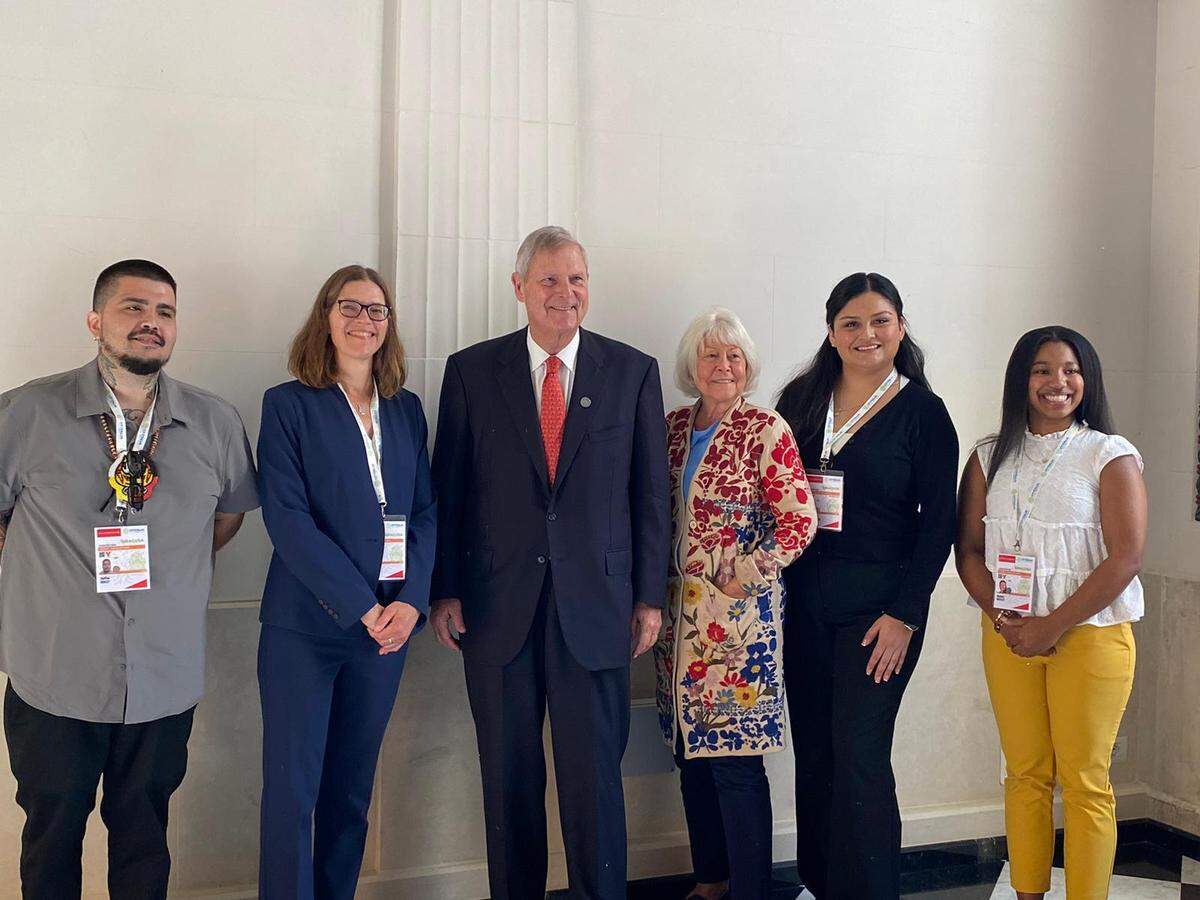
The three students were selected from the United States to represent the country and participate in the G7’s Agri-Young Hackathon with students and farmers from around the world to discuss and propose policy recommendations as solutions to world issues in agriculture.
“We were there to give them a fresh perspective and new ideas,” Kinley said. “I had to pinch myself and realize that I was meant to be there. They picked me for a reason. I’m qualified.”
“He showed that you don’t need a Ph.D. to talk to these leaders. People who have experienced the things Steffan has are valuable,” Peacock said.
Kinley was assigned to a group specifically dedicated to the issue of global water scarcity, something Peacock said Kinley was uniquely qualified to speak on.
“As an Indigenous person, he walks a path in both worlds. He’s a highly trained scientist who uses his culture, works with his family, and protects his multigenerational traditions,” Peacock said. “There’s a lot of different ways of knowing and he showed that it doesn’t always have to be the most emergent science or the newest idea.”
“Agriculture is so important but you need water to make that happen. I was there to provide that perspective,” Kinley said. “Me being Native American, I thought about our history and our past. That was one thing that helped motivate me.”
Kinley told The Herald he drew on his experience as a Tribal member to help the G7 leaders understand the value of working with local communities to identify their individual needs and protect their culture, rather than dictating possible solutions from the top down.
“If we’re trying to figure out how to help with hunger in Africa for example, I feel like we should have someone from Africa involved in the conversation to give their input about what they feel they need help with instead of going in there and trying to make the people there into something they’re not,” Kinley said. “We shouldn’t turn fishers or gatherers into farmers when it’s not their thing or the area they’re in doesn’t have the greatest conditions for it.”
Reflecting on his experience, Kinley said he returned home with a desire to be even more involved in his community and share his research.
“I want to put myself out there for this Tribe, for my people. It was an honor to represent this country and this experience helped me feel like I’m going in the right direction,” Kinley said.
This story was originally published January 21, 2025 at 5:00 AM.