Invasive species be gone: WWU club tackles ecological restoration in the Sehome Arboretum
Bellingham’s Sehome Arboretum has fewer invasive plants in its forest this winter after a newly launched Western Washington University club began the process of removing them.
The Students for Ecological Restoration Club aims to get students involved in “boots on the ground” restoration work in the local community to help preserve ecosystems for current and future generations.
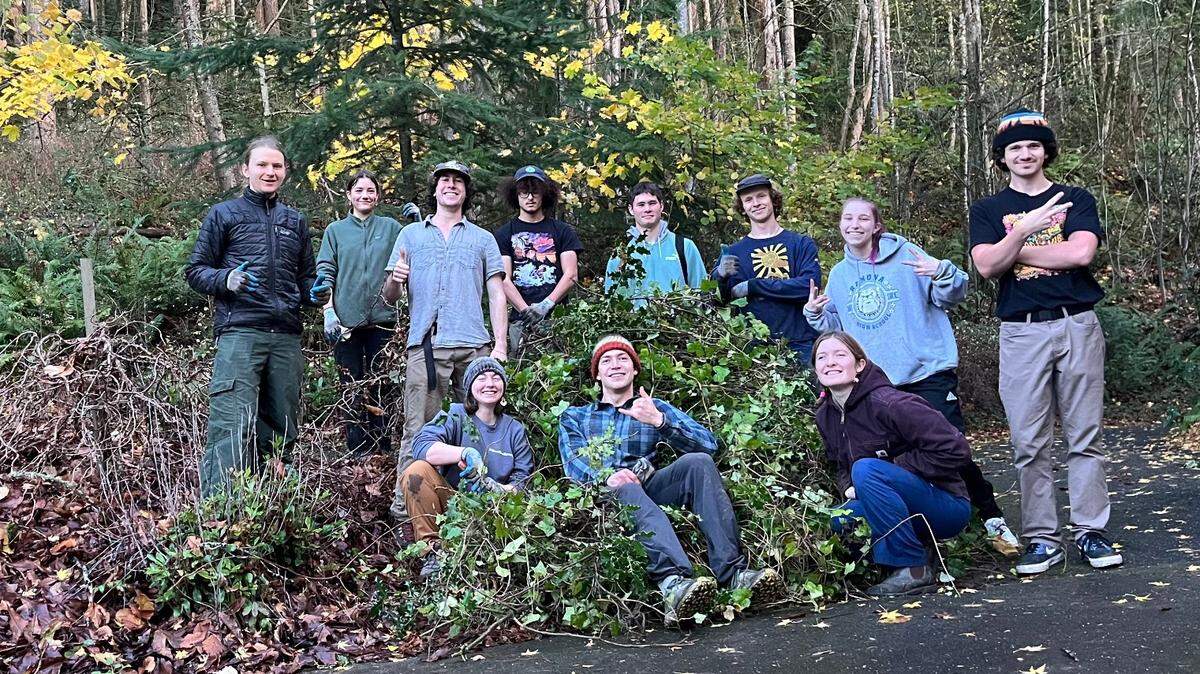
The club’s first effort began as a work party in the Arboretum in November, with more than a dozen club members removing invasive ivy and holly. Ivy can block sunlight from reaching the native plants and lead to their eventual death, according to the Washington State Noxious Weed Control Board.
“It was really great work and it made a very noticeable, visible difference,” said the club’s co-founder Caleb Barville. “There’s a hell of a lot more work to be done.”
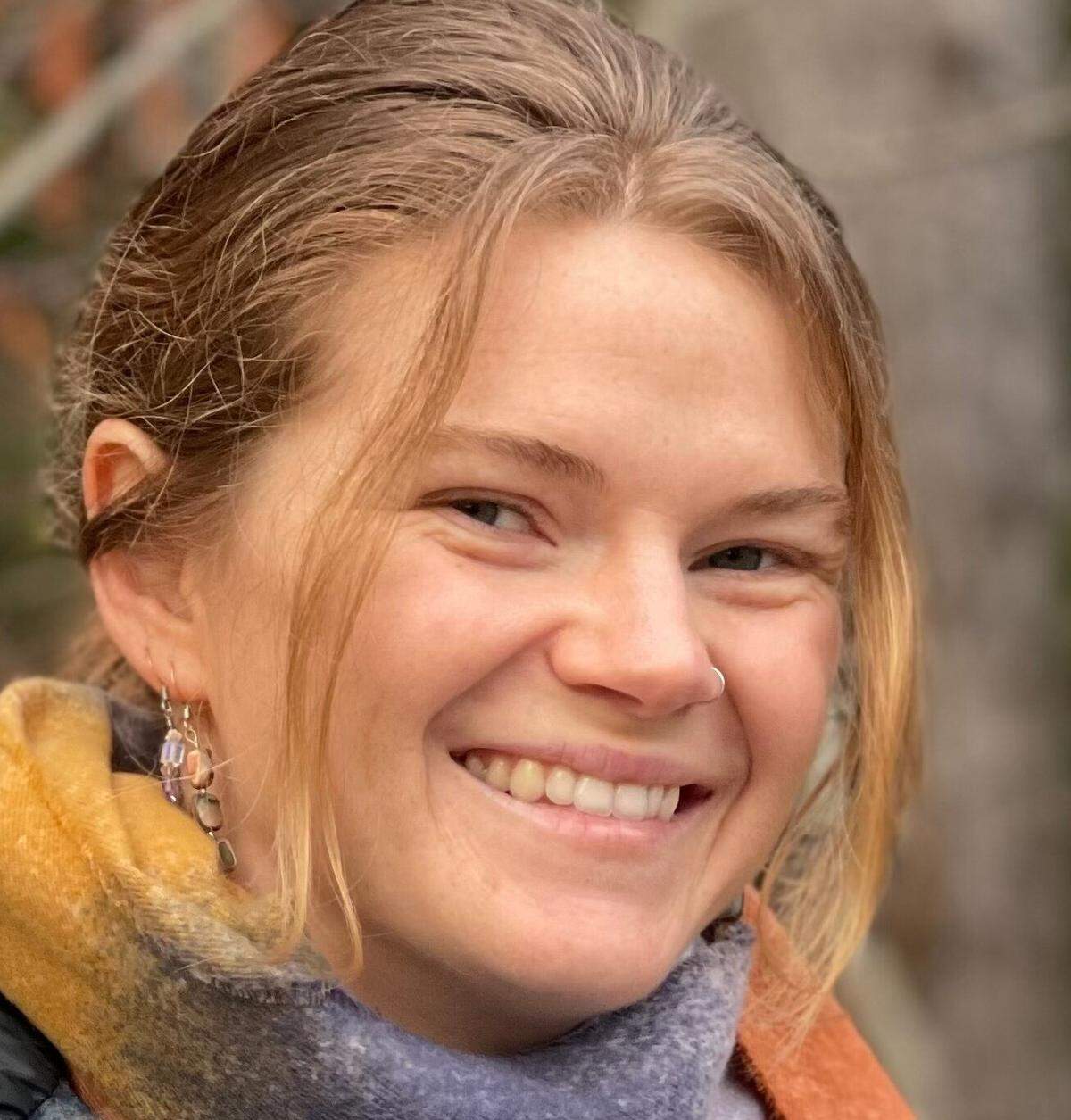
Barville is a third-year Environmental Science student at Western who grew up very involved in restoration work and land stewardship. He said he hopes the club brings together like-minded, passionate individuals to get some significant work done.
“Ecological restoration is a growing field and very, very important for the future,” Barville told The Bellingham Herald. “Over the last 200 years since settler colonialism started to occur, a lot of damage has taken place on the land. It’s now a time where we need to correct that in order to preserve our planet for future generations.”
Barville said work like this doesn’t happen overnight. Club members removed about four cubic yards of invasive plants near the southern entrance of the Jersey Street trail in the Sehome Arboretum at its first work party.
“I’d say that’s less than one percent of the total ivy and other invasive species that are in the Arboretum,” Barville said. “These invasive species have been left relatively unmanaged since they were introduced 80 years ago, so it’s a problem.”
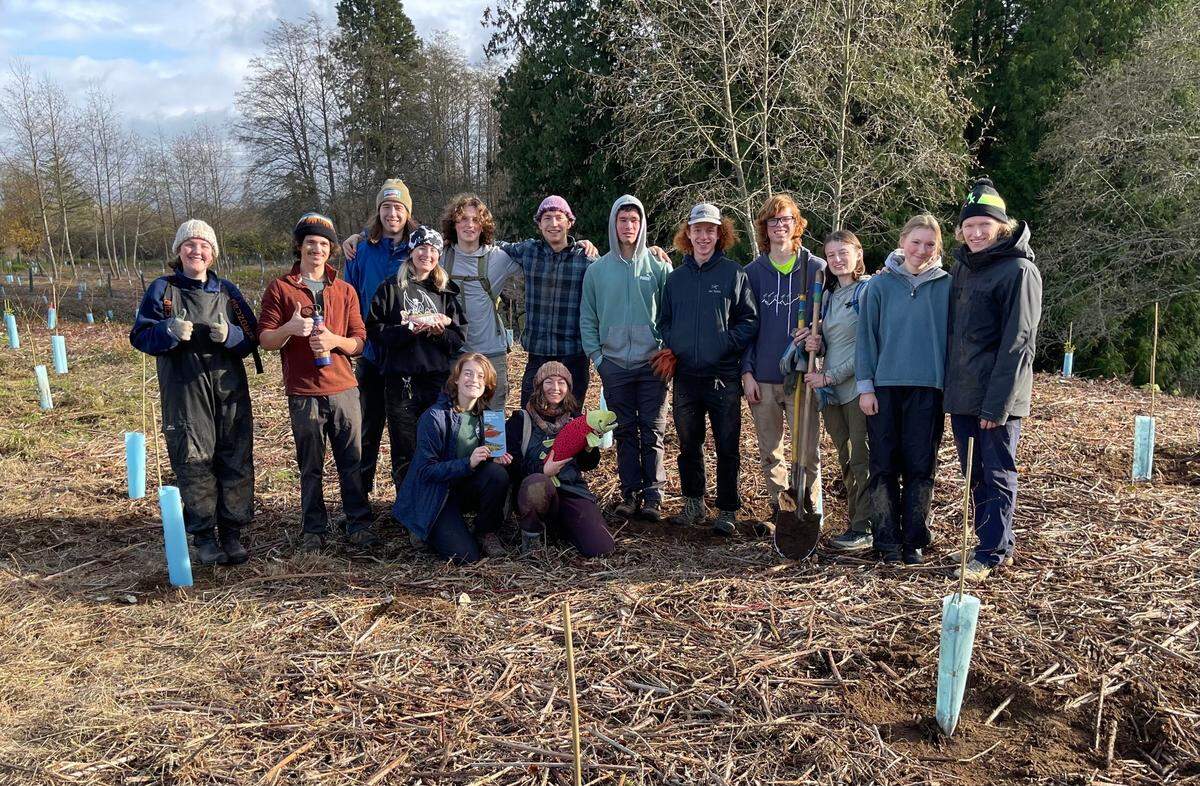
The club plans to do all of the Sehome Arboretum restoration work by hand, without the use of pesticides. The club also plans to plant additional native plants in the Arboretum in the spring to restore the ground cover and prevent the ivy from returning.
Barville estimated the project could take three to five years.
“Any roots that are left over will come back. Then you have to go back in again, pull out all of the ivy, and do that again every year for a couple of years,” Barville said.
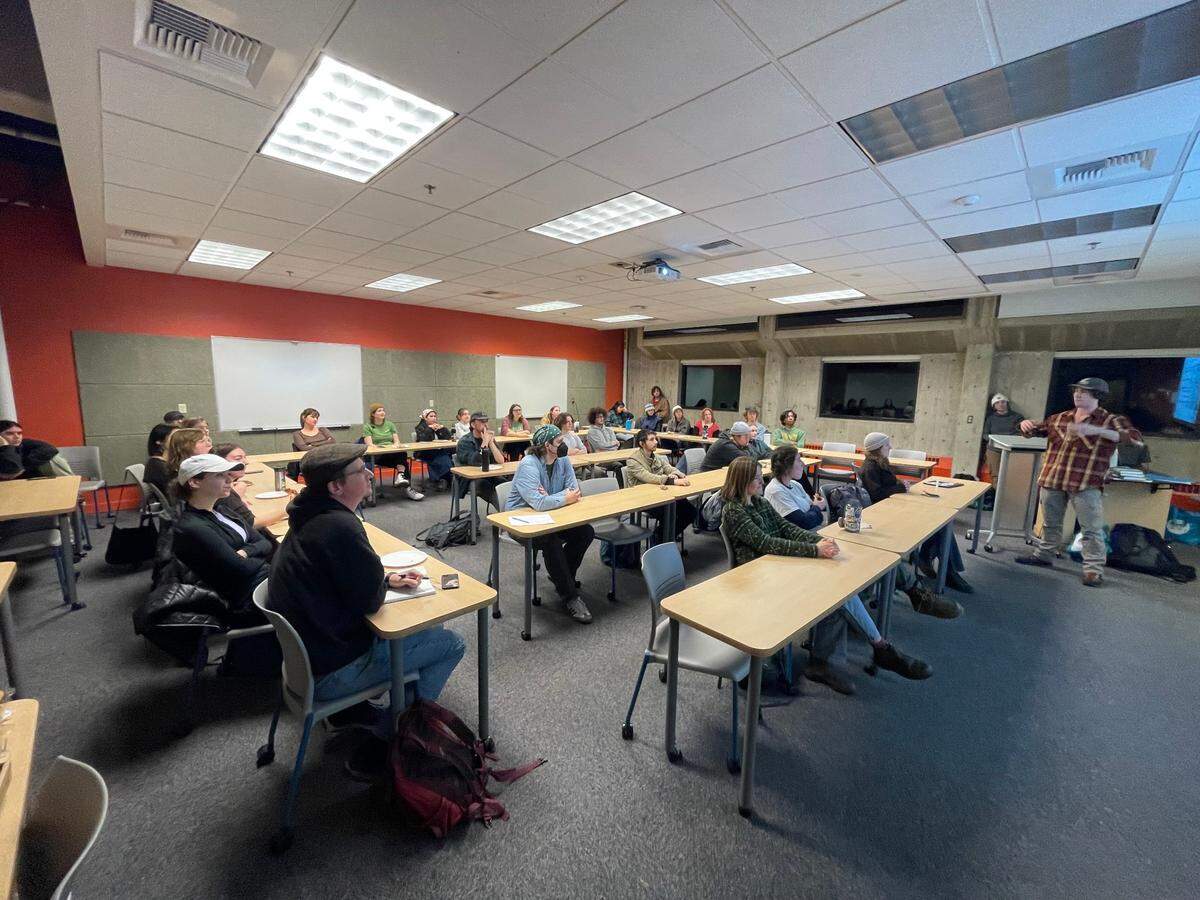
The club is also focused on education, hosting a biweekly speaker series featuring ecological restoration specialists.
“They talk about the work they do, ongoing projects they have, and how they got there,” Barville said. “Being that most of the club members are students, they’re looking for ways in which they can make restoration their life and actually get paid to do it. Right now, all of the work we do with the environment is unpaid, volunteer work.”
Barville started a fundraiser for the club to help support its efforts. The funding would support the club’s restoration projects, reimburse students for the cost of gas to attend work parties, provide food for the volunteers, compensate speakers and fund research.
“As federal funding for environmental causes becomes more inconsistent, local initiatives and grassroots support is vital,” the fundraiser webpage states.
As of Friday, Dec. 20, the fundraiser had raised nearly $2,400 with a total goal of $10,000.
The club’s next work party is planned for Jan. 17.