Documentary follows effort to free Tokitae, the famous orca held in captivity for 53 years
A new documentary film tells the story of a captured orca named Tokitae that died in 2023 amid efforts to free her from more than 50 years of captivity, and it was shown last week at the Whistler Film Festival in the British Columbia resort.
“Resident Orca” follows the plight of Tokitae, a qwe ‘lhol mechen, as orcas are known to the Lhaq’temish (Lummi) people who consider them as ancestors going back to the beginning of time.
“They wear orca regalia and live under the waves, but they are our relations. They’re part of who we are. They’re our kinship,” Squil-le-he-le Raynell Morris said in the film’s opening.
Morris, a Lummi elder and former adviser to President Clinton, is the film’s executive producer.
In the film, Lummi tribal fisher Tah-Mahs Ellie Kinley describes how the Lummi people, the orca and salmon — their primary food — are interconnected. She draws parallels with the U.S. boarding school system where Indigenous children were forcibly taken from their families and assimilated into white culture.
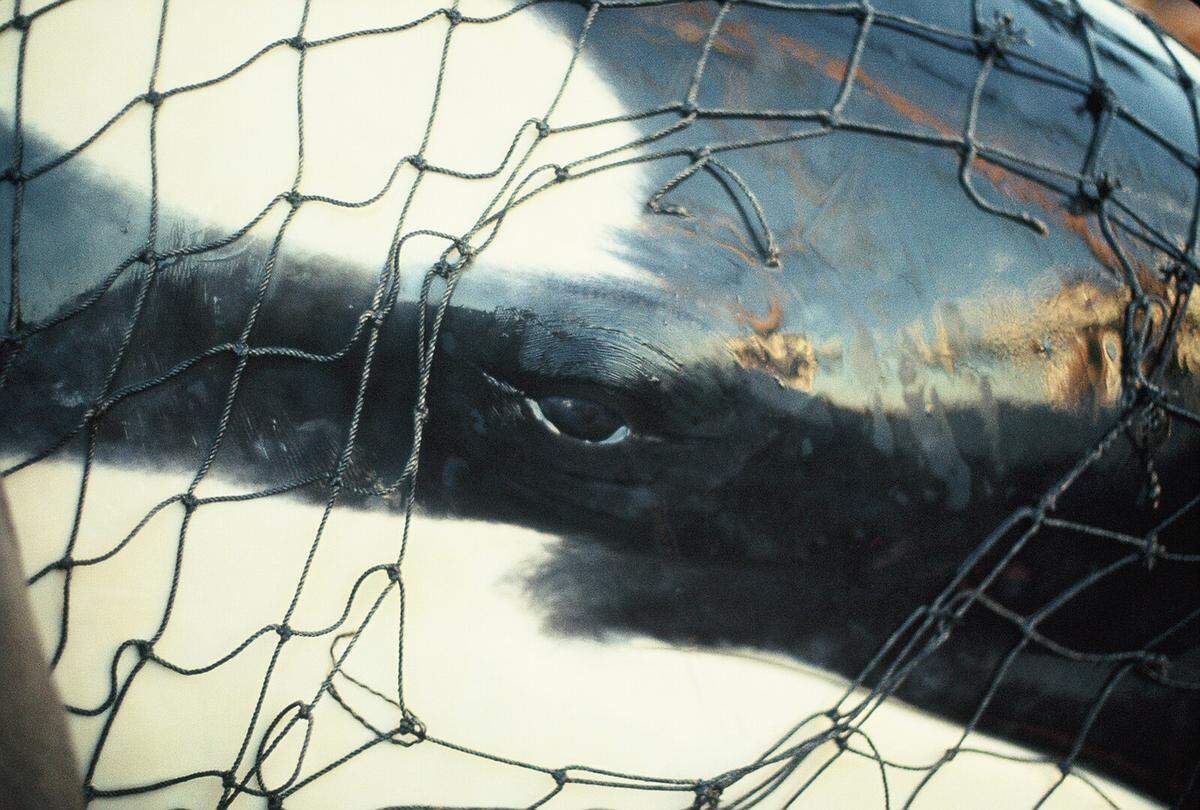
“Our fates are the same. What happens to them happens to us,” Kinley says. “She is more than just a captive whale. She is our family. She’s related. She’s no different from our great-grandparents when they got taken off to boarding school and the savage was taken out of them.”
“I have to feel that it all ends up going back to the abundance of salmon. Because when we were a thriving, healthy community, that’s what we were all doing. The salmon were plentiful and people were making livings fishing. We haven’t fished sockeye in three years. So people have been denied being able to make a living. And where does that leave you? Because it is who we are, the Salmon People.”
That theme is constant throughout “Resident Orca,” which features interviews with a biologist who helped corral Tokitae, a former Seaquarium trainer, journalists who wrote about efforts to free her, and tribal members who pleaded with Seaquarium officials to set Toki free.
The Bellingham Herald and other McClatchy newspapers followed efforts to free Tokitae going back more than a decade, including a 2019 totem pole journey to Miami and back.
In 2018, former Lummi Chairman Jay Julius wrote in The Herald that Tokitae’s story is the story of the Lhaq’temish and other Indigenous people.
“Just like Tokitae, members of the Lummi Nation have endured centuries of destructive policies — policies that separated our families, depleted our salmon runs, desecrated our sacred sites, and reduced our traditional fishing areas to a fraction of what they once were. These policies and willful disregard for our treaties have damaged the health of the Salish Sea and negatively impacted the well-being of our people,” Julius wrote.
Tokitae was a southern resident orca, the genetically unique population that calls the Salish Sea its home. Southern residents are the only orca — also called blackfish or killer whales — on the Endangered Species List. Only 75 southern residents remain.
In 2023, just as it appeared that Toki would be freed, her health declined and she died. The film’s final scenes show a traditional end of life ceremony in Bellingham Bay.
“Resident Orca” (97 minutes) shows at 4:45 p.m. Friday in the Rainbow Theater in Whistler. Tickets were still available Wednesday, according to the Whistler Film Festival website.
Officials connected with “Resident Orca” told The Herald in an email that plans are being made to show the film locally in the new year.
This story was originally published December 5, 2024 at 5:00 AM.