Lummi water scarcity and quality concerns prompt study for alternative source, better treatment

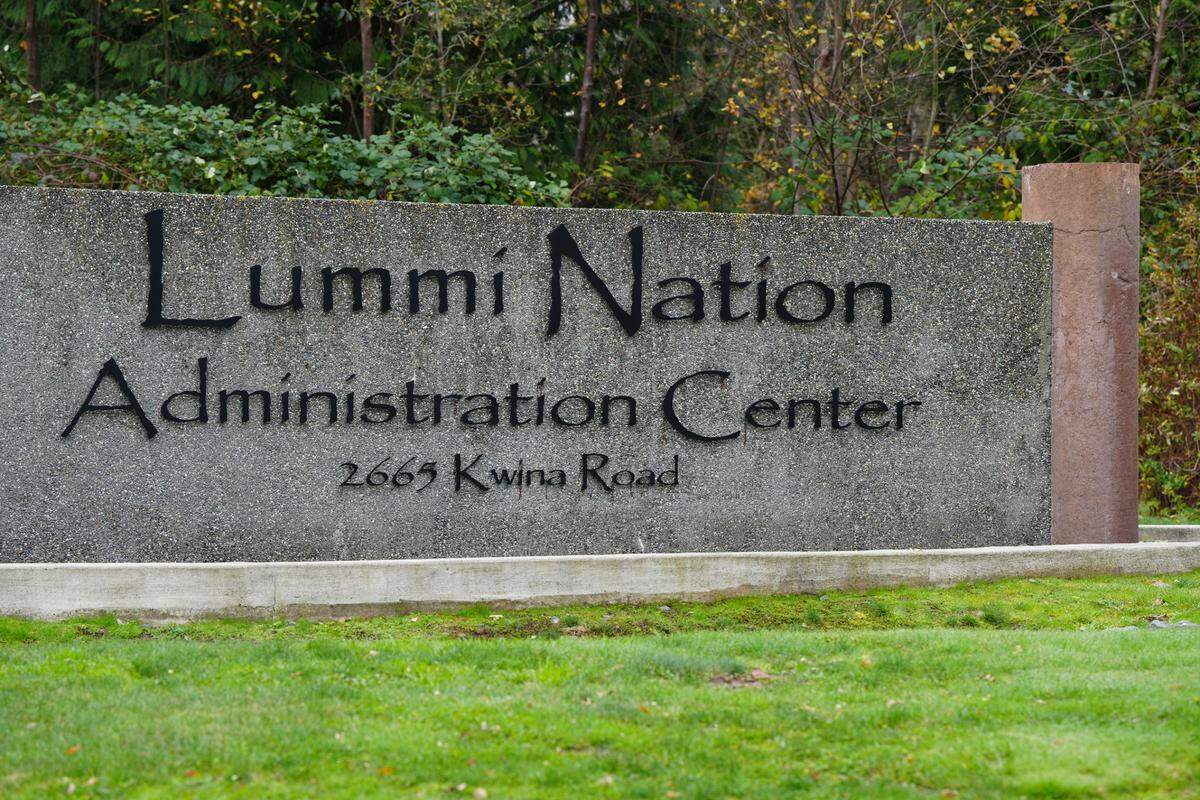
The Lummi Nation is beginning work on a project to increase the Tribe’s water supply and improve water quality amid concerns over scarcity, saltwater intrusion and arsenic treatment facilities.
The Tribe relies on a mix of wells, groundwater aquifers and an off-reservation connection to the city of Bellingham for its water. The Lummi Tribal Sewer and Water District (LTSWD) serves about 3,100 residents directly and more than 5,000 people through community facility connections.
But water supply has been dropping, and inadequate levels in this year drove the Tribe to declare a Water Conservation Order.
“Currently the Lummi Nation domestic water supply cannot provide adequate volume and pressure for the needs of families, schools and other community facilities,” Lummi Tribal Sewer and Water District Executive Assistant Justina Taylor told The Herald. “The water volume and pressure are also inadequate for the maintenance of the water system.”
Lummi Nation is working to identify an alternative water source as its aquifers and wells are at risk of saltwater intrusion made worse by overpumping, which has already caused wells to close, according to LTSWD. Elevated arsenic levels have also been documented in one of the Tribe’s aquifers, which is due for treatment system improvements.
“The two aquifers that provide water to Lummi Tribal Sewer and Water District are precious, irreplaceable resources,” Taylor said. “The Lummi Peninsula Aquifer is at risk of depletion and associated contamination by saltwater intrusion. The Northern Lummi Aquifer contains arsenic nearly twice the maximum contaminant limit with a treatment system not functioning correctly.”
The Tribe can lean on the city of Bellingham’s water connection but they say it’s costly and they ultimately want to establish security in their own water supply for long-term sustainability and tribal sovereignty.
To secure that independence, the Tribe was awarded a $3.41 million federal grant provided by the Bureau of Reclamation’s Tribal Domestic Water Program to complete a study for an alternative water source and prepare plans and designs for a new water treatment plant. The Tribe will also use the funding to complete a Saltwater Intrusion Risk Study and Management Plan in an effort to mitigate the contamination of their aquifers by ocean saltwater.
“This money will fund important planning projects for water treatment, alternative water sources, and assessing saltwater intrusion risk,” said U.S. Sen. Maria Cantwell (D-WA), a senior member of the Senate Committee on Indian Affairs and Senate Committee on Energy and Natural Resources, in an announcement about the funding. “The projects will help secure supplies of safe, available drinking water for members of the Lummi Tribe.”
The Lummi Nation is among five tribes in Washington receiving grants totaling about $7.77 million for projects to address inadequate water infrastructure, water safety and drinking water supply.
“Everybody is caring for the resource. We’re trying to extend it and not waste it,” Lummi Indian Business Councilmember Jim Washington told The Herald. “Climate commitment — that’s really what this is about.”
LTSWD is focusing efforts on water from the Nooksack River as a potential alternative water source to meet the Tribe’s drinking water needs.
“With aquifers and wells that are close to the ocean where the saltwater can intrude, it’s a challenge and we could be risking our health and wellness,” Councilmember Washington told The Herald. “So Lummi really appreciates the LTSWD team and Sen. Cantwell for getting these funds to look for resources and different plans to collect water or manage it in a different way.”
The planning project is expected to begin in June 2025 and be completed by June 2028.