Lummi salmon hatcheries to see major improvements after tribes work to secure federal funding
Whatcom County tribal salmon hatcheries at Lummi Bay and Skookum Creek are preparing to undergo significant maintenance and modernization after securing millions of dollars in federal funding.
The National Marine Fisheries Service (NOAA Fisheries) and the U.S. Bureau of Indian Affairs announced that $240 million from the Inflation Reduction Act would be awarded to 27 Tribal Nations across Washington, Alaska, Oregon, Idaho and California for repairs and improvements of salmon and steelhead hatchery facilities.
Each tribe will receive at least $2 million for necessary repairs, with the remaining $186 million in funding to be allocated to the tribes through a competitive application process.
A precedent for the future
“It’s monumental. It’s a once-in-a-generation amount of funding. There’s never been this much funding,” said Lummi Nation Salmon Enhancement Manager Tom Chance in an interview with The Bellingham Herald.
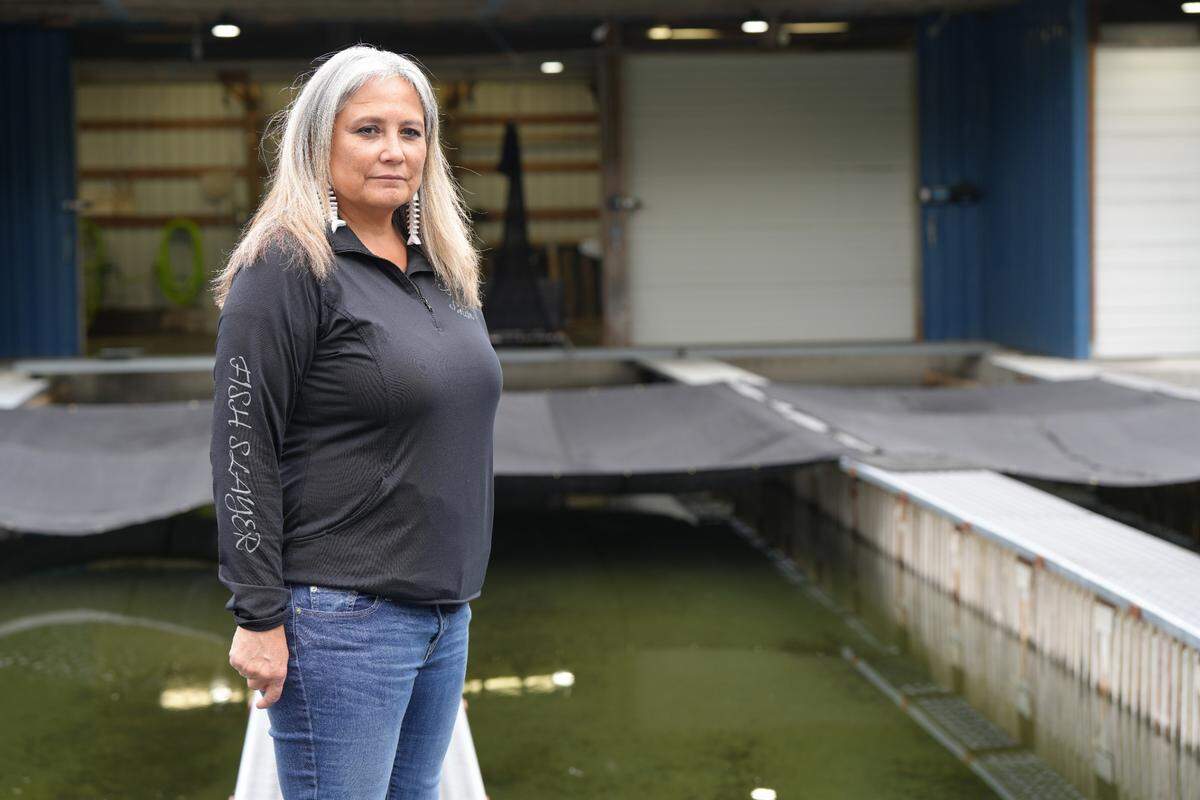
Lummi Indian Business Council Secretary Lisa Wilson told The Herald that tribal hatcheries have been severely underfunded compared to state and federal hatchery facilities. Wilson said the tribes are grateful to receive the funding but extensive political advocacy was required to ensure it was fairly distributed — something that is meant to be guaranteed under federal treaty rights.
“It took a lot of hard work for us to make sure we got this funding,” Wilson said. “If we didn’t do what we did, it wouldn’t have happened. The moral is if we sit back and accept the status quo, that’s what we’re going to get. But we stood up.”
Wilson said she hopes this funding sets a precedent for the tribes moving forward.
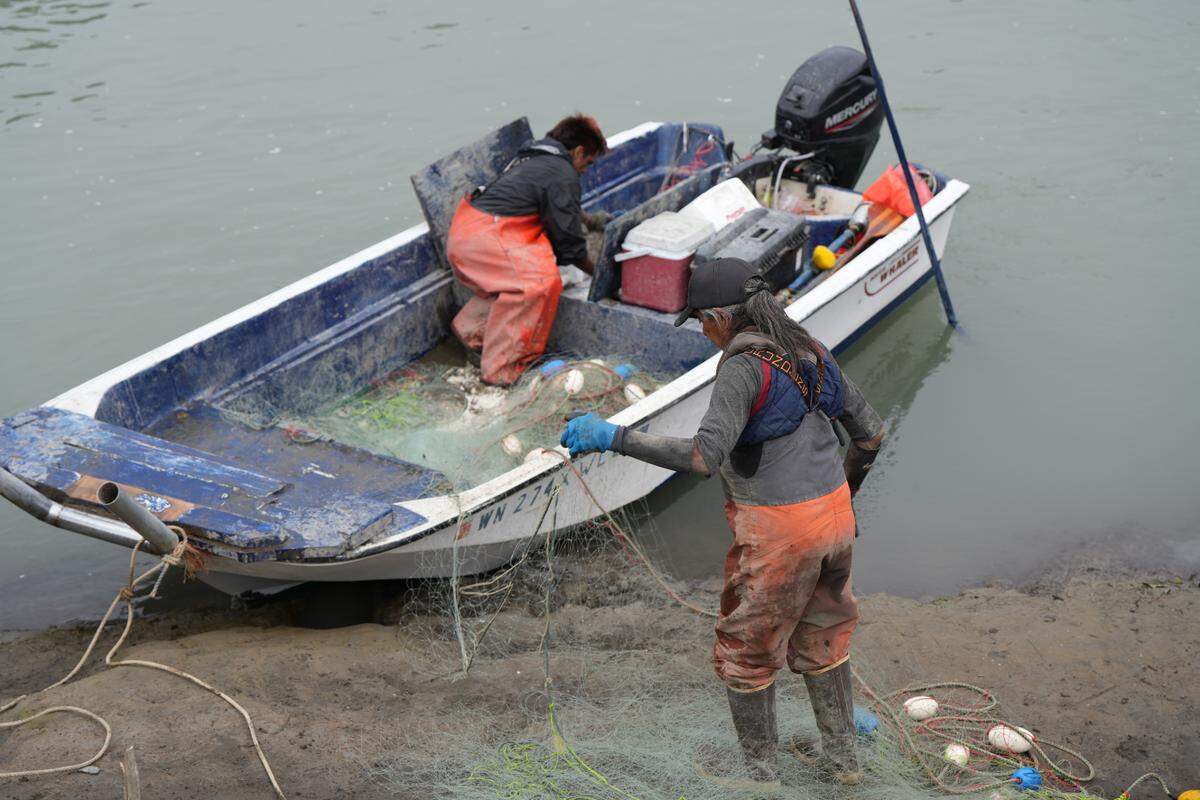
“Salmon is the life center of our culture — as important as the air that we breathe. When the tide is out the table is set. We’ve always been able to sustain ourselves because of the salmon,” she said.
Anticipated hatchery improvements
Wilson said the Lummi Bay and Skookum Creek salmon hatcheries are almost 60 years old and require major infrastructure improvements.
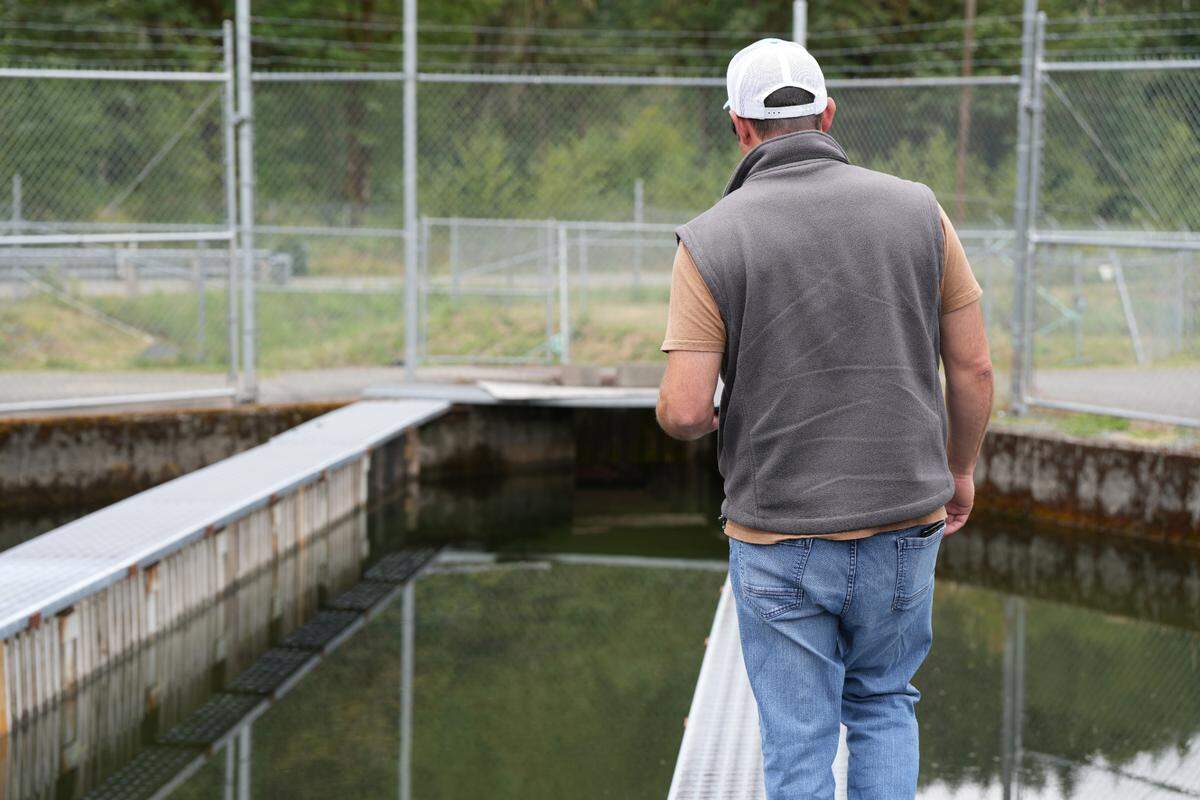
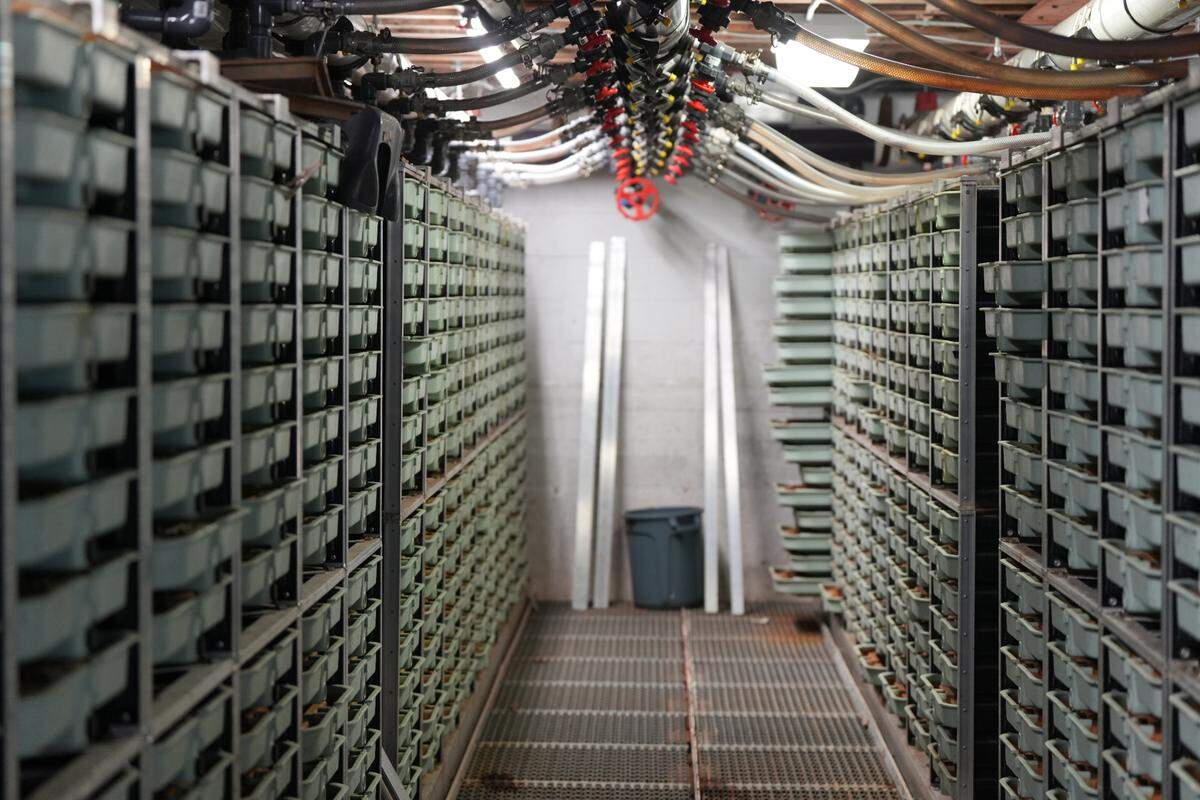
The various planned improvements at the Skookum Creek Fish Hatchery include:
▪ Repairing the outlet channel where the hatchery meets the Nooksack River to account for the river’s changing geomorphology.
▪ Constructing new raceways to repair the old raceways.
▪ Improving the hatchery’s water delivery system.
▪ Improving water inputs to the yearling ponds to increase aeration for the fish.
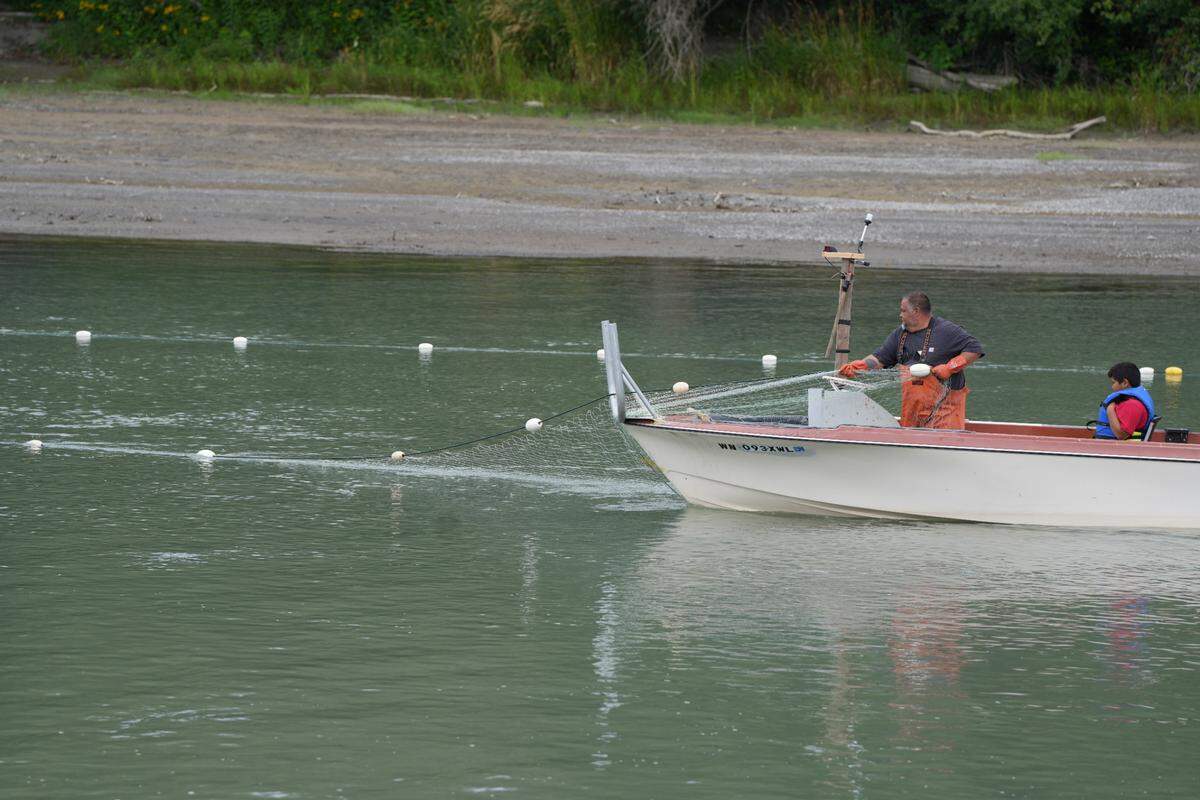
“Things still work but there are things we can do better to maintain good fish health, maximize the physical condition of the fish and just overall have good healthy fish go out the door that will survive well,” Chance said.
Salmon face habitat degradation, pollution, predation, vessel traffic, and warming water once they are released from hatcheries.
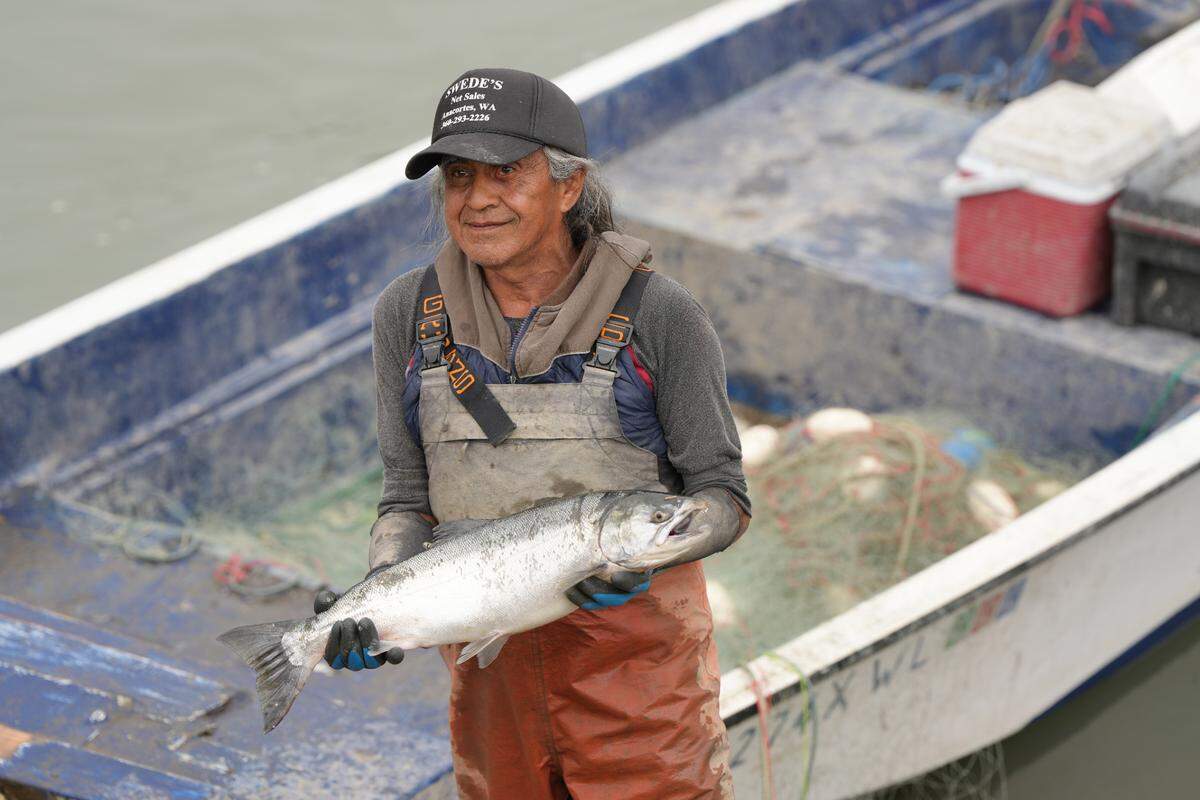
Chance said these improvements will go a long way to ensuring the hatchery salmon have a better chance of surviving in the wild, which makes the work worth it and keeps the fish coming back.
“These fish have a lot stacked up against them. But here they still are because of the work we are doing,” Chance said.
“For us, it’s not a job. It’s who we are,” Wilson said. “It’s our obligation to keep this going and hand it down so our future generations will have something. We are sustaining our way of life.”
This story was originally published August 31, 2024 at 5:00 AM.