Changes to farm program could affect progress being made on salmon habitat preservation
A federal agency is cutting payments to dozens of Whatcom County farmers and rural landowners who it says were wrongly being paid to leave their land fallow and plant trees and other habitat along the Nooksack River and its tributaries, which are home to critically endangered salmon species.
It has brought together a disparate collection of agricultural and environmental interests who are appealing to Gov. Jay Inslee in an effort to replace funding that landowners receive from the Conservation Reserve Enhancement Program.
Dillon Honcoop, spokesman for the Save Family Farming advocacy group, told The Bellingham Herald the changes to the program could have a “long-term chilling effect” on participation — and on salmon.
“Salmon recovery is struggling, We need more of these programs, not less,” he said in an interview.
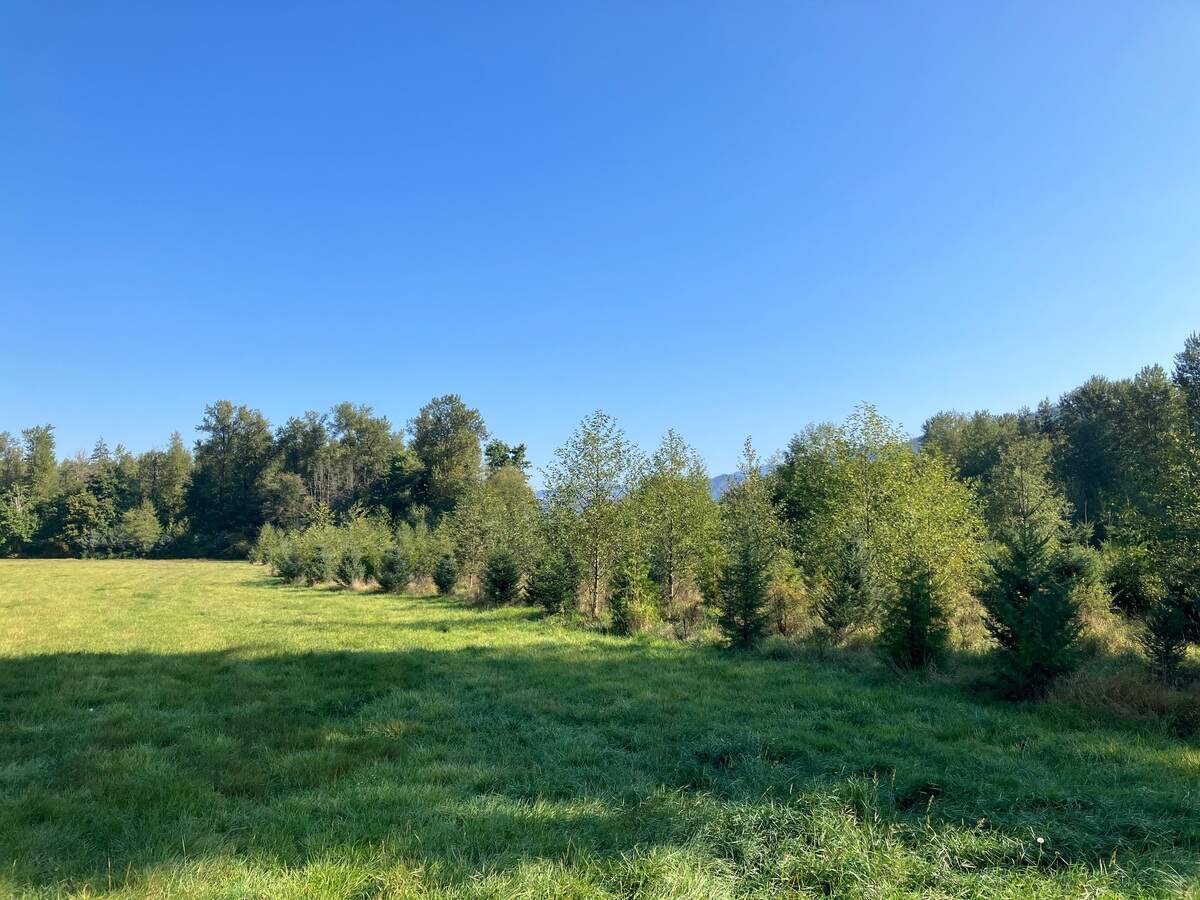
Some 200 landowners are affected, including 1,500 acres of land and 120 miles of stream “buffers” for salmon habitat, Honcoop said.
A letter to Inslee was signed by the Whatcom Family Farmers, the Washington State Dairy Federation, the Nature Conservancy and Bellingham-based organizations Sustainable Connections and RE Sources, and others.
“Right when we should be building momentum for (salmon habitat protection) efforts, the Farm Service Agency actions send the wrong signal at the wrong time to landowners and undermines trust in all government programs and promises,” the letter said.
Jon Wyss, state executive director of the USDA Farm Service Agency, told The Herald that the reduced payments and changes to the Conservation Reserve Enhancement Program stem from errors that date back 20 years and were just discovered 18 months ago.
In that time, Wyss said his staff has been examining the contracts of every one of the 400 participants in Whatcom County.
Wyss will give a presentation on the issue at 1:20 p.m. Tuesday during the Whatcom County Council’s Planning and Development Committee, which is chaired by Councilman Ben Elenbaas, who is also a farmer.
Changes in the program are coming
In an interview, Wyss told The Herald that it’s working with landowners and that the promised Oct. 1 payments for the Conservation Reserve Enhancement Program will be made, but that some landowners will be removed from the program while others will see changes in their contracts and reduced payments.
“It’s our error. Were taking responsibility and addressing it head-on. Dragging out the issue would cause greater problems,” he said.
In one instance, Wyss’ agency found that a Whatcom County landowner was being paid for having streamside habitat, but that the land had been sold to the city of Bellingham for environmental protection.
He said his agency has decided against seeking repayment of funds paid through the Conservation Reserve Enhancement Program, because the enrollment errors were the government’s fault, in some cases made two decades ago.
Alexander Harris, the land and water policy manager for ReSources, told The Herald that he’s worried that participation in the Conservation Reserve Enhancement Program will lag because of mistrust in government and gains that have been made to fight climate change will be lost.
“That could set us back. Protecting ‘riparian’ areas is most important to keeping water cool enough for fish. It’s the best tool that we have,” he said.
Former County Councilman Rud Browne said he has been participating in the Conservation Reserve Enhancement Program for 10 years.
It has “enabled me to protect/enhance over a 100 acres of prime habitat. One parcel is on a top 10 priority list for conservation. My lifetime goal was to do 1,000 acres, ideally all in Whatcom County,” Browne told The Herald in an email.
Browne said he doesn’t “know how I’m going to retain these existing properties in conservation, (and I) will likely have to return them to agriculture just to pay the property taxes. (I) don’t know how I could justify purchasing/protecting any others,” he said.
This story was originally published September 22, 2023 at 11:19 AM.