
Is your grocery receipt tainted with toxic chemicals? Here’s what you can do about it
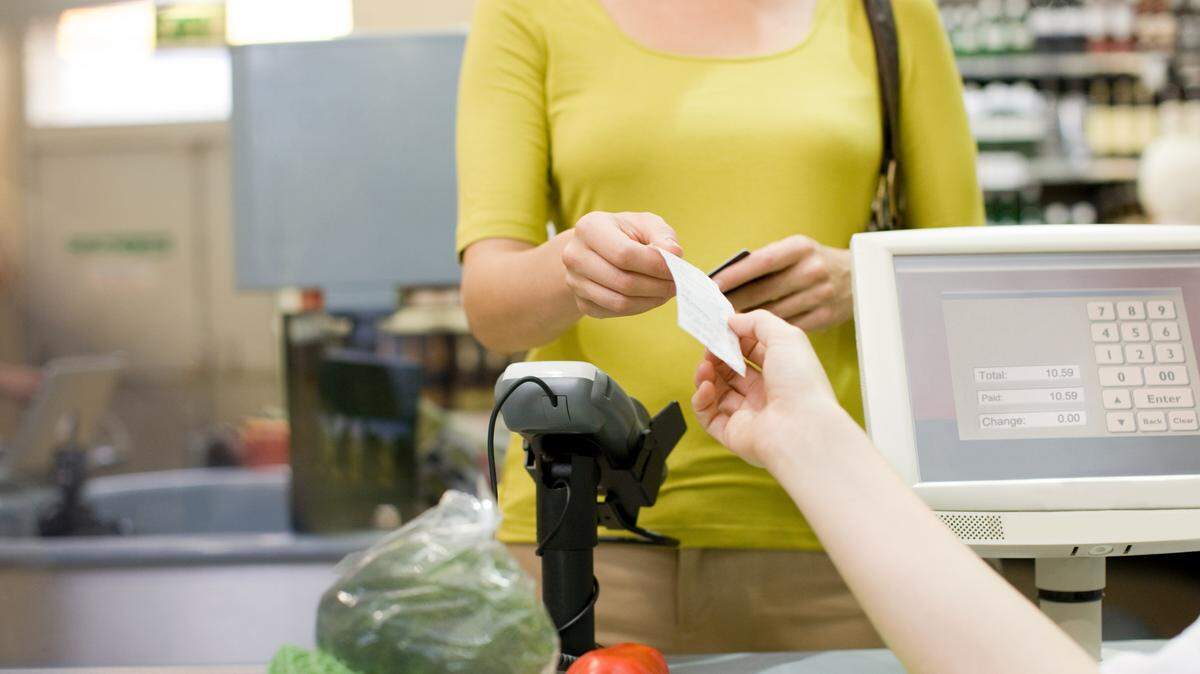
Is the receipt from your favorite retailer hazardous to your health?
The paper that’s used to make receipts can be coated in toxic chemicals. These chemicals can be absorbed through the skin or ingested after handling receipts and lead to reproductive, hormonal and cardiovascular issues as well as developmental abnormalities and insulin resistance, according to the Washington State Department of Ecology.
The paper is called thermal paper and is used because it prints images faster than standard paper.
Not all receipts are covered in the toxic chemicals called bisphenols , but it’s difficult for shoppers to tell whether the receipt from the grocery store is safe or not, Marissa Smith, senior regulatory toxicologist at the Department of Ecology told The Bellingham Herald in an interview.
Business owners can contact their supplier to see whether the paper they are using is covered with bisphenols like BPA and BPS. When looking for replacement materials, look for papers labeled “phenol-free”.
“A receipt from the grocery store will not kill you,” Smith said. “But thermal paper has a coating on it that when you expose it to heat, reacts and that’s how you get the black text to show up. That chemical can wear off and get on your hands and be absorbed ... but it can also be ingested. If you don’t wash your hands after you handle that receipt and you eat or touch your mouth, you can be exposed that way, too.”
Cashiers and others who constantly handle receipt paper are the most likely to be exposed. Children and pregnant women are at high risk when exposed, experts say.
It is suspected the thermal receipts are a source of bisphenol contamination in wastewater and groundwater, according to the ecology department As a result, these receipts cannot be recycled along with other paper products.
On May. 31, the state adopted a new rule to reduce these toxic chemicals in consumer products such as receipts, but the ban will not come into effect until Jan. 1 2026. In the meantime, it is encouraged for businesses to begin to shift away from the chemicals, and to use safer alternatives.
In the meantime, the ecology department is reimbursing up to $1,000 to small quantity generators to make the switch away from bisphenol paper. Businesses can also switch to electronic receipts, eliminating the paper receipts all together.
People are encouraged to only ask for a receipt when they need it, and to limit their handling of them whenever possible.
This story was originally published June 16, 2023 at 5:00 AM.
.jpg)