These federal funds will aid flood resilience, water quality and enhance tribal fisheries
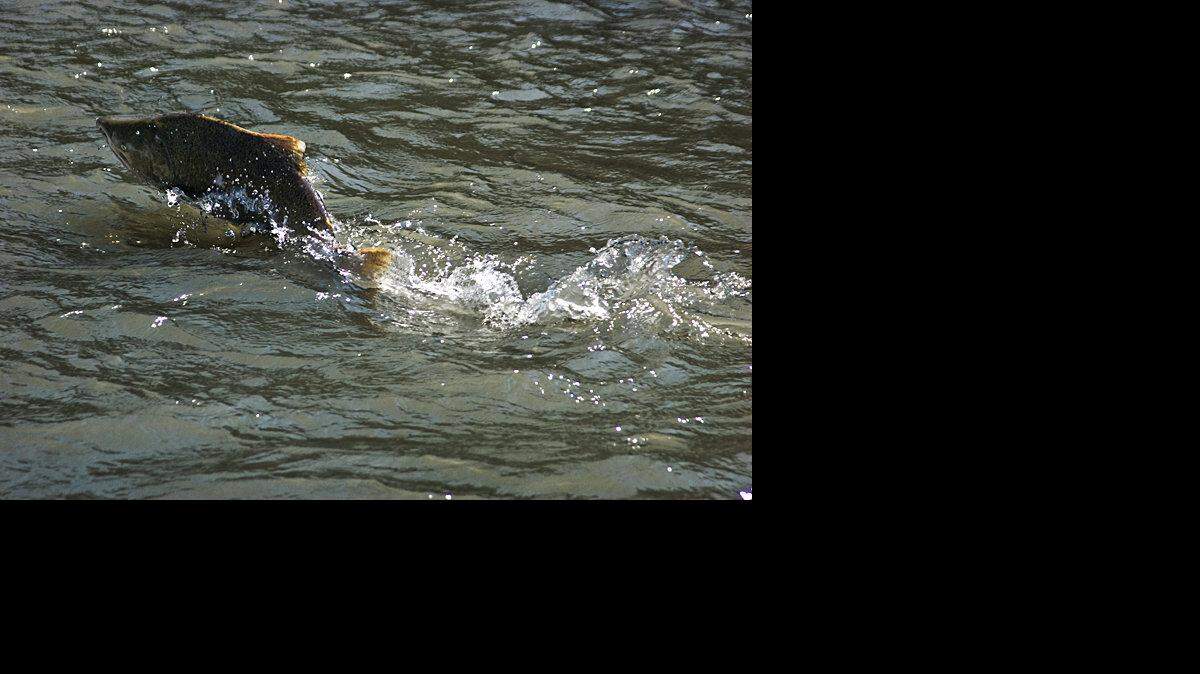
Lummi Nation and the Nooksack Indian Tribe have received more than $10 million in federal funding to help with salmon habitat and other environmental concerns on the Nooksack River and in Whatcom County coastal waters.
The work will increase flood resilience, improve water quality, and enhance tribal fisheries, according to a statement from U.S. Sen. Maria Cantwell.
Grants announced Friday, April 21, are part of nearly $60 million from the National Oceanic Atmospheric Administration’s Climate-Ready Coasts initiative, Cantwell said in a statement announcing the funds, which are part of President Biden’s Infrastructure Law and the Inflation Reduction Act that she authored.
“This investment will help make progress on salmon recovery, eel grass beds restoration, and removal of invasive European green crabs, and help communities and Tribes adapt to the impacts of climate change,” said Cantwell, a Democrat.
In all, 14 grants were awarded in Washington state, including $12.2 million for salmon habitat restoration on the Skagit River, $12.1 million for Chinook salmon recovery in the South Whidbey Basin, which includes the Skagit River watershed, $650,000 for the Skagit River estuary recovery, and $2.3 million to protect and restore tidal marshland in Padilla Bay.
In Whatcom County:
▪ Lummi Nation received $4.2 million for its South Fork Nooksack River Restoration Project, where habitat loss caused a decline in several salmon species, including the spring Chinook that are the primary food of endangered southern resident orcas in Puget Sound. substantially from historical levels.
Spring Chinook are listed as “threatened” under the federal Endangered Species Act and both Lummi Nation and the Nooksack Tribe are concerned about the health of salmon in the river, according to previous Bellingham Herald reporting.
In summer 2021, more than 2,500 migrating adult chinook died on the south fork before they could spawn because of a disease outbreak worsened by high temperatures, low river flow and a lack of habitat.
Coast Salish people revere the salmon spiritually and rely on them for food, according to the Lummi Nation website.
“Salmon play an important role in the lives of the Lummi people; ceremonial practices, subsistence, and economic well-being of tribal members are major factors to promote and protect salmon populations in the area of the Lummi Nation,” the website said.
Funds from this grant will include the implementation of two projects and the design of a third, according to Cantwell’s statement.
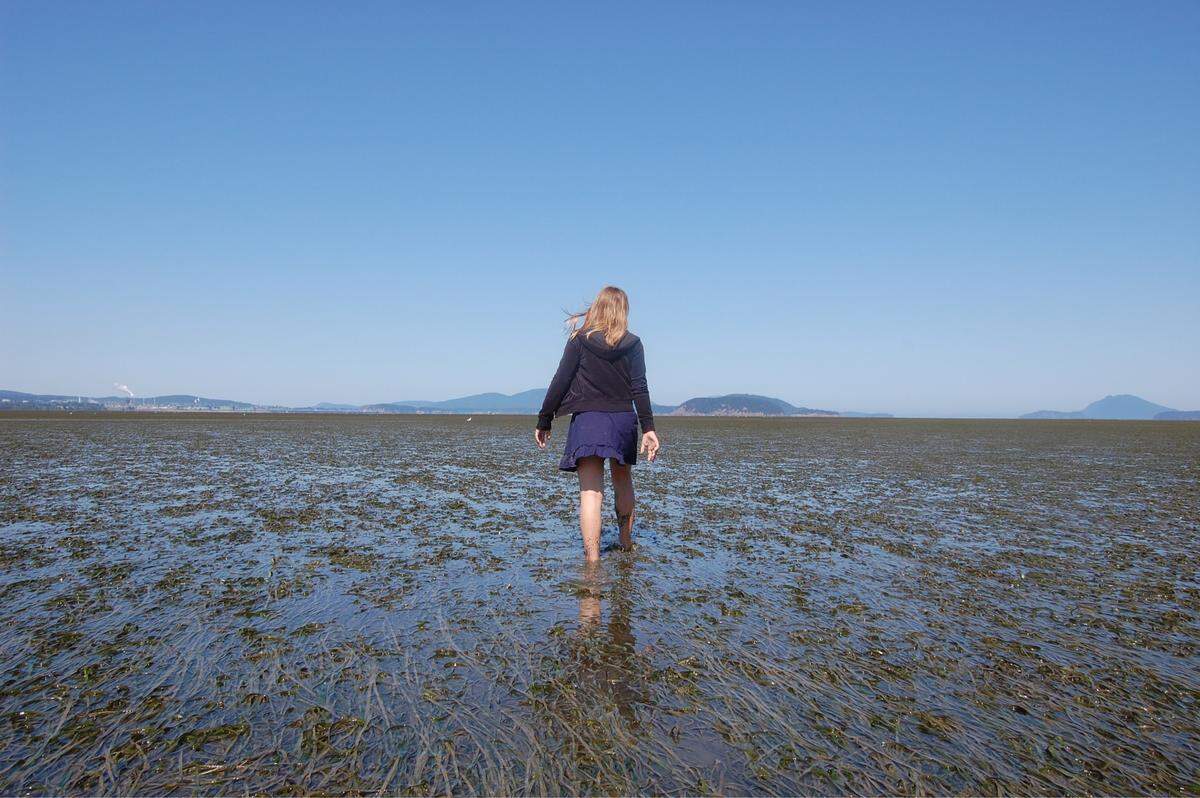
In addition, Lummi Nation is receiving $868,000 to inventory eelgrass habitat on Lummi Nation tidelands that are threatened by Invasive European green crabs.
Lummi Nation will be able to hired staff and buy equipment to help determine the potential risk that invasive European green crabs pose to eelgrass and other important natural resources on Lummi tidelands.
Eelgrass provides food and cover for small fish and other creatures, and a spawning area for the Pacific herring., which provides food for salmon.
The project will build staff capacity, acquire the necessary equipment and training, and engage Indigenous high school and college students to conduct an inventory and fund science and research needed to establish baselines of the current status of eelgrass habitat and European green crabs.
▪ The Nooksack Indian Tribe was awarded $5.2 million for Chinook recovery in the lower south fork of the Nooksack River.
Funds will be used to address the reasons for habitat decline affecting salmon and steelhead.
Declining populations of Chinook salmon and other species also have had significant effects on the Nooksack Tribe’s cultural, subsistence, and commercial fisheries., Cantwell’s statement said.
Restoration efforts also will help reduce flooding risk to Acme in the South Fork Valley through increased water storage and construction of a berm.