
Here is how climate change impacts allergies
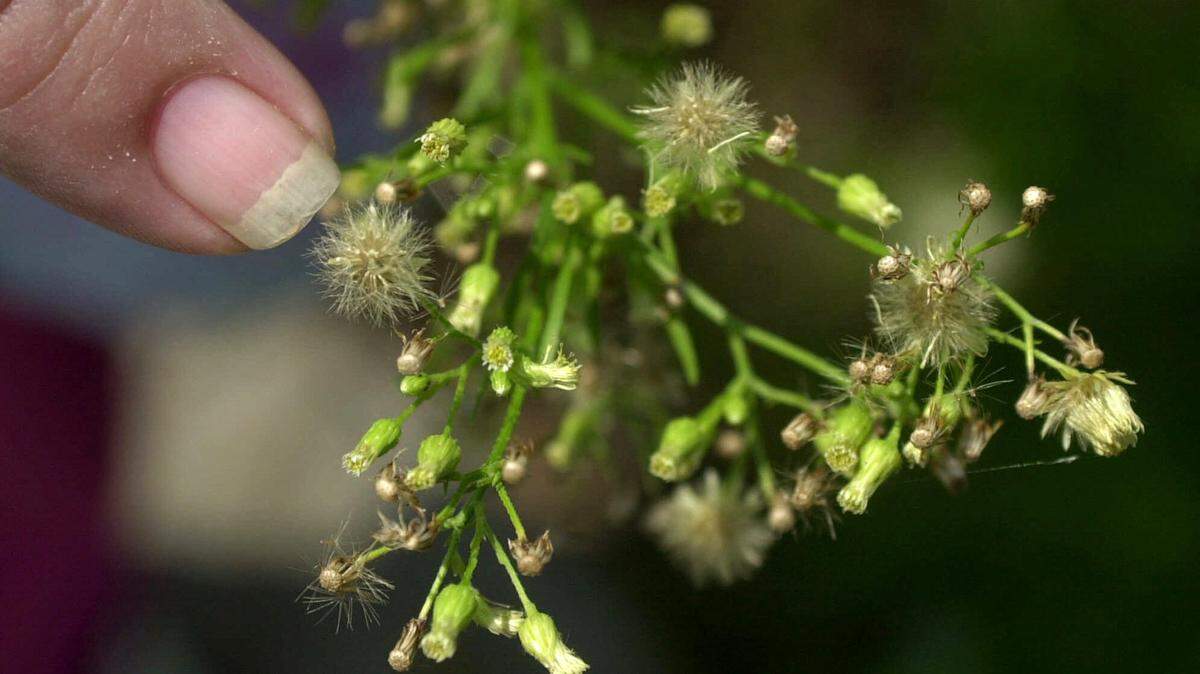
The allergy season is getting longer as climate change warms the planet. Pollen seasons start earlier and end later and forest fires are more common, clearing the landscapes for new allergenic plants to expand.
About 8% of adults and 7% of children have seasonal allergies in Whatcom, Dr. Bill Anderson, a specialist in allergy and immunology at PeaceHealth in Bellingham, told The Bellingham Herald in an interview.
Allergy symptoms can include itchy eyes, sneezing, runny nose and nasal congestion. These are caused by histamines released from mast cells in the eyes, nose and throat because the immune system is extremely sensitive to particles such as pollen, Anderson said. These symptoms can go on for a few weeks and increase in severity as the pollen gets worse.
Whatcom is early into the allergy season this year, which for most plants starts around the middle of May.
As a result of rising temperatures caused by climate change, the allergy season in the U.S. starts about 20 days earlier and ends about 10 days later than it did in 1990, according to the U.S. Department of Agriculture.
This change is not very noticeable in Whatcom County, due to the local weather that already supports a long period of blooming, and a diverse assortment of allergenic plants, Anderson said.
“It seems like a concentration of the weeds we are seeing has maybe increased but it’s been difficult to correlate that with increased symptoms, with increased patients coming in with problems during that time of year,” Anderson said. “Over the years it has just been these seasons (of allergies) where we are not necessarily seeing patients earlier.”
While studies show an increase in pollen, it hasn’t correlated with an increase in patients with allergies, at least in Whatcom, according to Anderson.
An increase in the allergy season in Whatcom isn’t evident because the variety of plants means there is essentially a long allergy season already. The pollen counts can also be lowered by rain and snow, also plentiful in this part of the Northwest, according to Anderson.
The increase in temperature and CO2 can impact the amount of pollen produced by a plant. This increases the number of people who show allergic symptoms.
Cedar trees start to release pollen as early as January, followed by alder and birch trees in March.
“Grass pollen, you go out in the county and see the tall grassy fields, and any grass from mid-May to mid-July are sending out pollens,” Anderson said. “In our area grass pollen is just the most severe for patients.”
The amount of allergenic grass in the Pacific Northwest, such Poaceae, is going to be increasing according to a study from Nature Communications. The study also projects an increase in cedar trees and Cupressaceae bushes, such as juniper.
Forest fires can also affect allergies, Anderson said. Forest fires have been increasing in frequency as a result of climate change, according to the U.S. Environmental Protection Agency.
Smoke from forest fires is harmful to everyone, but especially people who have asthma or allergies. Forest fires also clear the way for new varieties of plants.
“The loss of trees and vegetation underneath and around trees due to forest fires could be replaced by weeds or different species of trees the pollens of which could be allergenic and lead to seasonal allergy symptoms in allergic individuals, thereby increasing allergenic pollen in the environment,” Anderson told The Herald by email.
Antihistamine nasal sprays are a common medicine for people with allergies, but Anderson said it is not uncommon for people to use sprays improperly. People should start using these medicines before the pollen season, ideally two weeks early, and sometimes longer for children, he said.
This story was originally published May 1, 2023 at 5:00 AM.
.jpg)