
Bellingham public works building using 100% renewable energy
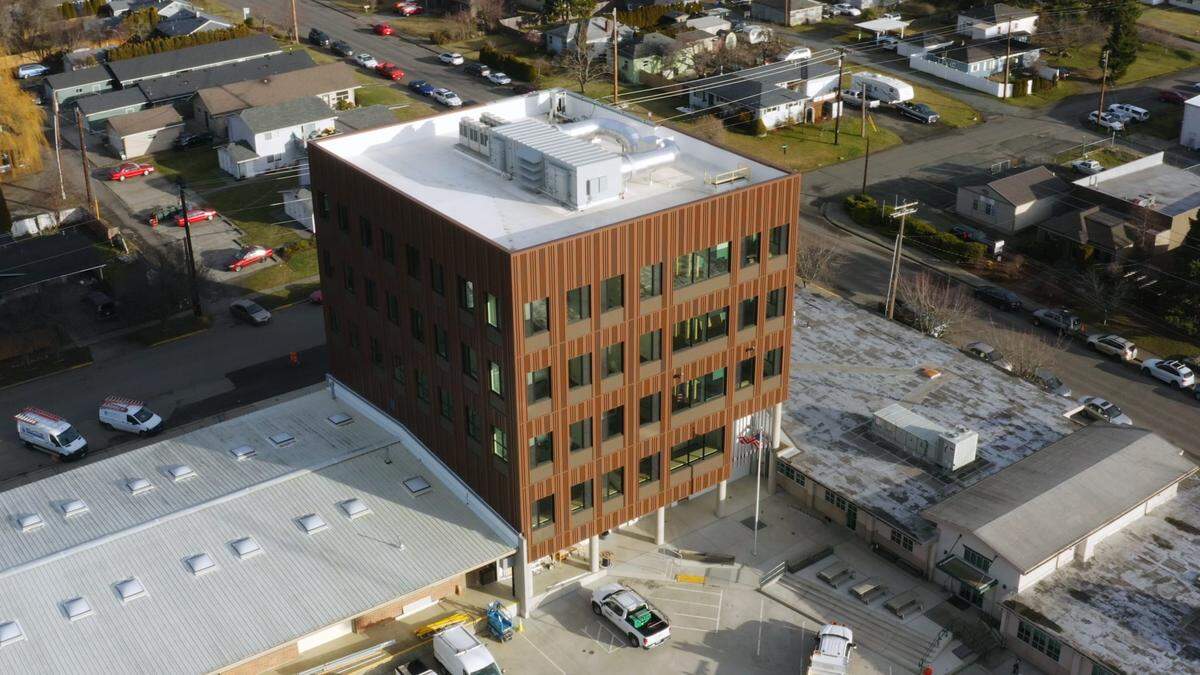
The Bellingham public works building displayed to the public last week was built to clean energy standards in compliance with the city’s climate change goals.
The building is a step in meeting the reduction goals that were missed by 25% in 2020.
The building at 2221 Pacific St. is powered entirely by electricity, which is a renewable source of energy provided through the green direct program with Puget Sound Energy. Fossil fuels are not used in the building.
The cost to install all-electrical systems was the same as it would have been to use fossil fuels, but it will cost more to keep the building running on renewable energy, Public Works Director Eric Johnston, told The Bellingham Herald in an interview.
“The reality is we are going to spend more money to buy electricity than to buy natural gas, but that is the investment the city is making to reduce our use of fossil fuels. We offset that (cost) by making the building very energy efficient to reduce the amount of power needed to keep it going,” Johnston said.
One of the important components in making the building efficient is insulation. The building is designed to be extremely airtight, so less heat is needed to keep it warm in the winter and keep it cool in the summer. The walls of the new building are as insulated as most people’s ceilings, Johnston said.
When designing the building, the LEED silver certification was chosen as a framework. The city wanted to design the building so it would qualify for the certification if it had applied. The city didn’t apply for the certification because there was no reason to, it was simply used as the goalpost for the building’s design process, Johnston told The Herald.
The building is solar panel ready, and they can technically be installed at anytime.
There are plans to upgrade other buildings in the public works department over the next few years, and room has been made in the budget for solar panels to be included on those buildings.
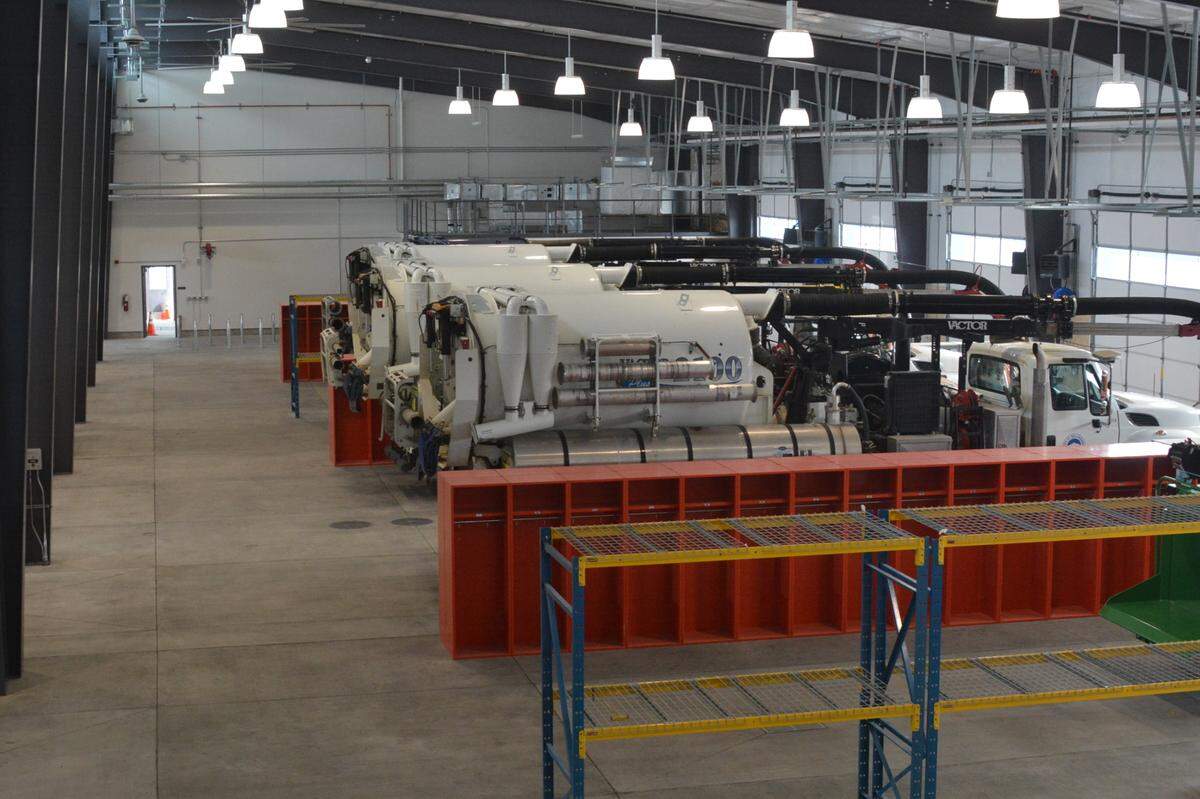
The $20 million construction project resulted in the five-story building that provides offices for public works, parks and recreation and natural resources. There is also a floor dedicated to a break/locker room and the first floor is equipped to televise city meetings and can sit over 100 attendees.
.jpg)