Cleanup and construction are underway for this Bellingham waterfront park
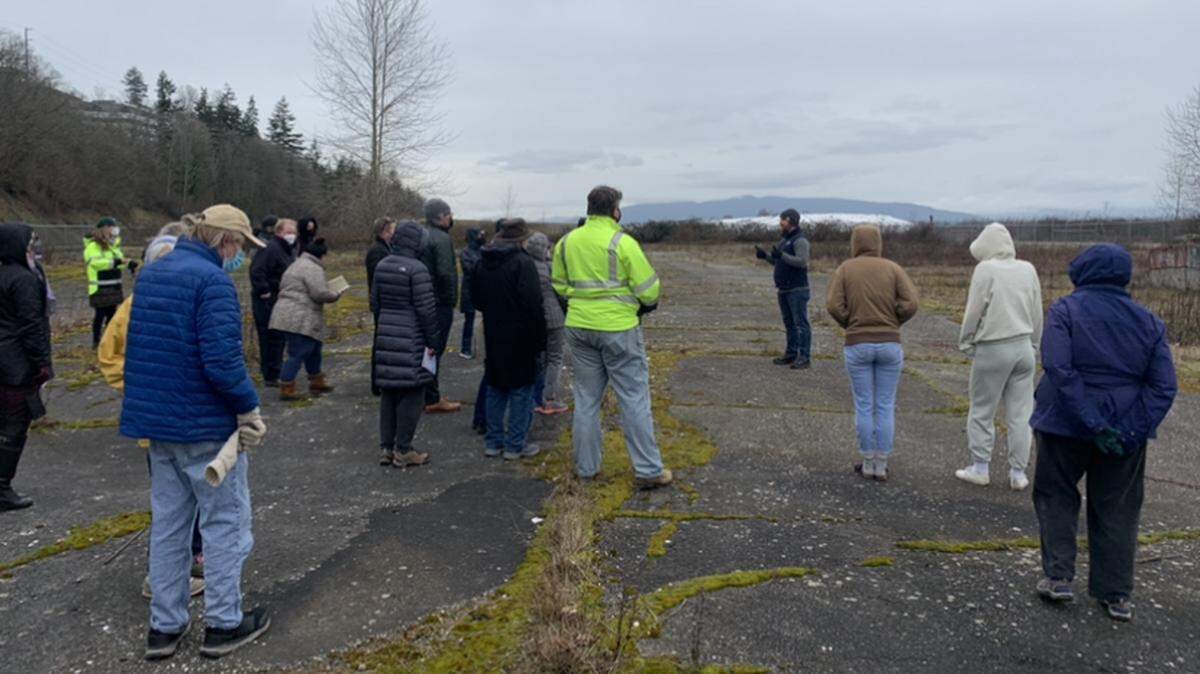
Plans for a waterfront park that have been under way for several years should be moving ahead more quickly, now that the location has a new name and cleanup and construction are underway, Bellingham officials said this week.
Salish Landing will be the new name for the 17-acre site that stretches from the south end of Cornwall Avenue along Bellingham Bay toward Boulevard Park.
City Council members unanimously approved the new name Monday night, Jan. 23.
Salish Landing includes the area known as Glass Beach at the south end of Cornwall Avenue, and Glass Beach will retain its colloquial name, Parks and Recreation Department Director Nicole Oliver told The Bellingham Herald.
Gina Austin, a project engineer for the Parks and Recreation Department, told the council’s Parks and Recreation Committee on Monday that the name was crowd-sourced through the city’s Engage Bellingham website and chosen by the Parks Board from more than 500 submissions.
Suggestions ran from serious to silly, including Glass Beach, Lhaq’temish Park, Resting Beach Face and (of course) Beachy McBeachFace.
Bellingham bought the land in 2009 and a plan for its use was adopted in 2014.
After it’s developed, Salish Landing will have a beach, trails, parking, restrooms, benches, bike racks and lighting.
It also will have a kayak launching and landing site, Oliver said.
City officials reached out to Lummi Nation and the tribe had no objection to the use of an Indigenous place name, she said.
But first, the city must deal with the legacy of pollution from the area’s previous use as a city dump and by industries such as coal, lumber and wharf operations and a wood treatment facility from 1955 to 1985.
“Our main focus is really to coordinate with the cleanups,” Austin told the parks committee.
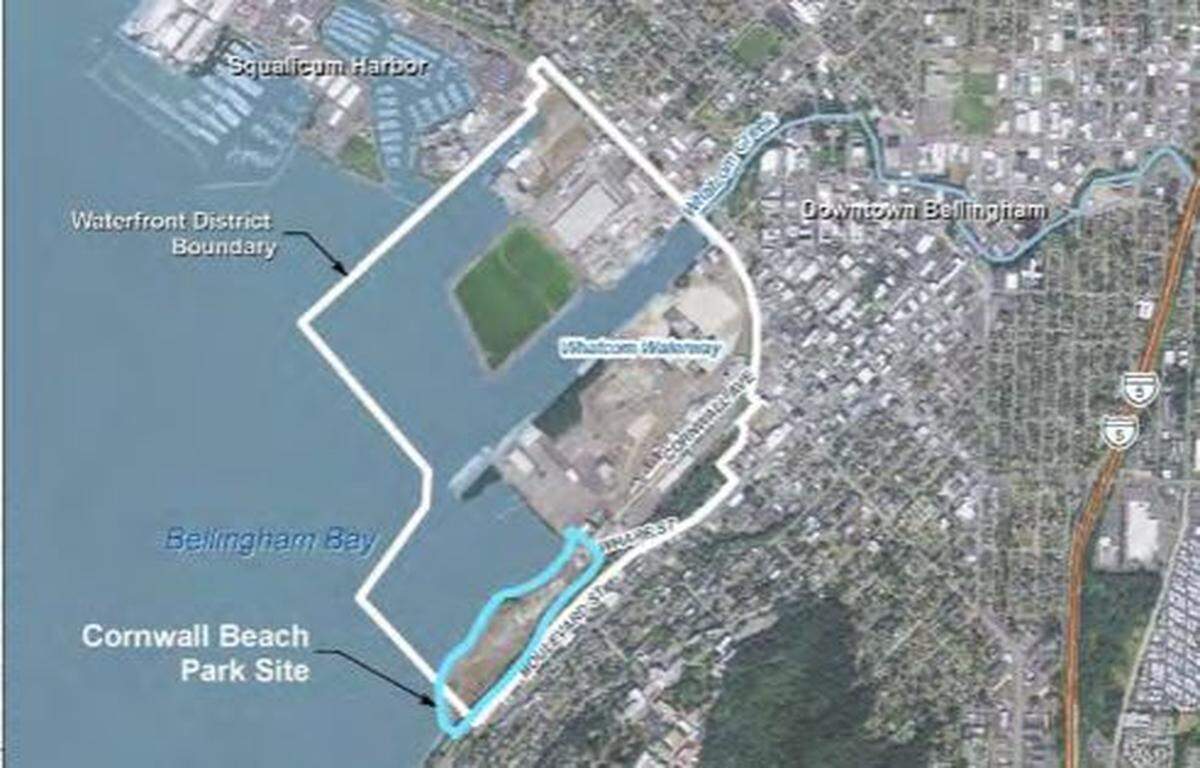
Permit applications are pending now, she said.
But some of the early work on the park will be performed in conjunction with the cleanup. Austin said.
“We only want to dig into the contaminated soils once,” she said.
That includes planting trees along that waterfront and installing underground utilities for stormwater.
“There’s a lot of engineering and design that goes into this because of the cleanup. We have a cleanup liner and we have to make sure these planting pits (for trees) don’t disturb that liner,” Austin said.
“We’re still trying to get a lot of vegetation along our shoreline so that we have a nice habitat area,” she said.
This story was originally published January 25, 2023 at 5:00 AM.