‘This is only the beginning’ Black film director says of Whatcom Juneteenth video project
What started as a loose idea over a cup of coffee between friends several months ago has culminated in the release this week of a video project showcasing Black leaders in Whatcom County discussing the significance of Juneteenth.
Connect Ferndale, a community equity group, released the nine-minute film “I am the Hope and the Dream” Monday, June 13. The film is intended to be used as an educational resource across county school districts and to start conversations.
President Joe Biden declared Juneteenth a national holiday beginning in 2022. It’s also a holiday in Washington state.
Juneteenth commemorates June 19, 1865, when people in Galveston, Texas, learned the Civil War was over and enslaved people were freed — more than two years after the Emancipation Proclamation went into effect.
Rich in opportunities
After seeing a video produced by Children of the Setting Sun about the Point Elliott Treaty of 1855, Ferndale Chamber of Commerce Executive Director Anya Milton wondered if there was something similar that could be done for Juneteenth.
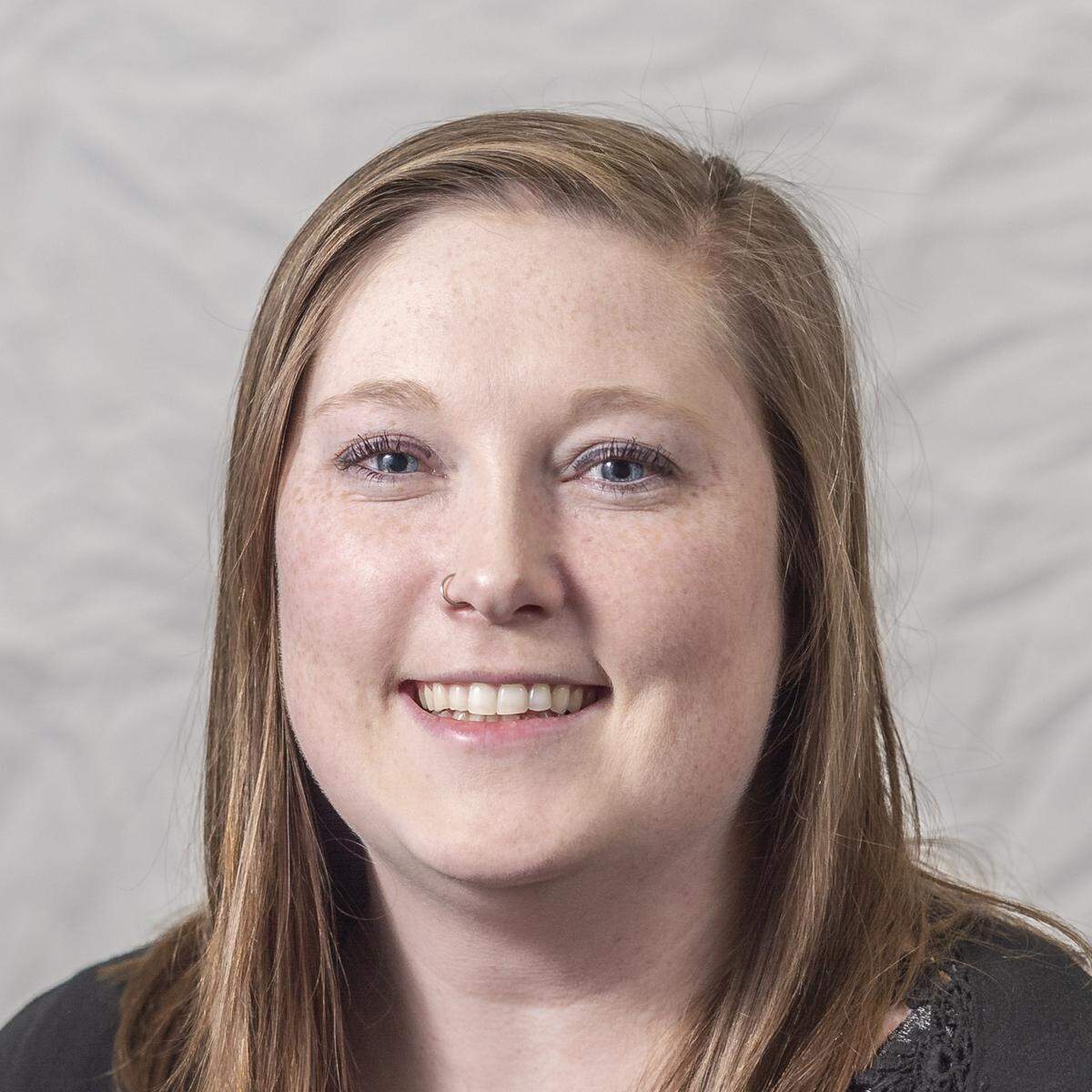
Milton soon connected with her brother, who is a filmmaker in Los Angeles, and her cousin, Remy Styrk, who is a Black, transgender New York-New Jersey-based filmmaker, musician and artist. Milton also got Whatcom County residents Kristina Michele Martens and Terrance “TeeJay” Morris involved in the project. Martens made history with Edwin “Skip” Williams as one of the first two Black members of the Bellingham City Council. Morris, who is an associate director in the Adolescent Service Department at Northwest Youth Services, was one of the lead organizers of the Solidarity Rally held in June 2020 at Maritime Heritage Park that drew roughly 5,000 people.
The video starts with nine Whatcom County students, ages 5 through 18, reading General Order Number 3 in locations across the county. It then moves into interviews with six Black community leaders discussing the significance of Juneteenth and how they celebrate it.
“This last group of African Americans discovered they had freedom, they had the potential to be paid for their work, be valued as people as opposed to being chattel, and basically being used like machines to create output,” Andrew Welch, Ferndale Chamber of Commerce’s program and events manager, says in the film.
“We do celebrate, we do talk about it,” Dr. Sislena Grocer Ledbetter, the associate vice president for Counseling Health and Wellbeing at Western Washington University, says in the film. “It’s a fun time and it’s a celebration and steeped in culture.”
In an interview with The Bellingham Herald, Milton said the film is an educational tool to be used across Whatcom County school districts. She said she reached out to all the county school districts in the hopes of getting the film shown before the students were released for summer break. Both the Ferndale and Mount Baker school districts signed on to show the film, Milton said.
Milton said within six weeks, the video project organizers were able to raise $10,000 from community organizations and sponsors, including Ferndale Community Services, Connect Ferndale, the Whatcom County Health Department, the Whatcom County Executive’s Office, city of Ferndale, Superfeet, Hampton Inn, Ferndale Chamber of Commerce, Chuckanut Health Foundation and the Whatcom Racial Equity Commission, Whatcom Human Rights Task Force, Whatcom CARE (Coalition for Anti-Racist Education), Washington Education Association, Ferndale Education Association and the Whatcom County Library System.
Because Whatcom County declared racism a public health crisis in November 2020, sponsors were allowed to provide a financial contribution without it being deemed as a gift of public funds, Milton said. The money raised went toward paying people involved in the project for their work, she said.
“One of the things that I’m keenly aware of in my whiteness, and in my privilege, is that the burden of educating white folks should not unduly be on the backs of people of color without being compensated. We need to make sure we compensate our folks who are working on this project with us — and making sure that it’s not just a token, but it’s meaningful,” Milton said.
Milton said the video invites people to learn more about Juneteenth and to honor and celebrate the holiday.
“This is to mark Black liberation. And even though we may be far from achieving full liberation for the Black lived experience in the United States, it’s a step forward together. I think that this is a welcoming and positive piece — it’s educational, in that you are learning about the Black lived experience,” Milton said. “It is an invitation to have a deeper conversation. It is an invitation for us to think about what belonging means, and how are we welcoming and inclusive? It’s one thing to be invited to the party. It’s another thing to be invited to dance at that party.”
Milton said the project shows that the Whatcom County community is willing to show up for diversity, equity and inclusion.
“The reality is we don’t have a ton of Black people that live in Whatcom. County, that is the reality. However, those Black people that do live here should feel welcome. They should feel part of our community and we need to do a better job at demonstrating that,” Milton said. “It’s important to see people who look like you. … It’s important to lift those experiences up so that more of our community and students can see that we need to not be appeared as so homogeneous because we are rich in culture and rich in the opportunities to learn from each other — and this is one way to show it.”
Opening the door
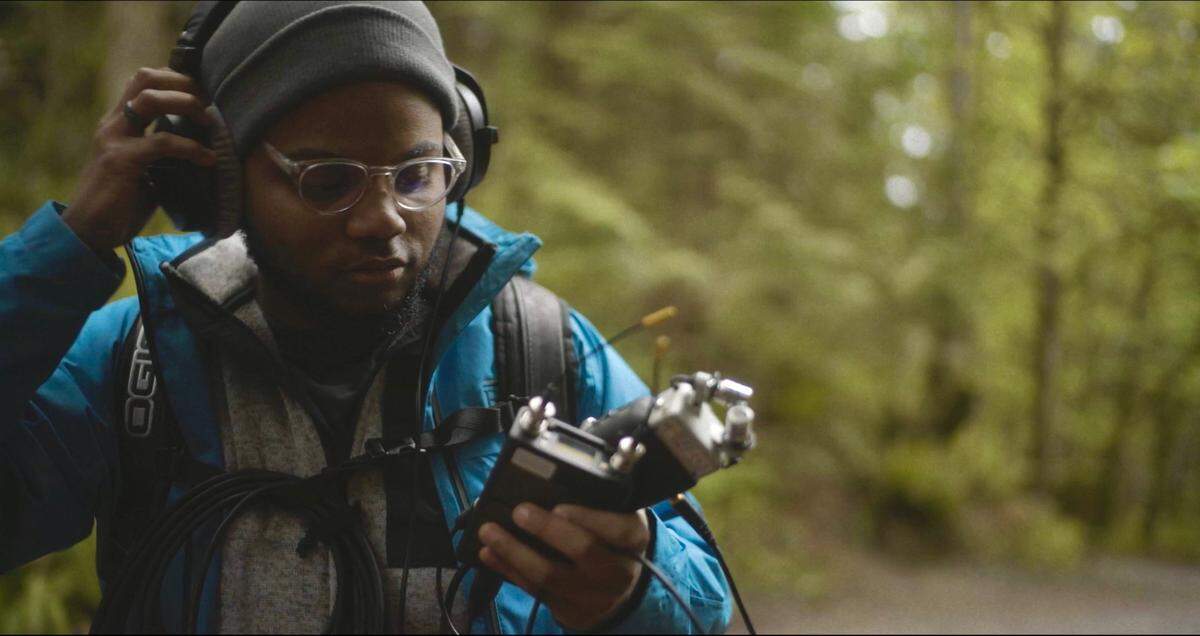
The first thing he had to do while directing and editing the video was establish trust and communication between everyone and recognize they were there to honor one another, Styrk, the film’s Black director and editor, said in an interview with The Herald.
Styrk, who is 23, said he wanted to be as truthful as possible to the participants’ stories, but wanted to bring his own vision to the project, which included starting the video with a reading of General Order Number 3.
In order to avoid retraumatizing the video’s participants, Styrk said he went into filming the interviews with no expectations and just met people where they were. Knowing the gravity and issue of the topic, Styrk said he wanted to be honest every step of the way with the project and participants’ experiences.
“So the video went from a couple ideas on paper to we are all now just like a family. Like we all have soul ties to each other,” he said.
Styrk said he views the project as pieces of a puzzle, and that it wasn’t until the day after filming wrapped that his own puzzle was completed. He said he didn’t think about how the video or the participants’ stories may personally affect him until after the project was finished. When he took a step back, Styrk said he felt drained and saw the full picture and the trauma.
It took him about a week and a half to direct and edit the video, he said.
“I think for all Black people, we all share the same weight. It’s just that weight sort of presents in different ways. … It made me think about where I’m at and where I’ve been,” Styrk said. “Here are people that are so close to trauma, and have been through so much yet, I just had a conversation with them. Like they are here alive talking with me. And it was sort of reaffirming of just, I can go through so much, but I’m still here. Like there’s still people out there that I can connect with, people that don’t know my story and probably see a little bit of themselves in me. So it kind of, it broke me, but it allowed me to begin putting myself back together the way I’ve been trying to.”
Styrk said he hopes people see the video as a first step toward dismantling racist structures and mindsets. If Black people are afraid to leave their homes or exist in the world, then that’s not freedom or liberation, he said.
“Until you see someone you know telling their story for what it really is, I don’t think that mindset is going to change. So my biggest hope is that when people in Whatcom County watch this and they recognize somebody on screen, they take a moment for themselves and say, ‘Hey, what I know is not accurate, like I have unlearning and learning to do.’ And this is only the beginning,” Styrk said.
Racism affects every Black person whether they talk about it or not, Styrk said, and the first step to change is understanding how far and deep that racism goes. He said he hopes the film will allow for more conversations and space to be created.
Because many school systems are catered to white life and the white experience, having the film as an educational tool to be used and taught in school districts is a step toward educating people about racism, how it’s a public health issue and how it affects people of color in America, he said.
Styrk said he hopes white people who see the film can remove themselves from the spotlight and start to fix the issue of racism. He said he’s not looking for an apology, but for white people to show up and take accountability. Styrk said white people can provide money for opportunities, scholarships and other funding for young, Black kids as a way to show up after viewing the film. Rather than give that money to large corporations, people can start small and donate locally, Styrk said.
For Black people and other people of color, Styrk wants the film to convey “that they are seen and heard and supported and being fought for.”
“They know their life matters. And it’s one thing to say Black lives matter, but it’s a whole other level to show that they matter,” Styrk said.
Local events
People can watch the film on Connect Ferndale’s Youtube channel, or can attend the premiere 6-8 p.m. Thursday, June 16, at The Happy Place, 1215 Cornwall Ave. Reservations are required to attend the premiere and can be made online.
Bellingham Unity Committee, which organizes events, celebrations and programs in Whatcom County honoring Black history, is hosting a Juneteenth Celebration 2-6 p.m. Saturday, June 18, at Maritime Heritage Park at 500 W. Holly St. in downtown Bellingham.
This is the fourth year that Bellingham Unity Committee has hosted a Juneteenth Celebration, and it will have live funk, soul, R&B, reggae music, dance performances, community step, art wall and local organizations tabling.
The event is free and open to the public and there will be American Sign Language interpretation. The park is wheelchair accessible and planning committee members are available for accommodation requests.
This story was originally published June 14, 2022 at 11:55 AM.