First confirmed case of bird flu reported in Whatcom County. What to watch for
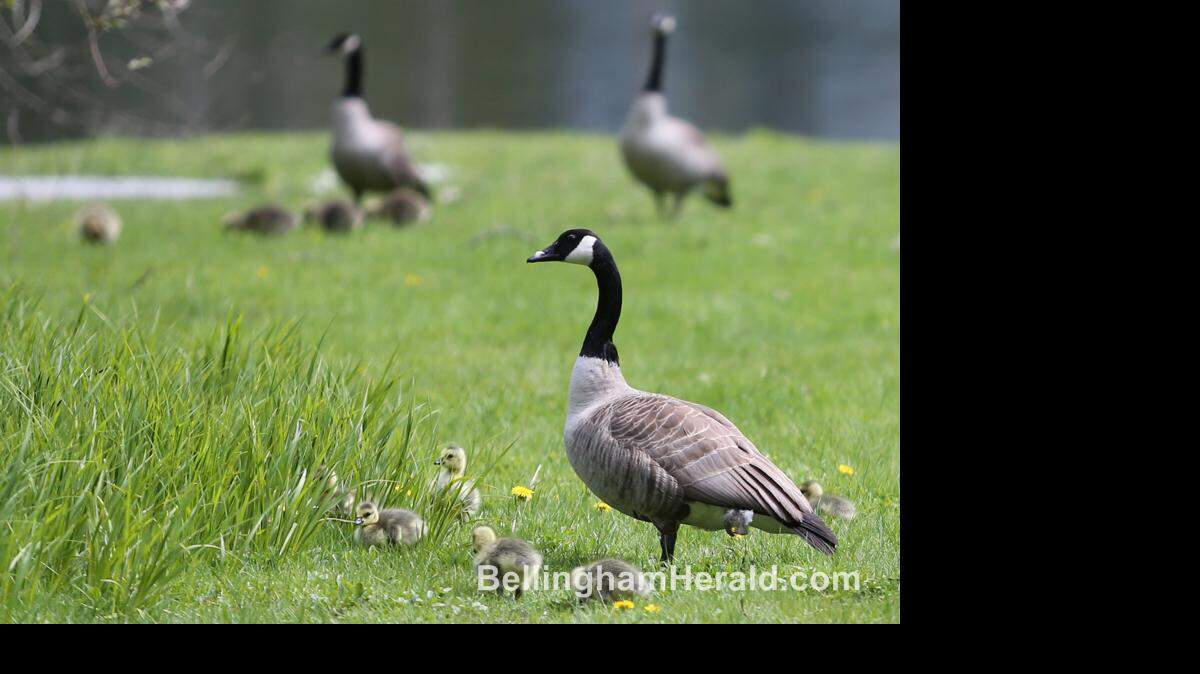
Whatcom County is one of five counties in Washington state where the highly pathogenic avian influenza has been confirmed, as a wild Canada goose in the area has tested positive for the bird flu.
With cases beginning to pile up, Washington State Department of Agriculture veterinarians called for bird owners to increase measures to keep their flocks safe in a release Wednesday, April 11.
The Department of Agriculture said there is no public health concern from the increase in bird flu cases, but meat from wild game and poultry birds, as always, should be properly cooked before being eaten.
“Although avian (bird) influenza (flu) A viruses usually do not infect people, there have been some rare cases of human infection with these viruses,” according to the CDC website.
According to Wednesday’s release, the H5N1 virus was confirmed in two non-commercial backyard flocks in Pierce County on Tuesday, April 10, after those flock owners contacted the Department of Agriculture’s sick bird hotline to report an unusual number of sudden deaths in their flocks.
The two flocks including a mixture of turkeys, chickens, peacocks, ducks and other waterfowl, and the state veterinarian has since quarantined the area and any remaining birds in those flocks with be euthanized, according to the release.
Additionally, the Department of Agriculture reported that two wild birds, including the Canada goose in Whatcom County and a bald eagle in Stevens County, had confirmed cases of the bird flu, according to the release, which added there are eight more wild bird cases still being investigated across the state.
“With so many suspicious cases in wild birds pending investigation, I can’t emphasize enough how important it is to avoid exposing your flock to wild waterfowl and shorebirds,” State Veterinarian Dr. Amber Itle said in the release. “Call us if you suspect your own birds are sick and report sick wild birds to the Washington State Department of Fish and Wildlife.”
The first confirmed cases of bird flu was announced May 5 after it was detected in a backyard flock in Pacific County. Since then, the Department of Agriculture reported it has received nearly two dozen calls on its sick bird hotline.
A second backyard flock tested positive over the weekend in Spokane County.
Unusual deaths or illness among domestic birds should be reported to the Department of Agriculture’s Avian Health Program at 800-606-3056. The Washington State Department of Fish and Wildlife also has an online reporting tool.
The bird flu can be transferred from wild birds to domestic birds through direct contact, fecal contamination, air transmission, environmental contamination and shared water services, according to the release. It can also spread from farm to farm, and birds can be infected and not show signs of the disease.
Itle advised flock owners to:
▪ Prevent contact between their birds and wild birds by eliminating access to ponds and standing water on their property.
▪ Keep different domestic species, such as ducks and geese separate from chickens and turkeys.
▪ Limit access to their farms and not share farm tools or equipment.
▪ Not share or sell eggs from backyard flocks.
“Avian influenza is here,” Itle said in the release. “Whether it has been confirmed in your county yet or not, you should be taking steps to protect your birds and prevent the spread of this virus which could wipe out your flock.”