Whatcom master gardeners have these plans for Hovander after the flood
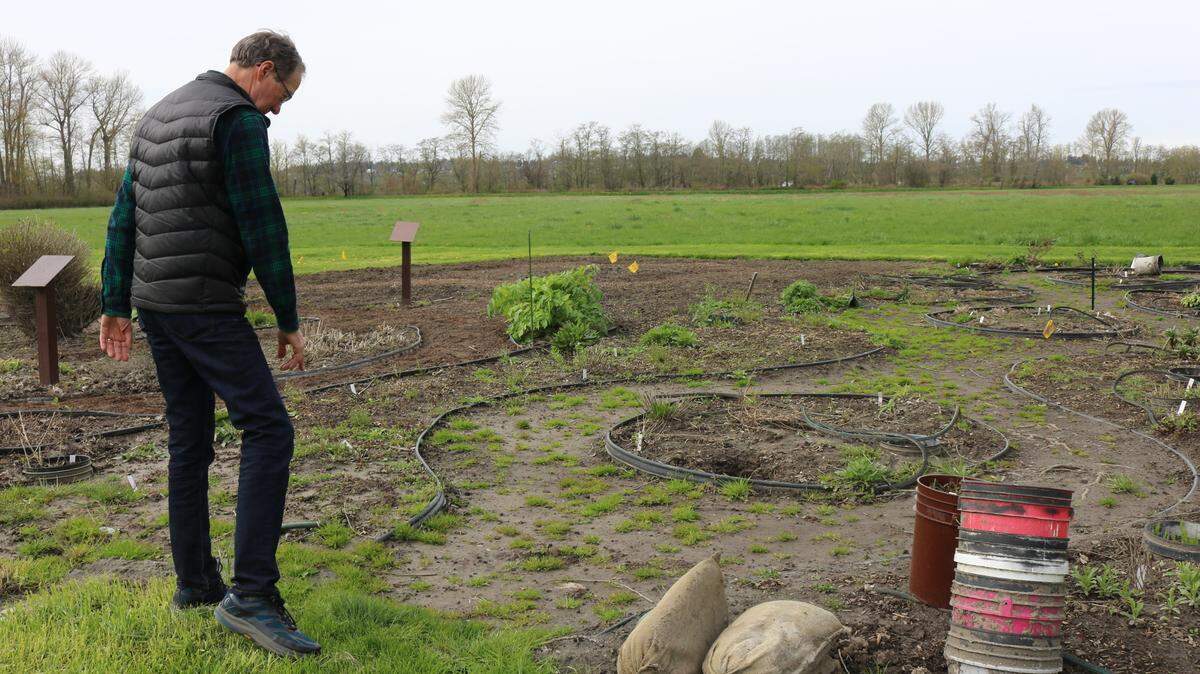
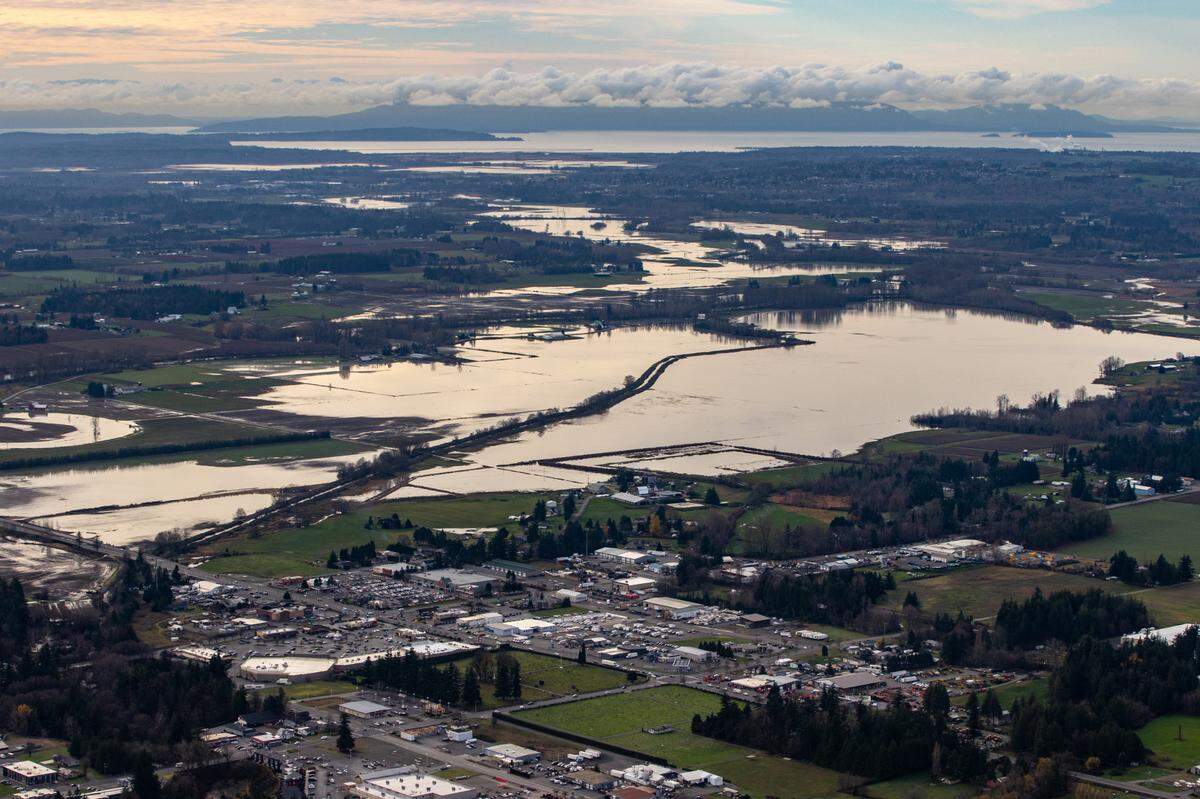
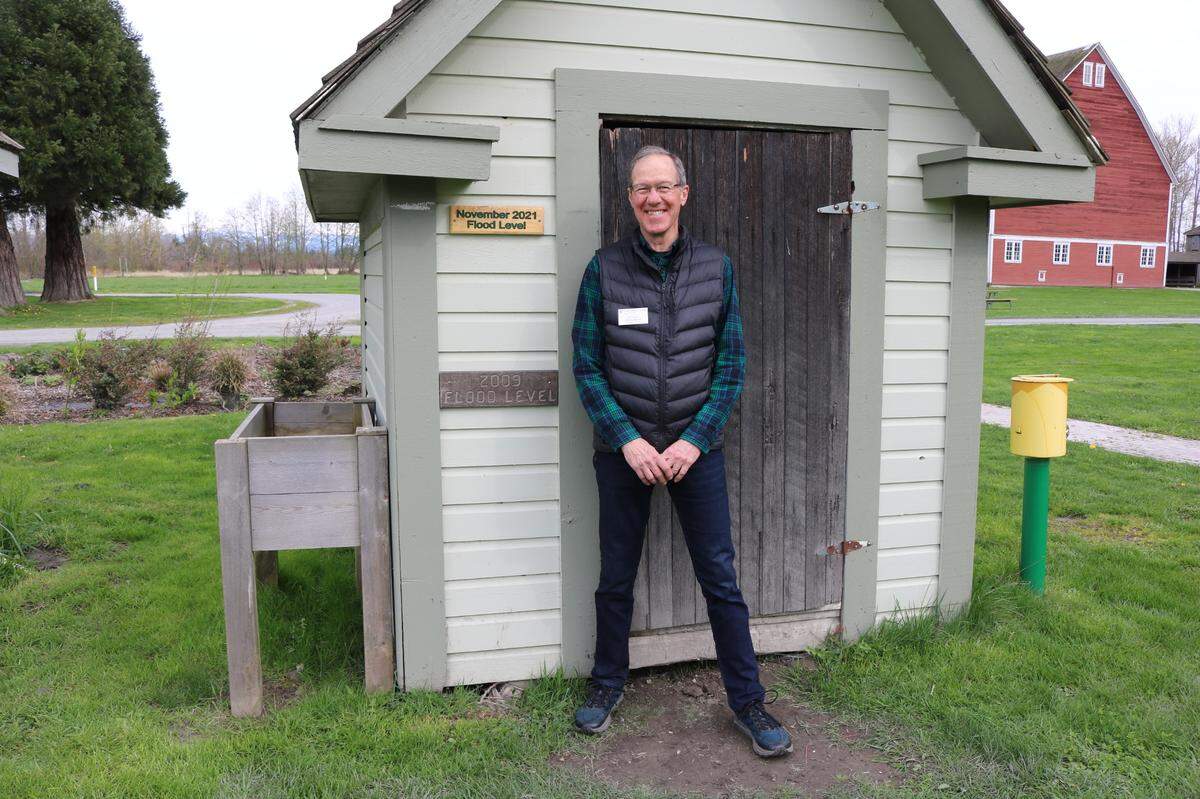
After Whatcom County was hit with historic flooding last fall, a local group of experienced gardeners considered closing up shop at their educational demonstration gardens at Hovander Homestead Park in Ferndale. The park was hit with 6 feet of flooding.
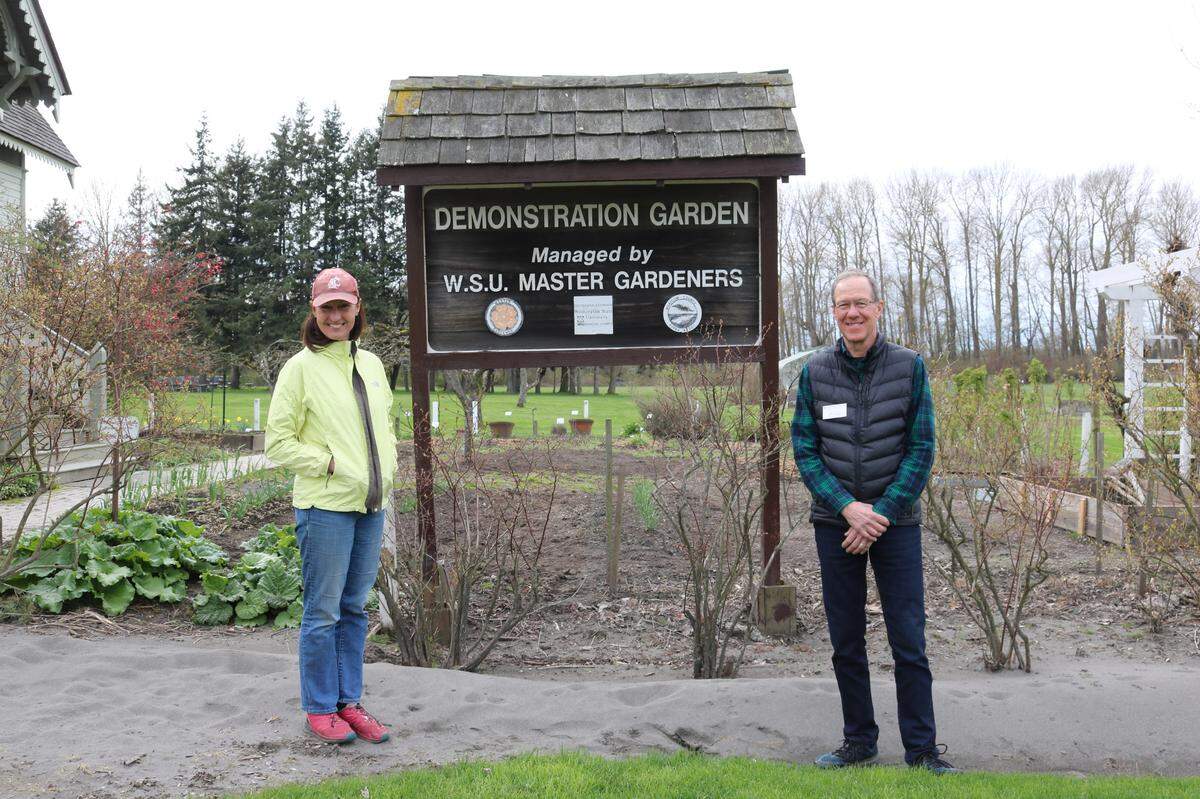
The heating and ventilation systems in the greenhouse were damaged, and some annual plants had washed away. The sheds storing gardening tools were filled with silt, and the floodwaters ripped fences and posts out of the ground — “like some big guy just jerked them up,” said Vic Knox, president of the nonprofit Whatcom Master Gardener Foundation. The program is supported by Washington State University Extension.
“We were in shock at how much it inundated and damaged the demonstration gardens,” said Beth Chisholm, who works for the WSU Whatcom County Extension and supports the Master Gardener Program. “It made us pause and say ‘Does it make sense to keep gardening out there?’”
It’s essentially a given that the gardens will flood again, Chisholm said. The Hovander Demonstration Gardens are in an area designed to flood — it’s better that the river inundates an open space than Ferndale homes and businesses, she said. Human-caused climate change is expected to increase the frequency and severity of floods in the region.
After a number of meetings, the volunteer gardeners decided that they would persist in efforts to operate in the flood-prone area. The program has been caring for the Hovander Demonstration Gardens for more than 30 years, and it seemed “selfish” to pull up stakes and no longer deal with it, Chisholm said. Instead, the group is taking the opportunity to study how changes to planting and garden layout might lessen the impact of future floods.
The group is currently working with a landscape architect to assess flood damage and see if there is a better way to design the gardens. The Hovander Demonstration Gardens include a greenhouse as well as areas dedicated to dahlias, native plants, pollinator plants, herbs and vegetables, weed identification, perennials and children’s stories.
“We need to be the group that helps educate residents of Whatcom and say ‘We are gardening, and climate change is upon us’,” Chisholm said. “We have to find ways to garden with more resiliency, use plants to hold soil in place and use native plants to create flood resiliency.”
Here are Chisholm’s tips for creating a flood-resilient garden:
Choose plants wisely. While much of the gardens’ man-made infrastructure was damaged by the flooding, most of the plants native to our region survived, Chisholm said. Native plants are those that have developed over hundreds or thousands of years in a particular region or ecosystem, according to the U.S. Department of Agriculture. Gardening with these plants is a good way to foster flood resiliency by “working with nature rather than against it,” Chisholm said. Wise planting choices not only help your garden withstand winter flooding but can also fortify it against summer drought.
“A lot of times, we see gardeners try to manipulate their landscape into something it’s not,” Chisholm said. “They throw so much money into it. They use drip irrigation when they could just use plants that don’t need that much water.”
She points local gardeners to WSU’s online NorthWest Plants Database. The WSU Whatcom County Extension also offers “Gardening Green” courses for community members interested in sustainable gardening practices, allowing them to use less water and little to no fertilizer or pesticides.
“Choosing the right plant will solve half your gardening problems,” Chisholm said.
Mimic forests and prevent soil erosion. Trees soak up a lot of water, Chisholm said, and dense plantings and mulch prevent intense rain from beating down the soil as much. These gardening practices could also help limit the damage done to your property in future floods, Chisholm said.
“When it comes to floodwaters, you can’t protect your home with plants, but you can definitely make it a little more safe,” she said. “Then when you step out after a flood event or big rain event, things won’t be as eroded away.”
Try a hedgerow. The Whatcom Master Gardeners plan on planting more hedgerows to protect gardens from future flooding. These plants, such as willows and Red Flowering Currant, can create a natural barrier to protect areas from sediment in floodwaters as well as strong winds. Plus, they create habitat for wildlife, Chisholm said.
“Those hedgerow plants that are really well-rooted can slow down the movement of sediment in floodwater and protect what’s on the other side,” Chisholm said.
Hovander Homestead Park is currently still closed to the public for flood clean-up but is anticipated to reopen on Friday, May 6, according to the Whatcom Master Gardener Foundation website. The foundation will host its first in-person plant sale at the park in three years 9 a.m. to 2 p.m. on Saturday, May 7. The event is a fundraiser to support the WSU Whatcom Master Gardener Program.
This story was originally published April 12, 2022 at 5:00 AM.