Have an unwanted tree seedling in your yard? Whatcom nonprofit asks you don’t pull it out
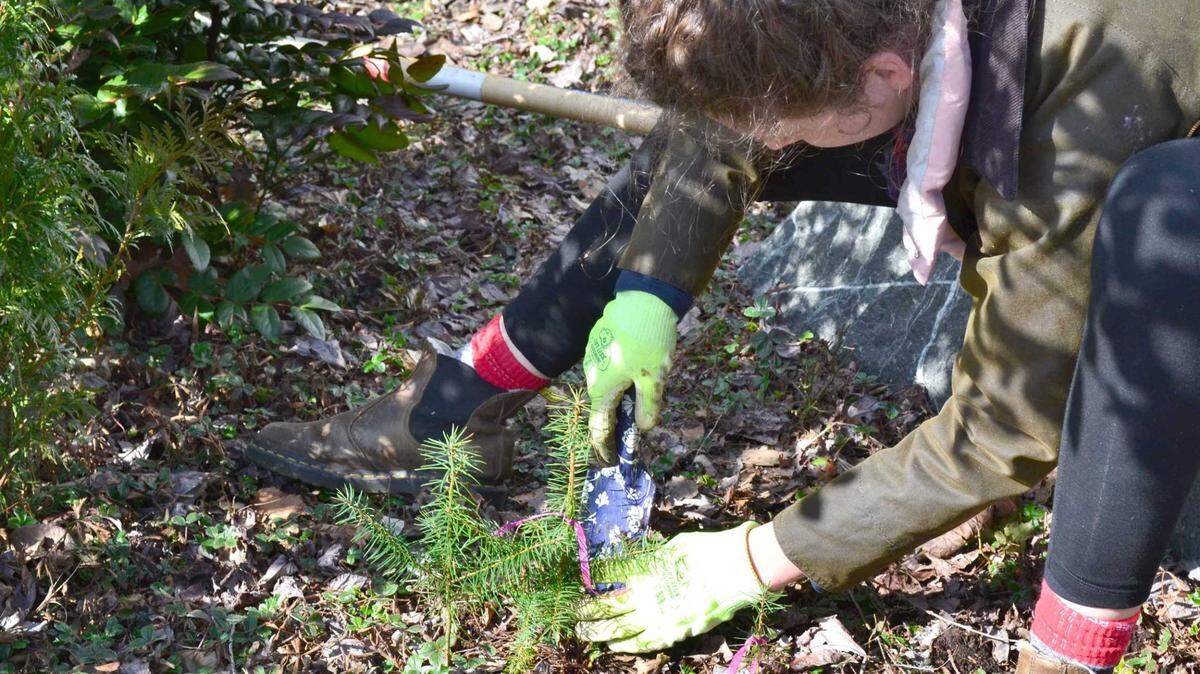
A Whatcom nonprofit is asking you to reconsider pulling out that unwanted tree seedling in your yard.
Instead, the Whatcom Million Trees Project — which has set a goal to plant and protect a million trees in the county between 2022 and 2026 — wants to rescue unwanted seedlings from yards, logging sites and parcels slated for development and rehome them in locations where they can grow old.
The Tree Seedling Rescue Project, inspired by a similar initiative in Amsterdam called More Trees Now, is in its pilot phase but could save the nonprofit money on seedlings needed to meet its million-trees goal. (Each seedling costs $1 when bought in bulk, said Michael Feerer, executive director of the recently founded nonprofit.)
The project also allows community members to get involved in environmental action without signing up for an hourslong work party, Feerer said.
“This is not just an economic question,” Feerer said. “This is an engagement piece and a way people can be involved with climate change from their own yard.”
Trees provide a plethora of environmental and societal benefits. They keep neighborhoods cooler during hot weather and can improve air and water quality. Trees also can help combat climate change by sucking planet-warming carbon emissions out of the atmosphere (although some scientists have pointed out that tree-planting is not a substitute for decreasing emissions from burning fossil fuels.)
Tree Seedling Rescue Project
Here’s how the Tree Seedling Rescue Project works:
▪ Residents can reach out to the nonprofit if they have unwanted seedlings on their property — the seedlings must be conifers less than 3 feet tall.
▪ During the fall and winter months, when the weather is cold and the seedling’s roots are dormant, volunteers will carefully dig the young trees out of the ground.
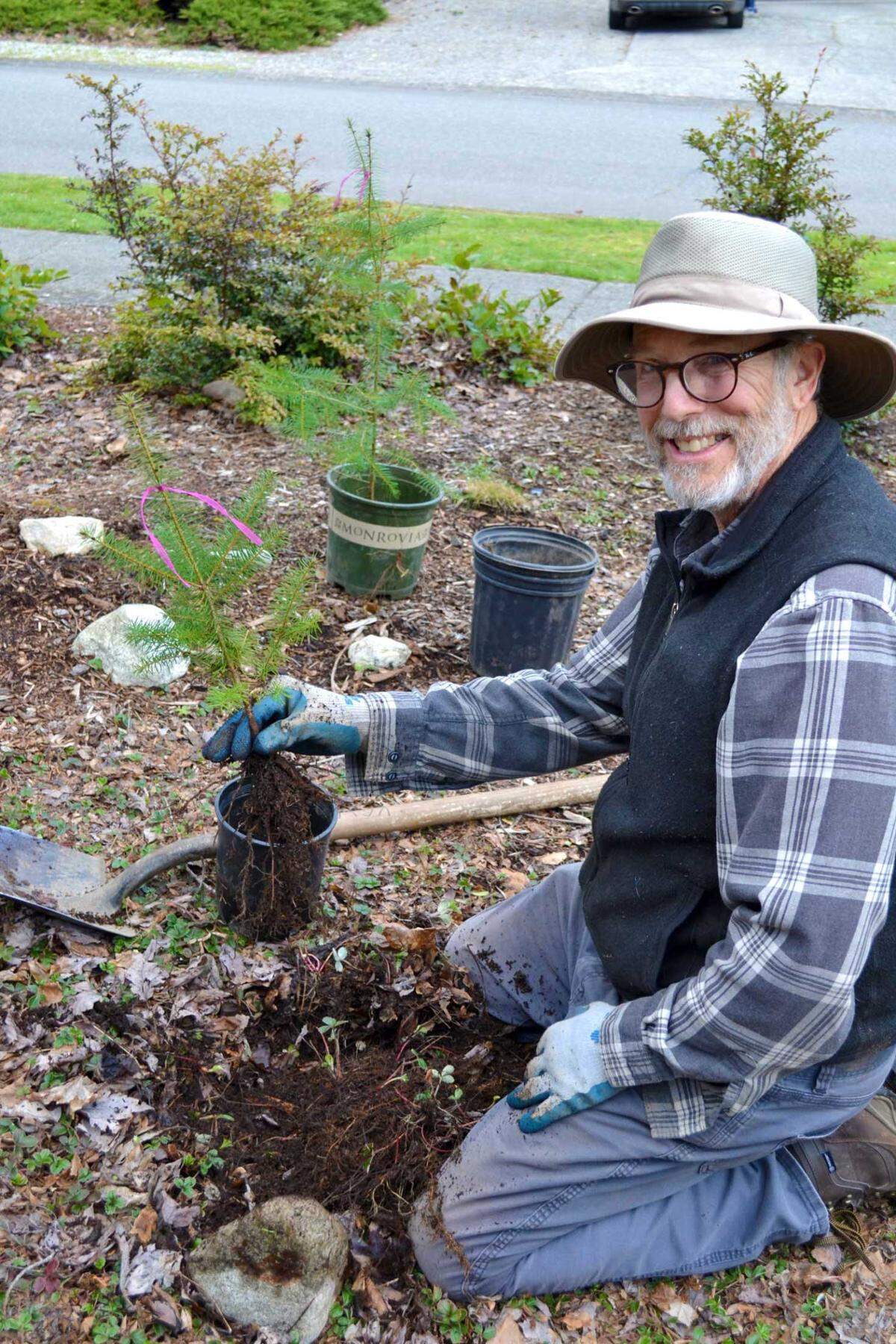
▪ The nonprofit will then use a process called “heeling in” to store the bare-root seedlings until they are ready to be replanted.
▪ If the nonprofit rescues enough seedlings, they may be offered to community members for free or at a very low cost to help bolster neighborhood tree canopy, Feerer said.
The Whatcom Million Trees Project plans to ramp up the seedling rescue project around November, when the dormant season begins again, but it was able to squeeze in its first rescue about a month ago. Volunteers harvested 25 unwanted seedlings from the home of Bellingham resident Dorene Gould.
“The area of my garden that’s mulched and nourishing native plants also provides good soil for tree seedlings to sprout,” Gould wrote in an email to The Bellingham Herald. “I don’t have space to allow all of them to grow to maturity.”
These seedlings will be used in planting projects at Cordata Park and Woodstock Farm, Feerer said. Community members interested in donating seedlings should reach out to the nonprofit through the contact form on its website, www.whatcommilliontrees.org.
Seedlings could also be saved from sites slated for development or logging, Feerer said. He is currently reaching out to timber companies and local government staff in an effort to coordinate this work.
‘Improves our odds’
Eric Johnston, director of Bellingham’s Public Works department, said he briefly heard from Feerer about the project and no decisions have been made regarding the seedling rescue project. However, he said that “the city is very supportive of finding ways to preserve, protect and enhance urban forestry.”
Johnston pointed to the city’s Urban Forestry Management Plan currently under development — the document will create a “strategic plan” to maintain a “healthy and desirable” urban forest in Bellingham.
Feerer said that rehomed seedlings should thrive as well as those purchased from a nursery, if planting is done properly. The Dutch foundation that launched a similar program in 2020 reported an 80% survival rate for its seedlings, which the organization’s campaign manager Hanneke van Ormondt said “is as good as regular forest planting,” according to an article in The Guardian.
The Tree Seedling Rescue Project goes hand in hand with another one of the nonprofit’s recently launched projects, called the Tree Seedling Growers Network. This project enlists Whatcom residents to grow native conifer seedlings at home or school — whether it be in a milk jug on a window sill, a large pot on the deck or a garden bed.
The Whatcom Million Trees Project will provide free native tree seeds, instructions and email support as needed. Once the seedlings are around two years old, the nonprofit will collect them for planting projects and fundraising. (Feerer said participating community members are more than welcome to keep a few trees for themselves.)
Interested community members can fill out a form on the nonprofit’s website or email growers@whatcommilliontrees.org. They should receive materials in the mail about a week later.
“It really improves our odds of approaching the million trees as soon as possible,” Feerer said. “This is a way to get tree seedlings more diffused into the community.”
This story was originally published March 30, 2022 at 5:00 AM.
CORRECTION: Jim Smith is the planting coordinator for the Whatcom Million Trees Project. A photo caption, in which he was misidentified, was corrected March 30, 2022.