This Whatcom resident wants to eliminate wheelbarrows on farms. Here’s why
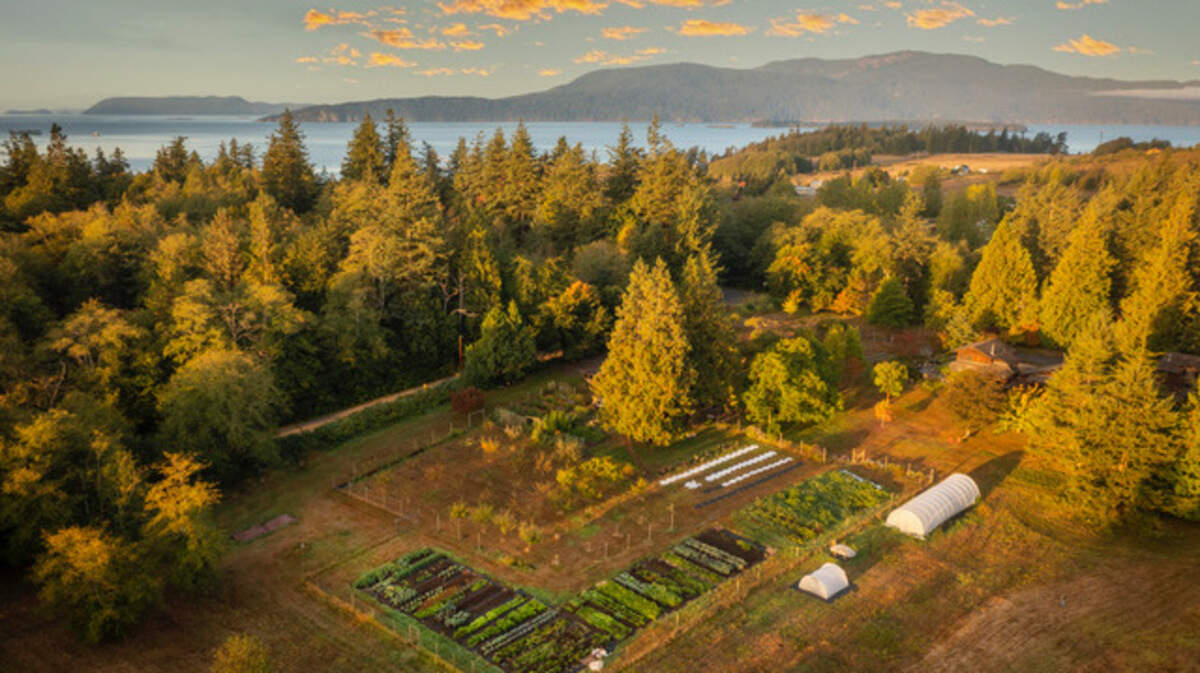
Roger Kubalek enjoys working hard on Full Bloom Farm, an idyllic, family-run operation that covers 12 acres on Lummi Island. That’s part of the joy of small-scale farming after all – a bounty of produce, flowers and eggs are made even sweeter by hours toiling in the fields.
But it’s grueling to tend to a small farm that lacks the mechanization of industrial agriculture, he said.
It is a daily ritual of hauling literal tons of material across the property in wheelbarrows or choking on clouds of pollution from a diesel-powered tractor that idles in the field as he and his family-in-law harvest vegetables or spread compost. Many days end in minor back injuries and a sense of exhaustion, as Kubalek balances his full-time corporate job on top of farming.
Kubalek couldn’t accept that this was the best way to run a farm. He considered a small tractor, but it cost too much and was unnecessarily powerful for a small operation’s needs.
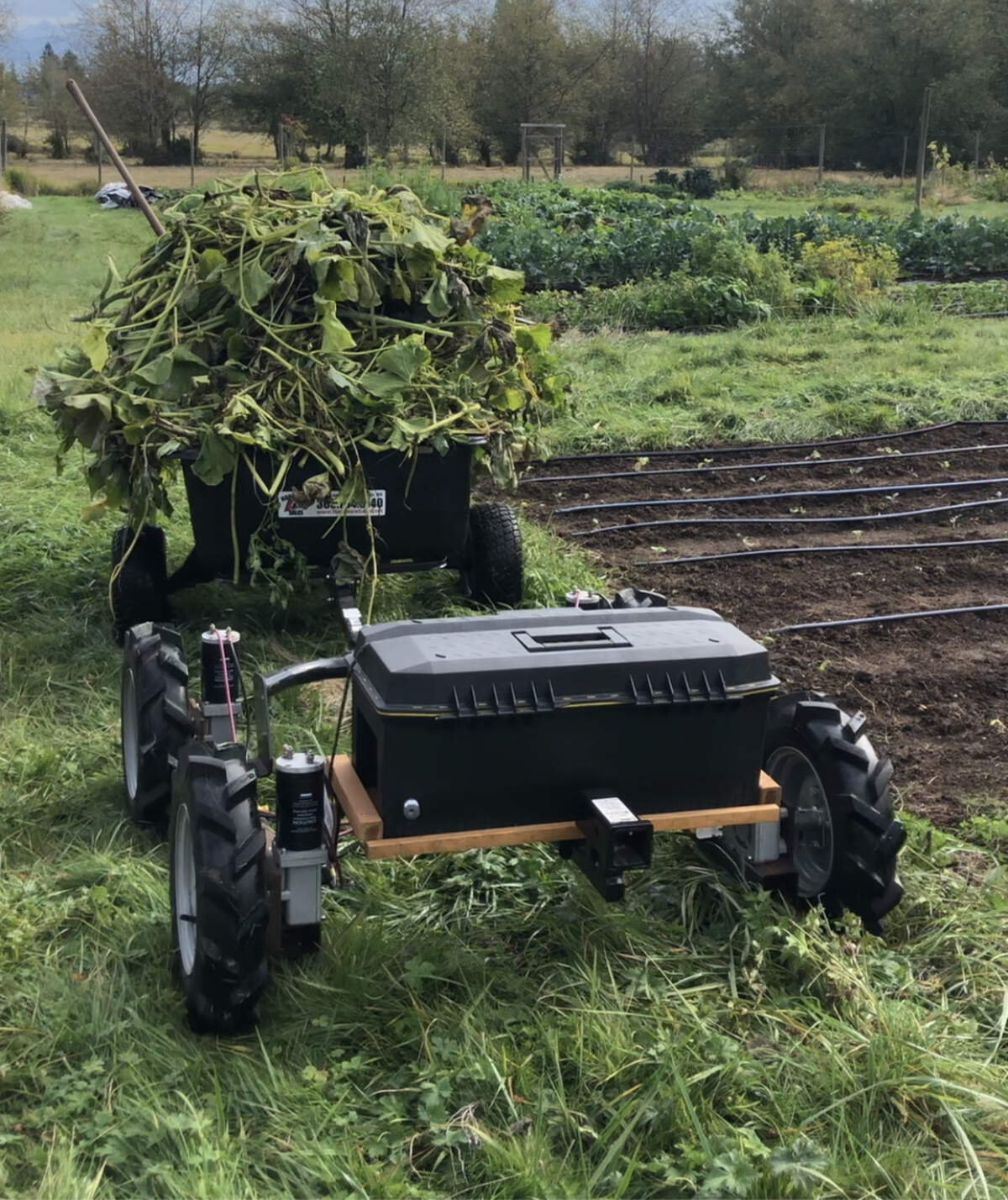
That’s why in 2019 he began engineering the TerraTug, a four-wheel-drive contraption that is remote-control operated, can haul more than four times the volume of a wheelbarrow and runs on electricity, meaning it doesn’t directly burn planet-warming fossil fuels or pump air pollution out into the field. Attachments allow the TerraTug to plant, cultivate soil and weed rows of crops.
“I see it as the Swiss Army knife of farm tools,” said Kubalek, who has only been small-scale farming for about four years but recently earned a master’s degree in agriculture and grew up in a farming community. “It probably won’t replace the full-size tractor in every sense, but you’d be surprised at how much it can do.”
Smaller farms are a valuable asset to our communities, environment and economy, he said: They offer a local source of healthy produce, a particularly important function during a pandemic that has wrought supply-chain disruptions. Small farms can be more productive than larger farms and foster regenerative agriculture practices, he said.
The TerraTug could be available for commercial purchase as soon as 2023, Kubalek said, although he’s still seeking collaborators and wants a few sales under his belt before seeking investors. Kubalek builds the machines himself and is hoping to add solar panels to the invention to help generate its power. He also wants to make the machine semi-autonomous, allowing it to navigate simple terrains without human operation or a remote control.
“What I’d like to see is all the wheelbarrows thrown off farms and replaced with TerraTugs,” Kubalek said in a short online presentation about his idea.
Kubalek was one of 10 local entrepreneurs who participated in a program run last year by Bellingham-based nonprofit NW Innovation Resource Center. The 10-week program was focused on supporting innovations in clean tech and blue tech, which improve sustainability practices in the environmental and maritime spaces, respectively.
When we think of sustainability innovations, our minds often jump to big projects such as the development of hydrogen fuel to replace planet-warming fossil fuels, said Diane Kamionka, executive director of NW Innovation Resource Center. But local, small-scale ideas should not be discounted as insignificant, she said — they can move the needle on climate change or pollution, while improving life in local communities.
“All these small things add up,” Kamionka said. “They all create an awareness.”
The nonprofit is planning to run the program again this fall.
Kubalek pushed back on the assumption that agriculture is stuck in traditional methods and doesn’t foster innovation. Farming is one of the most challenging endeavors a person can undertake, he said, requiring shrewd business skills, a strong grasp on weather systems and mechanical expertise to fix equipment gone awry.
“A person should try to walk in a farmer’s shoes for a couple weeks before saying it’s a simple business without the need for technology,” he said.
You’ll likely catch a glimpse of the TerraTug sitting out in the field if you make a visit to Full Bloom Farm, which offers a seasonal farmstand between April and December and a vacation rental unit on the property.
This story was originally published February 23, 2022 at 5:00 AM.