Washington takes this emergency action to stop thousands of invasive green crabs
Gov. Jay Inslee issued an emergency order to address the explosion of the European green crab population within the Lummi Nation’s Sea Pond and outer coast areas, Wednesday, Jan. 19.
The emergency order creates three primary actions to eradicate the invasive species and prevent permanent establishment, which would particularly harm endangered species, impact resources that are part of the cultural identity of Washington Tribes and Native peoples, and affect small businesses.
Under the order, the Department of Fish and Wildlife will implement emergency measures. The Department of Ecology, the Department of Natural Resources and the State Parks and Recreation Commission will identify European green crab management as a high priority on their respective state-owned aquatic lands and facilitate implementing emergency measures. Finally, the order urges the Legislature to provide additional emergency funding as requested by the Department of Fish and Wildlife as soon as possible.
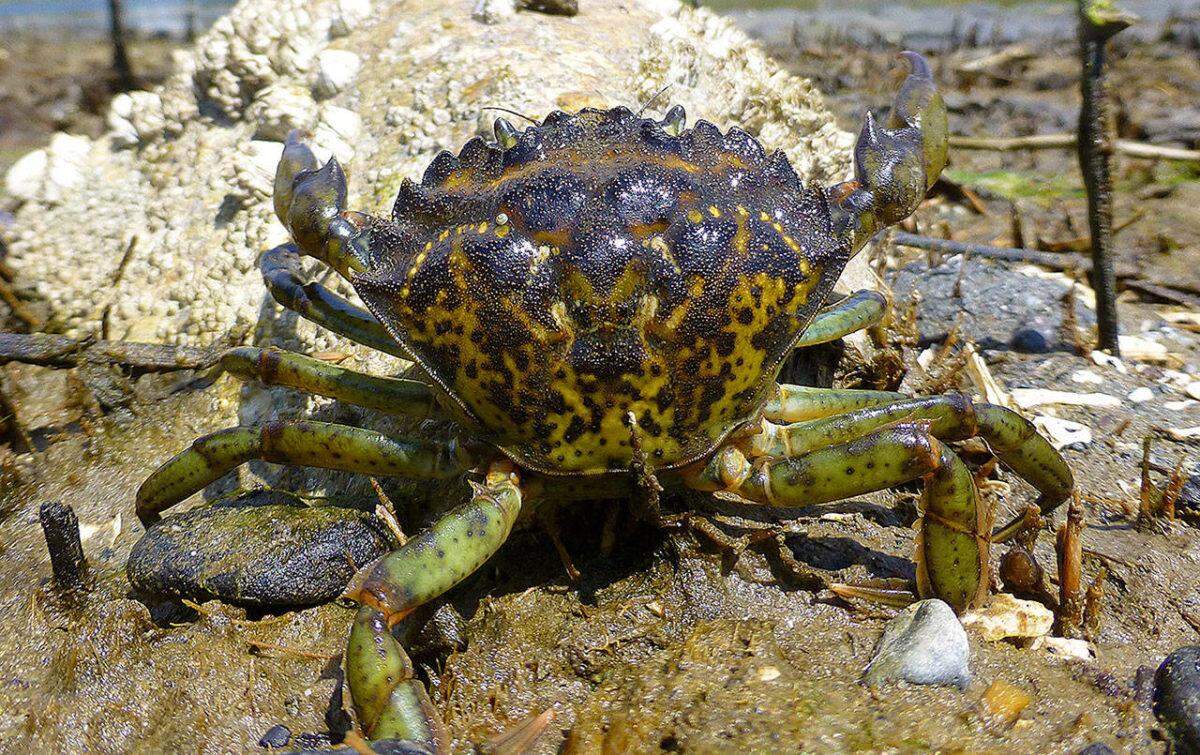
The crab — native to Europe and northern Africa — is a highly adaptable shore crab that preys on juvenile clams before they reach harvestable age, out-competes native crab species such as Dungeness crab, and wreaks havoc on nearshore marine and estuary ecosystems. The species is credited with the rapid decline of Maine’s soft-shell clam industry within the past decade.
In November, The Lummi Indian Business Council passed a resolution declaring a disaster after more than 70,000 European green crab were captured and removed from the Lummi Sea Pond in recent months. The Tribe cultivates shellfish and juvenile salmon in the 750-acre sea pond surrounded by the most productive natural shellfish beds on the reservation. The crabs threaten hatchery operations, Tribal shellfish harvests and may have larger impacts if the infestation spreads.
“The appearance of the European green crab is a serious threat to our treaty fishing rights,” Lummi Nation Chairman William Jones Jr. said in a November news release. “Warming water temperatures due to climate change have only made things worse,” Jones said. “Unless action is taken to contain and reduce the problem, we will see this invasive species spread further into Lummi Bay and neighboring areas of the Salish Sea.”
The order is effective immediately and will remain in effect until rescinded.
BEHIND THE STORY
MOREPlease help support this reporting
Natasha Brennan covers Washington state tribes’ impact on our local communities, environment and politics, as well as traditions, culture and equity issues, for McClatchy media companies in Bellingham, Olympia, Tacoma and Tri-Cities.
She joins us in partnership with Report for America, which pays a portion of reporters’ salaries. You can help support this reporting at bellinghamherald.com/donate. Donations are tax-deductible through Journalism Funding Partners.
You can sign up for her weekly newsletter here.
This story was originally published January 19, 2022 at 1:57 PM with the headline "Washington takes this emergency action to stop thousands of invasive green crabs."